
Introduction
PPR, or Polypropylene Random Copolymer, water pipe fittings have revolutionized the plumbing industry. They offer a durable, cost-effective, and reliable solution for residential and commercial water systems. As we delve into this guide, we’ll explore the basics of PPR pipe fittings, their benefits, types, installation tips, and maintenance advice. By the end, you’ll understand why PPR fittings are a top choice for modern plumbing.
Understanding PPR Water Pipe Fittings
PPR pipe fittings are made from a type of polypropylene that exhibits excellent heat resistance and flexibility. Unlike traditional metal fittings, PPR is lightweight and corrosion-resistant. This makes it ideal for a variety of applications, including hot and cold water supply systems, underfloor heating, and irrigation systems.
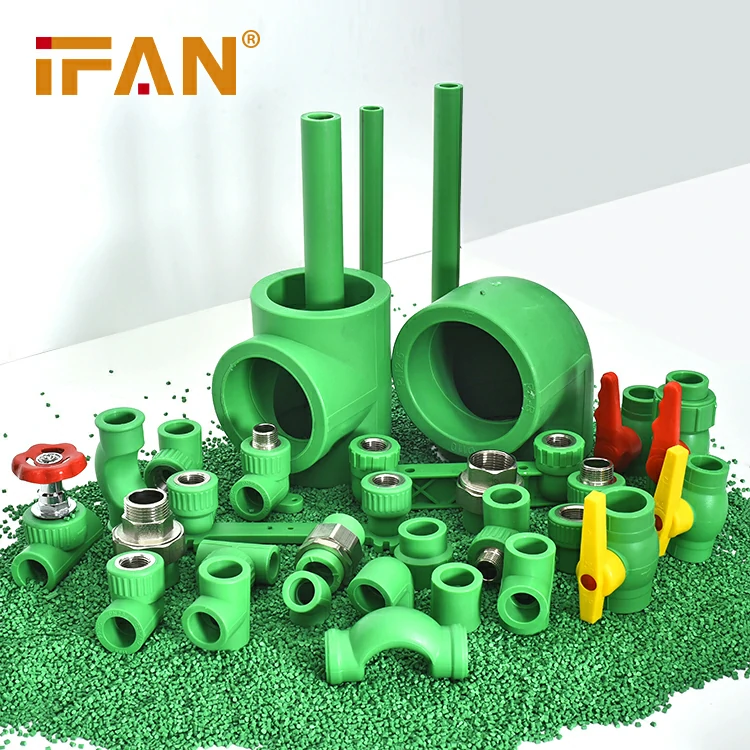
PPR fittings connect pipes through a process called thermal fusion, where the fitting and pipe are heated and pressed together to form a permanent, leak-proof joint. This method ensures a strong, seamless connection that can withstand high pressures and temperatures.
Benefits of Using PPR Water Pipe Fittings
One of the primary benefits of PPR pipe fittings is their durability. The material is resistant to chemicals and can handle a wide range of temperatures, from freezing to hot water applications. This makes PPR an excellent choice for both indoor and outdoor plumbing systems.
Additionally, PPR is lightweight and easy to install, reducing labor costs and installation time. The flexibility of PPR pipes allows for easier routing around obstacles, and the ability to fuse joints means fewer connection points and potential leak sources.
PPR fittings are also cost-effective. The material is less expensive than some other plumbing options, such as copper or stainless steel, and the long-term durability means fewer repairs and replacements.
Types of PPR Water Pipe Fittings
PPR pipe fittings come in a variety of shapes and sizes to accommodate different plumbing needs. Some common types include:
- Straight Couplers: Used to connect two pipes of the same diameter.
- Elbows: Allow pipes to change direction by 90 degrees.
- Tees: Connect three pipes, typically used for branching off a main line.
- Crosses: Connect four pipes at a central point, providing multiple branching options.
- Valves: Control the flow of water through the system, such as stop valves or ball valves.
Each type of fitting serves a specific purpose and is designed to work seamlessly with PPR pipes.
Installing PPR Water Pipe Fittings
Installing PPR pipe fittings involves several steps, including cutting the pipe to the desired length, preparing the fitting and pipe ends, and fusing them together. Here’s a brief overview of the process:
- Measure and Cut: Use a pipe cutter to measure and cut the PPR pipe to the required length.
- Prepare the Ends: Clean and deburr the pipe ends to ensure a smooth fusion.
- Apply Primer: Use a primer to clean the surfaces and help the fusion process.
- Heat the Fitting and Pipe: Use a heat gun or fusion machine to heat the fitting and pipe ends until they are soft and tacky.
- Fuse Together: Press the fitting onto the pipe end and hold until they fuse together.
- Cool and Check: Allow the joint to cool and then check for any imperfections or leaks.
Professional plumbers often use specialized tools and equipment to ensure a perfect fusion, but DIY enthusiasts can also achieve good results with the right guidance and tools.
Maintaining PPR Water Pipe Fittings
Maintaining PPR pipe fittings is relatively straightforward. Regular inspections can help identify potential issues before they become problems. Check for signs of wear, corrosion, or leaks, and address any concerns promptly.
It’s also important to note that PPR pipes and fittings should not be exposed to direct sunlight for extended periods, as this can degrade the material over time. If outdoor installation is necessary, consider using UV-resistant sleeving or burying the pipes underground.
Conclusion
PPR water pipe fittings offer a robust, efficient, and cost-effective solution for modern plumbing systems. With their durability, flexibility, and ease of installation, PPR fittings are a top choice for both residential and commercial applications. By understanding the basics of PPR pipe fittings, their benefits, types, installation, and maintenance, you can make informed decisions about your plumbing needs.
IFAN factory started in 1993. And IFAN has workshop 120000 square meter with 610 staff. IFAN can design and produce all plumbing pipe and fitting include PPR,PVC,CPVC PPSU HDPE PEXA PEXB PERT pipe and fitting ,brass fitting, brass ball valve ,heating system , gas system , sanitary faucets and hose, In the past 30 Years, IFAN has never forgotten his mission-To protect health and safety. And IFAN factory use best materials to produce high quality pipe and fittings with automatic production line and high tech quality control machines. The most important,IFAN can guarantee that all pipes and fittings manufactured by IFAN are qualified. More information pls feel free contact us Whatsapp.