
Introduction
Brass ball valves are integral components in various industries, from residential plumbing to industrial fluid management. Their durability, corrosion resistance, and efficient flow control make them a preferred choice for engineers and technicians worldwide. This article delves into the mechanics, benefits, applications, and maintenance of brass ball valves, providing a comprehensive overview for professionals and enthusiasts alike.
Understanding the Mechanics of Brass Ball Valve
Brass ball valves operate through a simple yet effective mechanism. A spherical ball with a central bore rotates within a brass housing, aligning or misaligning with the flow path to permit or block fluid movement. The valve’s quarter-turn handle facilitates rapid on/off control, a feature critical in emergency shut-off scenarios. This design ensures minimal pressure drop and tight sealing, even under high-pressure conditions.
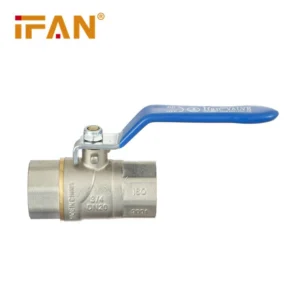
The brass material itself plays a pivotal role. Composed primarily of copper and zinc, brass offers excellent corrosion resistance against water, steam, and mild chemicals. Its malleability allows for precise machining, ensuring tight tolerances and smooth ball rotation. This combination of material and design makes brass ball valves suitable for both low- and high-temperature applications.
Key Advantages of Brass Ball Valves
The benefits of brass ball valves extend beyond their mechanical simplicity. Firstly, their corrosion resistance reduces the risk of leaks and system failures, a critical factor in industries like HVAC and marine engineering. Secondly, the low maintenance requirements—stemming from brass’s inherent durability—translate to cost savings over the valve’s lifespan.
Additionally, brass ball valves excel in energy efficiency. Their full-port design minimizes flow restrictions, allowing fluids to pass through with minimal turbulence. This characteristic is particularly advantageous in applications requiring consistent pressure, such as irrigation systems and chemical processing plants. Lastly, the ease of installation and compatibility with standard piping systems further enhance their appeal.
Applications Across Industries
Brass ball valves find utility in a diverse range of sectors. In residential settings, they are commonly used in water supply lines, gas manifolds, and heating systems. Their ability to withstand varying water qualities makes them ideal for urban and rural environments alike.
Industrial applications are equally vast. The food and beverage industry relies on brass ball valves for hygienic fluid control, thanks to their non-reactive surface and easy-to-clean design. Chemical processing plants utilize them in corrosive environments, while oil and gas facilities deploy brass ball valves in low-pressure pipelines due to their affordability and reliability.
Marine engineering is another notable sector. Brass’s resistance to saltwater corrosion ensures longevity in shipboard plumbing and bilge systems. Even in automotive applications, brass ball valves manage coolant and fuel flows with precision, contributing to vehicle efficiency.
Choosing the Right Brass Ball Valve
Selecting the appropriate brass ball valve requires careful consideration of several factors. Pressure ratings are paramount; valves must match the system’s maximum operating pressure to prevent failure. Temperature tolerance is equally critical, especially in extreme environments like boilers or refrigeration units.
End connections also demand attention. Threaded, welded, or flanged options must align with existing piping configurations. For applications involving abrasive fluids, full-bore or reduced-bore designs may influence wear resistance. Lastly, regulatory compliance—such as NSF standards for drinking water—should guide material selection in sensitive industries.
Installation Best Practices
Proper installation is essential for optimal brass ball valve performance. Begin by verifying compatibility with the system’s pressure, temperature, and fluid type. Use appropriate sealants or gaskets to prevent leaks at threaded connections. When mounting, ensure the valve’s handle is accessible for operation and maintenance.
Orientation matters too. While brass ball valves can function in any position, aligning them with gravity flow can reduce wear on internal components. Finally, conduct a pressure test post-installation to confirm leak-free operation. This step is crucial, especially in critical systems like medical gas lines or fire suppression networks.
Maintenance Tips for Longevity
Routine maintenance prolongs the life of brass ball valves. Periodic inspections should check for leaks, corrosion, or handle stiffness. Lubricating the stem with food-grade grease (in non-potable applications) ensures smooth operation. In harsh environments, consider protective coatings or sacrificial anodes to mitigate corrosion.
For valves in frequent use, annual disassembly and cleaning are advisable. Remove debris from the ball and seat, and inspect O-rings for wear. Replace damaged parts promptly to avoid system downtime. In industries like pharmaceuticals, where cleanliness is paramount, steam sterilization of brass ball valves may be required.
Troubleshooting Common Issues
Despite their reliability, brass ball valves can encounter problems. Leakage often stems from worn seats, damaged O-rings, or improper installation. Tightening connections or replacing seals typically resolves these issues. Stiff handles may indicate debris buildup or corrosion, requiring cleaning or lubrication.
Inconsistent flow could point to a partially closed valve or a misaligned ball. Check the handle position and ensure the bore aligns with the flow path. For valves in corrosive environments, pitting on the brass surface may necessitate replacement. Early detection of such issues prevents costly system failures.
Comparing Brass to Other Materials
Brass ball valves face competition from stainless steel, plastic, and bronze alternatives. Stainless steel offers superior corrosion resistance in aggressive chemicals but at a higher cost. Plastic valves are lightweight and corrosion-free but lack the durability of brass in high-pressure applications.
Bronze, while similar to brass, is often reserved for marine environments due to its dezincification resistance. However, brass’s balance of affordability, strength, and corrosion resistance makes it a versatile choice for most general-purpose applications. Its widespread availability and compatibility with standard fittings further solidify its position in the market.
Future Trends in Brass Ball Valve Technology
Innovations continue to enhance brass ball valve performance. Advances in brass alloys, such as lead-free formulations, address environmental and health concerns. Smart valve designs incorporating sensors and actuators enable remote monitoring and automation, critical in Industry 4.0 applications.
3D printing is also making inroads, allowing for customized valve geometries and reduced lead times. As industries demand greater efficiency and sustainability, brass ball valves are likely to evolve, incorporating eco-friendly materials and energy-saving features.
Conclusion
Brass ball valves remain a cornerstone of fluid control systems, offering reliability, durability, and cost-effectiveness across industries. Their simplicity, coupled with ongoing technological advancements, ensures their relevance in modern applications. By understanding their mechanics, benefits, and maintenance requirements, professionals can harness the full potential of these versatile components.
IFAN factory started in 1993. And IFAN has workshop 120000 square meter with 610 staff. IFAN can design and produce all plumbing pipe and fitting include PPR,PVC,CPVC PPSU HDPE PEXA PEXB PERT pipe and fitting ,brass fitting, brass ball valve ,heating system , gas system , sanitary faucets and hose, In the past 30 Years, IFAN has never forgotten his mission-To protect health and safety. And IFAN factory use best materials to produce high quality pipe and fittings with automatic production line and high tech quality control machines. The most important,IFAN can guarantee that all pipes and fittings manufactured by IFAN are qualified. More information pls feel free contact us Whatsapp.