
Introduction to Brass Fitting Sockets
Brass fitting sockets, also known as coupling sockets or sleeve couplings, are used to join two pipes or fittings of the same or different diameters. Unlike threaded fittings, sockets are often designed for slip-fit or compression connections, making them ideal for quick repairs or installations where soldering or welding is impractical.
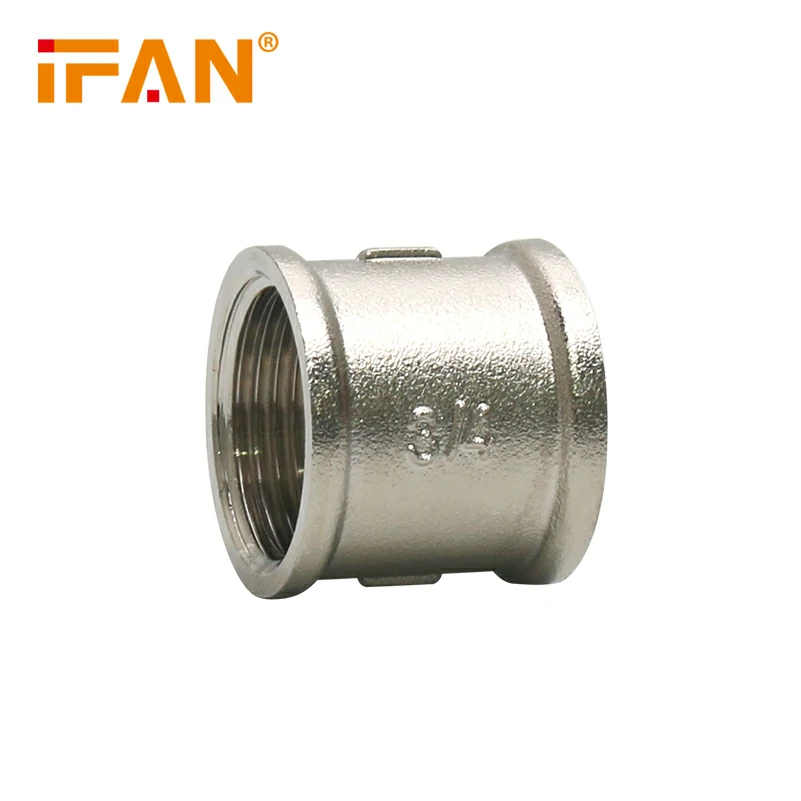
Key Features and Advantages
- Durability: Brass is stronger than plastic and more resistant to impact than fragile materials.
- Corrosion Resistance: Withstands rust and oxidation, making it suitable for moist or chemical-rich environments.
- High Temperature and Pressure Tolerance: Handles temperatures up to 400°F (204°C) and pressures exceeding 1,000 PSI (depending on design).
- Versatility: Works with copper, steel, PVC, and other materials when paired with the right connectors.
- Easy Installation: Requires no threading, soldering, or welding—simply slide pipes into the socket and secure them.
- Reusable: Some compression-style sockets can be disassembled and reused, unlike permanent joints.
- Aesthetic Appeal: Polished brass sockets are often used in visible installations (e.g., decorative plumbing).
3. Types of Brass Fitting Sockets
- Slip-Fit Sockets:
- Designed for pipes of the same diameter.
- Secured with adhesive, solder, or compression rings (depending on the application).
- Reducing Sockets:
- Connect pipes of different diameters (e.g., 1-inch to ½-inch).
- Used in repairs or when transitioning between pipe sizes.
- Compression Sockets:
- Use a compression nut and ferrule to create a leak-proof seal.
- Ideal for temporary or non-permanent connections.
- Push-Fit Sockets:
- Feature O-rings and gripping teeth for tool-free installation.
- Popular in DIY plumbing and quick-repair scenarios.
- Flared Sockets:
- Used with flared pipe ends for high-pressure gas or hydraulic systems.
- Common in automotive and industrial applications.
4. Applications of Brass Fitting Sockets
- Residential Plumbing:
- Repairing broken pipes or extending water supply lines.
- Connecting copper or PEX pipes in hidden or visible installations.
- Commercial and Industrial Systems:
- Joining pipes in HVAC, refrigeration, and compressed air systems.
- Used in chemical processing plants for corrosion-resistant connections.
- Automotive and Marine:
- Connecting fuel lines, brake systems, and hydraulic hoses.
- Resistant to saltwater corrosion in marine applications.
- Gas Distribution:
- Used in natural gas or propane lines for secure, leak-proof joints.
- Irrigation and Agriculture:
- Connecting pipes in outdoor irrigation systems.
- Withstands UV exposure and temperature fluctuations.
5. Installation Process for Brass Fitting Sockets
- Preparation:
- Cut the pipe squarely using a pipe cutter or hacksaw.
- Deburr the pipe end to ensure a smooth fit and prevent leaks.
- Assembly (Slip-Fit):
- Apply flux (if soldering) or adhesive (if using solvent cement) to the pipe and socket.
- Slide the pipe into the socket until it bottoms out.
- Solder (for copper) or let the adhesive cure (for PVC/CPVC).
- Assembly (Compression):
- Slide the compression nut and ferrule onto the pipe.
- Insert the pipe into the socket.
- Tighten the compression nut by hand, then use a wrench for an additional ¼ turn.
- Assembly (Push-Fit):
- Ensure the pipe end is clean and free of debris.
- Push the pipe firmly into the socket until it clicks.
- Testing:
- Perform a pressure test to verify no leaks.
- Label the system for future reference.
6. Maintenance and Troubleshooting
- Regular Inspections: Check for loose fittings, corrosion, or signs of chemical degradation.
- Prevent Leaks: Retighten compression fittings if leaks occur. Replace worn O-rings in push-fit sockets.
- Avoid Overheating: Brass softens at high temperatures; do not expose it to open flames.
- Handle with Care: Avoid dropping or mishandling brass sockets, as impacts can cause cracks.
- Address Corrosion: Use lead-free brass in drinking water systems and avoid acidic chemicals.
7. Comparison with Alternative Socket Materials
- Brass vs. Plastic (PVC/CPVC): Brass is stronger and more temperature-resistant but heavier and costlier.
- Brass vs. Stainless Steel: Stainless steel is more corrosion-resistant in harsh environments but harder to work with.
- Brass vs. Copper: Copper is more conductive and solderable but prone to corrosion in certain conditions.
8. Future Innovations in Brass Socket Technology
Manufacturers are developing lead-free brass alloys to comply with drinking water regulations (e.g., NSF/ANSI 61). Additionally, push-fit and compression designs are becoming more user-friendly, reducing the need for specialized tools.
Conclusion
Brass fitting sockets offer a reliable, versatile solution for connecting pipes in plumbing, gas, and industrial systems. By choosing the right type (slip-fit, compression, or push-fit) and following proper installation techniques, users can ensure leak-free, long-lasting performance.