
When it comes to building or repairing plumbing, hydraulic, or gas systems, the components you choose are vital for long-term performance and safety. While pipes carry water, air, or gas, it’s the brass pipe fittings that direct the flow, connect sections, and ensure a secure, leak-free system. Why has brass remained the preferred material for decades among professionals and DIY enthusiasts alike? This guide explores the benefits, types, and applications of brass fittings to help you make an informed decision.
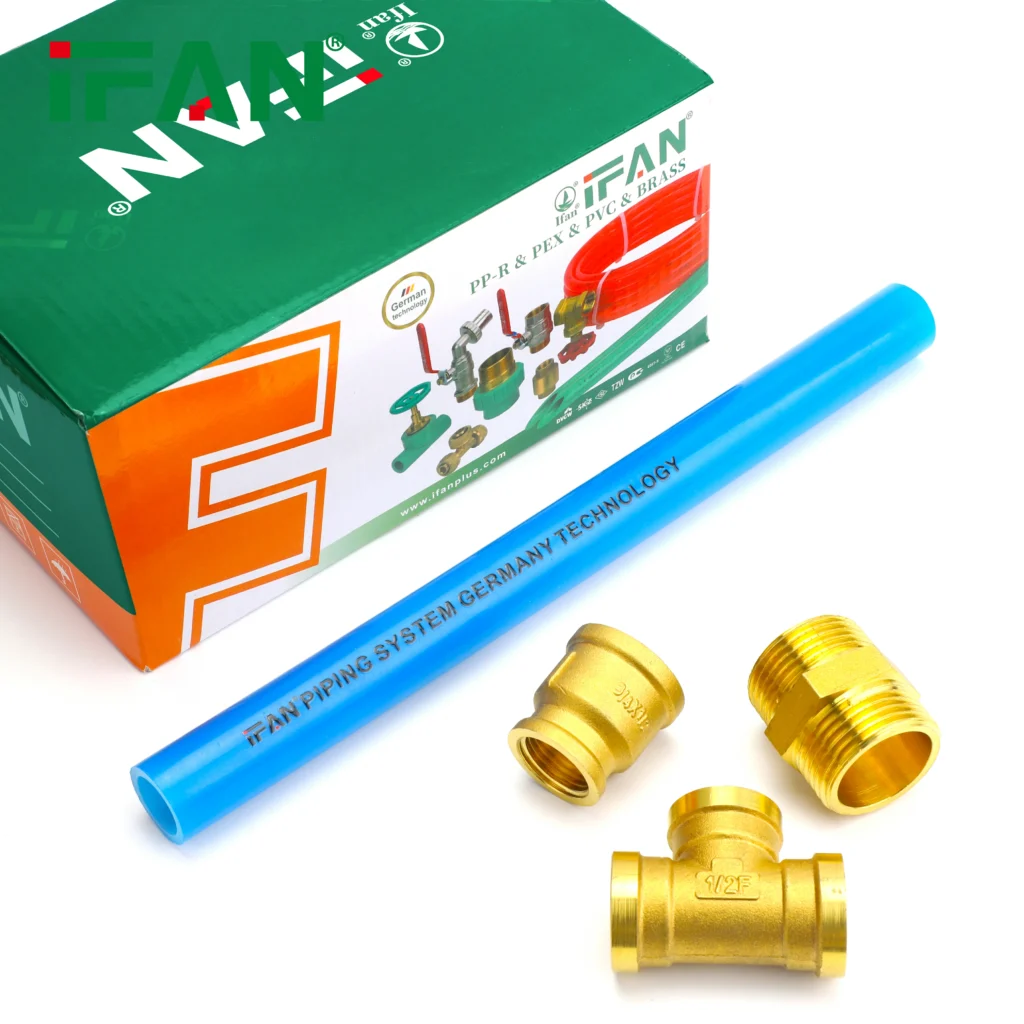
Why Choose Brass Fittings? Key Advantages
Brass, an alloy of copper and zinc, offers a unique combination of properties that make it ideal for pipe fittings.
Superior corrosion resistance makes brass suitable for both hot and cold water supply lines, as it resists rust and water-related decay. It also performs well with many chemicals.
Excellent durability and strength allow brass fittings to withstand high pressure and mechanical stress, ensuring long-lasting connections.
The malleability of brass makes it easier to machine into precise and complex shapes, reducing the risk of cracking under pressure.
Brass offers natural antimicrobial properties, inhibiting the growth of bacteria and pathogens in water systems, which contributes to cleaner water.
Modern lead-free brass fittings comply with NSF/ANSI 61 standards, making them safe for potable water applications.
Common Types of Brass Pipe Fittings
Understanding the different types of fittings is essential for any project. Here are the most common varieties:
Elbows are used to change the direction of flow, typically at 90 or 45 degrees.
Tees split or combine flow from two directions, forming a T-shaped connection.
Couplings connect two pipes of the same diameter in a straight line.
Unions function like couplings but are designed for easy disconnection, making maintenance simpler.
Adapters help connect pipes of different materials or diameters.
Nipples are short pipe sections with male threads on both ends.
Caps and Plugs seal the end of a pipe. Caps cover male threads, while plugs fit into female threads.
Valves, such as brass ball valves, control or shut off the flow of liquid or gas with reliability and a tight seal.
Applications of Brass Fittings
Brass fittings are used in a wide range of residential, commercial, and industrial applications.
In residential and commercial plumbing, brass fittings are ideal for potable water systems, including sinks, toilets, and appliances, due to their corrosion resistance.
HVAC systems use brass fittings for refrigerant lines, drainage, and control lines because of their durability and temperature tolerance.
Gas lines often rely on brass fittings for natural gas and LP gas applications, as brass is spark-resistant and durable.
Industrial applications include compressed air systems, hydraulic systems, and certain chemical processing lines.
Marine environments benefit from brass fittings due to their resistance to saltwater corrosion.
How to Choose the Right Brass Fitting
Selecting the right fitting involves several considerations.
Size is critical. Determine the nominal pipe size and whether you need a male or female thread connection.
Thread type is usually NPT (National Pipe Tapered), which creates a seal through thread wedging. Ensure compatibility with your system.
Pressure rating must align with your system’s maximum PSI to avoid failures.
Material standards such as Lead-Free or NSF/ANSI 61 certifications are essential for drinking water applications.
Application suitability should be confirmed—check whether the fitting is designed for water, gas, or other specific uses.
Conclusion
Brass pipe fittings deliver an unmatched blend of durability, safety, and versatility. Their resistance to corrosion, high pressure, and bacteria makes them a reliable choice for countless applications. By selecting the right type and size for your project, you can ensure a secure and long-lasting system.
IFAN factory started in 1993. And IFAN has workshop 120000 square meter with 610 staff. IFAN can design and produce all plumbing pipe and fitting include PPR,PVC,CPVC PPSU HDPE PEXA PEXB PERT pipe and fitting ,brass fitting, brass ball valve ,heating system , gas system , sanitary faucets and hose, In the past 30 Years, IFAN has never forgotten his mission-To protect health and safety. And IFAN factory use best materials to produce high quality pipe and fittings with automatic production line and high tech quality control machines. The most important,IFAN can guarantee that all pipes and fittings manufactured by IFAN are qualified. More information pls feel free contact us Whatsapp.