
CPVC Fittings Cap: Essential Components for Secure Pipe Termination
CPVC (Chlorinated Polyvinyl Chloride) fittings caps are vital components in plumbing and industrial piping systems, designed to seal pipe ends permanently or temporarily. These caps prevent contamination, protect against environmental damage, and ensure system integrity during construction or maintenance. This guide explores their features, benefits, applications, and best practices for installation and upkeep.
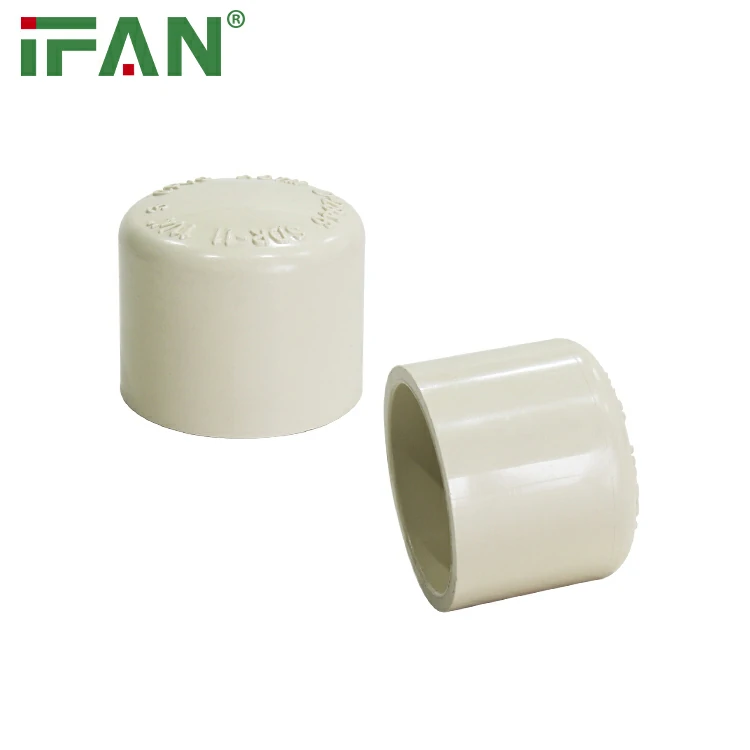
What Is a CPVC Fittings Cap?
A CPVC fittings cap is a threaded or socket-style end piece that fits over the open end of a CPVC pipe. It creates an airtight, watertight seal using solvent cement or threaded connections, depending on the design. Caps are available in sizes ranging from ½ inch to 12 inches and are compatible with both Schedule 40 and Schedule 80 CPVC pipes.
Unlike plugs (which fit inside pipes), caps cover the exterior, making them ideal for protecting pipe ends from dirt, moisture, and physical impact.
Key Features and Benefits
1. Durable Construction
CPVC caps resist corrosion, chemicals, and UV degradation, ensuring long-term performance in harsh environments. They withstand temperatures up to 200°F (93°C) and pressures up to 400 psi, depending on the pipe schedule.
2. Leak-Proof Sealing
When installed correctly, solvent-cemented caps bond chemically with the pipe, eliminating leaks. Threaded caps with Teflon tape or pipe dope provide a secure mechanical seal.
3. Versatile Applications
Caps are used in residential plumbing, industrial chemical transport, and agricultural irrigation to terminate pipes safely or prepare them for future connections.
4. Cost-Effective Protection
By preventing debris ingress and corrosion, caps reduce maintenance costs and extend the lifespan of piping systems.
5. Easy Installation
Solvent-cemented caps require no special tools, while threaded caps can be tightened by hand or with wrenches, saving time and labor.
Applications of CPVC Fittings Caps
Residential Plumbing
- Water Supply Lines: Caps seal unused pipe ends during renovations or when temporarily disconnecting fixtures like sinks or showers.
- Sprinkler Systems: Protect open irrigation pipes from insects, dirt, and freezing during off-seasons.
- Drain Lines: Close off unused drain openings to prevent sewer gases from entering buildings.
Commercial Buildings
- Fire Sprinkler Systems: Caps seal test lines or unused branches during system inspections or modifications.
- HVAC Chilled Water Lines: Terminate pipes safely during equipment upgrades or repairs.
Industrial Piping
- Chemical Processing Plants: Caps prevent contaminants from entering pipes transporting acids, solvents, or wastewater.
- Food and Beverage Manufacturing: Seal clean-in-place (CIP) systems to maintain hygiene standards during downtime.
- Pharmaceutical Production: Protect sterile piping from microbial contamination between production batches.
Agricultural Irrigation
- Drip Irrigation Systems: Caps close off lateral lines during winterization or when reconfiguring fields.
- Pump Stations: Seal unused outlets to prevent algae growth or sediment buildup.
Installation Best Practices
1. Preparing the Pipe
- Cut the pipe squarely using a fine-toothed saw or pipe cutter.
- Deburr the edges with sandpaper to remove sharp protrusions that could scratch the cap’s interior.
- Clean the pipe end with a CPVC-compatible primer to remove oils, dirt, and manufacturing residues.
2. Choosing the Right Cap Type
- Solvent-Cement Caps: Ideal for permanent installations. Ensure the cap and pipe are the same size (e.g., 1-inch cap for 1-inch pipe).
- Threaded Caps: Suitable for temporary seals or systems requiring frequent disassembly. Wrap male threads with Teflon tape (3–4 wraps clockwise) or apply pipe dope before screwing on the cap.
3. Applying Solvent Cement (For Permanent Caps)
- Apply a uniform layer of CPVC solvent cement to both the pipe end and the cap’s interior socket using a dauber brush.
- Immediately insert the pipe fully into the cap, twisting slightly to distribute the cement evenly.
- Hold the joint in place for 30 seconds to prevent slippage while the cement sets.
- Wipe away excess cement with a cloth.
4. Curing Time
- Allow the joint to cure for at least 2 hours before handling and 24 hours before pressurizing the system.
- Avoid exposing freshly cemented caps to temperatures below 40°F (4°C), as this slows curing.
5. Pressure Testing
- Fill the system with water and pressurize it to 1.5 times the maximum operating pressure.
- Hold the pressure for 2 hours and inspect for leaks around the cap.
- If leaks occur, disassemble the joint, clean both surfaces, and reapply solvent cement.
Maintenance Tips
- Regular Inspections: Check caps annually for cracks, discoloration, or loose threads.
- Replace Solvent-Cemented Caps: These are permanent; any damage requires cutting the pipe and installing a new cap.
- Tighten Threaded Caps: Use wrenches to re-tighten loose caps, but avoid over-tightening, which can crack the CPVC.
- Protect Outdoor Caps: Paint caps with UV-resistant coating or install protective sleeves to prevent sun damage.
- Avoid Chemical Exposure: Ensure transported fluids are compatible with CPVC to prevent material degradation.
Conclusion
CPVC fittings caps are indispensable for sealing and protecting piping systems in residential, commercial, and industrial settings. Their chemical resistance, durability, and ease of installation make them a cost-effective solution for preventing leaks, contamination, and damage. By following proper installation and maintenance practices, users can ensure reliable performance and extend the lifespan of their CPVC piping networks.
IFAN factory started in 1993. And IFAN has workshop 120000 square meter with 610 staff. IFAN can design and produce all plumbing pipe and fitting include PPR,PVC,CPVC PPSU HDPE PEXA PEXB PERT pipe and fitting ,brass fitting, brass ball valve ,heating system , gas system , sanitary faucets and hose, In the past 30 Years, IFAN has never forgotten his mission-To protect health and safety. And IFAN factory use best materials to produce high quality pipe and fittings with automatic production line and high tech quality control machines. The most important,IFAN can guarantee that all pipes and fittings manufactured by IFAN are qualified. More information pls feel free contact us Whatsapp.