
1. Introduction to Brass Thread Ball Valves
Brass thread ball valves are quarter-turn valves that control fluid flow by rotating a spherical disc with a central bore. The “thread” designation refers to their threaded connections (e.g., NPT, BSP), which enable direct installation into pipelines without additional fittings. Brass, an alloy of copper and zinc, is chosen for its corrosion resistance, machinability, and cost-effectiveness, making these valves ideal for residential, commercial, and light industrial applications.
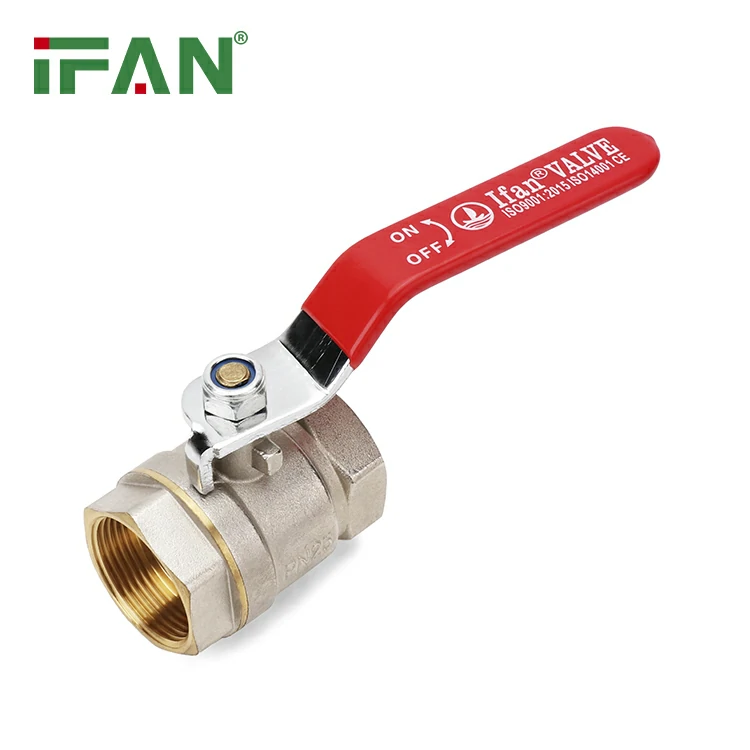
2. Key Components and Design
- Valve Body: Cast or forged from brass (e.g., CW617N, DZR brass for dezincification resistance).
- Ball: Hollow or solid brass ball with a precision-drilled bore for flow control.
- Stem: Brass or stainless steel stem with O-ring seals to prevent leakage.
- Seats: PTFE (Teflon) or reinforced seats for high-temperature and chemical resistance.
- Threaded Ends: Female (F) or male (M) threads compatible with global standards (NPT, BSPT, BSPP).
Design Variations:
- Full Port: Ball bore matches pipe diameter for unrestricted flow.
- Reduced Port: Smaller bore for cost savings in low-flow applications.
- 2-Way/3-Way: 2-way for on/off control; 3-way for diverting or mixing flows.
3. Advantages of Brass Thread Ball Valves
| Feature | Benefit |
|---|---|
| Corrosion Resistance | Withstands water, mild acids, and salts (except ammonia-based chemicals). |
| Durability | Brass resists cracking and deformation under pressure. |
| Ease of Installation | Threaded ends eliminate welding, reducing labor costs. |
| Low Maintenance | PTFE seats resist wear, extending service life. |
| Cost-Effective | Lower material and manufacturing costs compared to stainless steel. |
4. Applications Across Industries
- Residential Plumbing:
- Water supply lines, heating systems, and irrigation.
- Commercial Buildings:
- HVAC systems, fire sprinklers, and potable water distribution.
- Light Industry:
- Compressed air lines, chemical processing (non-corrosive fluids), and dairy equipment.
- Automotive:
- Fuel lines, coolant systems, and hydraulic circuits.
Case Study:
A hotel replaced iron valves with brass thread ball valves in its heating system, reducing maintenance costs by 40% due to brass’s resistance to scale and corrosion.
5. Selection Criteria
- Pressure Rating: Ensure the valve’s PSI rating exceeds system pressure (e.g., 600 PSI for industrial use).
- Temperature Range: Brass valves typically handle -20°C to 180°C; verify compatibility with hot water/steam.
- Thread Type: Match pipe threads (e.g., NPT for North America, BSP for Europe).
- Certifications: Look for NSF/ANSI 61 (potable water), UL, or CE marks.
- Flow Requirements: Full port valves minimize pressure drop in high-flow systems.
6. Installation and Maintenance
- Installation:
- Use Teflon tape or thread sealant on male threads to prevent leaks.
- Avoid over-tightening, which can crack the brass body.
- Maintenance:
- Annually: Inspect for leaks, clean debris from the ball bore, and lubricate the stem.
- Every 5 Years: Replace PTFE seats if wear is visible.
Troubleshooting:
- Stuck Valve: Apply penetrating oil to the stem; replace if corroded.
- Leakage: Tighten connections or replace O-rings/seats.
7. Innovations and Future Trends
- Smart Valves: Integration with IoT sensors for remote monitoring of flow/pressure.
- Eco-Friendly Materials: Lead-free brass (compliant with EU RoHS) and recycled alloys.
- High-Performance Coatings: Nickel-plated or epoxy-coated brass for marine environments.
- Modular Designs: Interchangeable seats and balls for quick repairs.
8. Comparison with Alternative Materials
| Material | Pros | Cons |
|---|---|---|
| Stainless Steel | Higher pressure/temp ratings, corrosion-resistant in harsh chemicals. | More expensive, heavier. |
| PVC | Cheap, resistant to acids. | Brittle, limited to low-pressure systems. |
| Bronze | Stronger than brass, marine-grade. | Costly, heavier. |
9. Conclusion
Brass thread ball valves offer a balanced combination of affordability, durability, and ease of use, making them a top choice for non-corrosive fluid control. Innovations in smart technology and sustainable materials are expanding their applications, while proper selection and maintenance ensure long-term reliability.
IFAN factory started in 1993. And IFAN has workshop 120000 square meter with 610 staff. IFAN can design and produce all plumbing pipe and fitting include PPR,PVC,CPVC PPSU HDPE PEXA PEXB PERT pipe and fitting ,brass fitting, brass ball valve ,heating system , gas system , sanitary faucets and hose, In the past 30 Years, IFAN has never forgotten his mission-To protect health and safety. And IFAN factory use best materials to produce high quality pipe and fittings with automatic production line and high tech quality control machines. The most important,IFAN can guarantee that all pipes and fittings manufactured by IFAN are qualified. More information pls feel free contact us Whatsapp.