
Material Technology Overview
PPH (Polypropylene Homopolymer) pipes represent high-performance thermoplastic pressure pipes specifically engineered for industrial applications requiring exceptional chemical resistance and structural integrity. The homopolymer structure provides superior mechanical properties compared to copolymer alternatives, with enhanced stress crack resistance and long-term stability. These characteristics make PPH pipes ideal for handling aggressive chemicals, wastewater systems, and industrial process applications where reliability and durability are paramount.
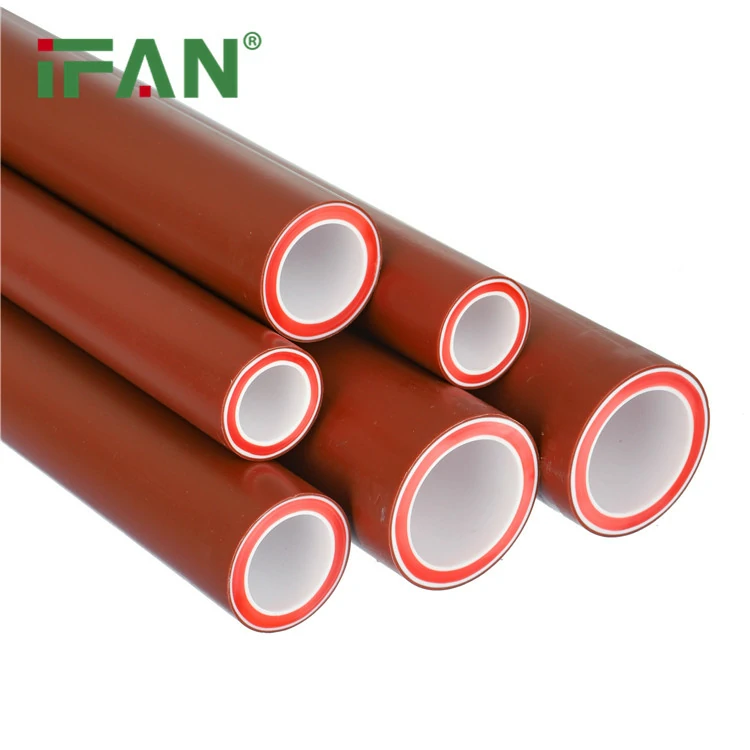
Technical Specifications
Material Standards & Performance Data
- Compliance Certifications: ISO 15874, DIN 8077/8078, ASTM F2389
- Temperature Performance: -20°C to 95°C continuous operation
- Pressure Capacity: PN10, PN16 pressure ratings (10-16 bar at 20°C)
- Size Spectrum: 20mm to 1000mm diameter range
- Material Density: 0.905-0.915 g/cm³
- Thermal Conductivity: 0.22 W/mK
Mechanical Properties
- Tensile Strength: 25-35 MPa at yield
- Modulus of Elasticity: 1300-1800 MPa
- Impact Strength: 25 kJ/m² (Charpy notched)
- Chemical Resistance: Excellent against acids, alkalis, salts
Manufacturing Standards
Quality Control Parameters
- Raw Material: Virgin PPH homopolymer compounds
- Wall Thickness: SDR 11, SDR 17, SDR 26 series
- Color Coding: Standard gray, green, or custom colors
- Quality Testing: Hydrostatic pressure, dimensional stability
- Certification: CE marking, ISO 9001 quality systems
Professional Installation Methods
Butt Welding Procedure
- Preparation Phase
- Cut pipe square using dedicated plastic pipe cutter
- Clean welding surfaces with isopropyl alcohol
- Check pipe alignment and clamping stability
- Heating Process
- Set heating plate temperature to 220°C ± 5°C
- Apply even pressure during heating phase
- Monitor bead formation (1-2mm height)
- Welding & Cooling
- Remove heating plate within 3 seconds
- Apply joining pressure immediately
- Maintain pressure during cooling period
- Allow complete cooling before handling
Socket Welding Alternative
- Use calibrated socket welding equipment
- Maintain temperature at 260°C
- Ensure proper insertion depth marking
- Follow manufacturer’s cooling time specifications
Application Engineering
Chemical Processing
- Acid and alkali transport systems
- Chemical manufacturing plants
- Electroplating and metal treatment
- Pharmaceutical production facilities
Industrial Applications
- Wastewater treatment plants
- Mining and mineral processing
- Power plant chemical systems
- Semiconductor manufacturing
Specialized Uses
- Ultrapure water systems
- Food processing applications
- Compressed air systems
- Laboratory drainage networks
Quality Assurance Protocols
Installation Verification
- Visual weld bead inspection
- Pressure testing per EN 1411
- Dimensional accuracy checking
- Material certification verification
Performance Monitoring
- Regular system inspection
- Joint integrity assessment
- Chemical resistance verification
- Structural support evaluation
Design Considerations
Engineering Advantages
- Exceptional chemical resistance
- Low thermal conductivity
- Smooth interior surface
- Long service life expectancy
Design Limitations
- UV protection requirements
- Thermal expansion considerations
- Pressure derating at elevated temperatures
- Support spacing requirements
Maintenance Protocols
Preventive Maintenance
- Annual visual inspection program
- Support system evaluation
- Expansion joint performance check
- Chemical compatibility verification
Operational Procedures
- System commissioning protocols
- Emergency shutdown procedures
- Cleaning and maintenance access
- Repair and replacement methodologies
Industry Standards Compliance
International Standards
- ISO 15874 – Plastics piping systems
- DIN 8077 – Polypropylene pipes
- ASTM F2389 – Pressure pipe standards
- EN 12201 – Water supply applications
Quality Documentation
- Material test certificates
- Welding procedure specifications
- Installation quality records
- Pressure test documentation
Technical Conclusion
PPH pipes provide engineered solutions for demanding industrial applications where chemical resistance and long-term reliability are essential. The homopolymer structure delivers superior performance in aggressive environments compared to alternative materials. Successful implementation requires proper material selection, professional installation techniques, and comprehensive quality assurance. Through adherence to international standards and manufacturer’s guidelines, PPH pipe systems deliver decades of trouble-free service in the most challenging industrial environments. The material’s proven track record in chemical processing, wastewater treatment, and industrial applications confirms its position as a preferred choice for engineers and specifiers worldwide.
IFAN factory started in 1993. And IFAN has workshop 120000 square meter with 610 staff. IFAN can design and produce all plumbing pipe and fitting include PPR,PVC,CPVC PPSU HDPE PEXA PEXB PERT pipe and fitting ,brass fitting, brass ball valve ,heating system , gas system , sanitary faucets and hose, In the past 30 Years, IFAN has never forgotten his mission-To protect health and safety. And IFAN factory use best materials to produce high quality pipe and fittings with automatic production line and high tech quality control machines. The most important,IFAN can guarantee that all pipes and fittings manufactured by IFAN are qualified. More information pls feel free contact us Whatsapp.