
Introduction
A brass fitting socket is a fundamental component in piping systems, designed to join two pipes end-to-end or connect pipes to valves, fixtures, or other fittings. Made from a corrosion-resistant copper-zinc alloy, brass sockets are prized for their durability, thermal stability, and compatibility with various fluids and gases. Whether you’re tackling a residential plumbing project, upgrading HVAC systems, or assembling industrial machinery, understanding brass sockets—their types, applications, and best practices—ensures secure, leak-free connections. This guide explores everything from selection to maintenance, plus expert installation tips.
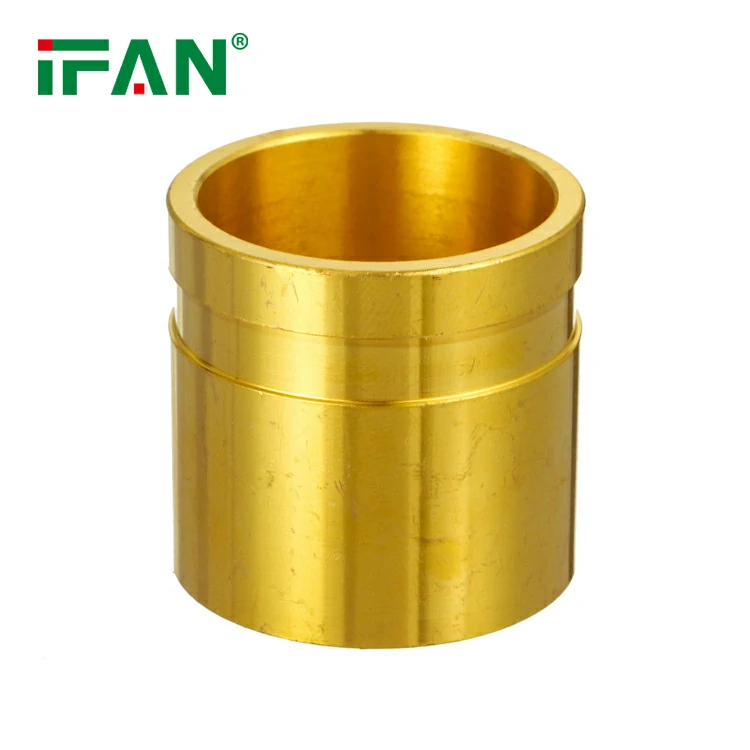
What Is a Brass Fitting Socket?
A brass fitting socket is a female-threaded connector that receives a male-threaded pipe or fitting, creating a tight seal. Unlike couplings (which join two pipes of the same size) or reducers (which connect different sizes), sockets are typically uniform in diameter but can include features like:
- Internal threads for male pipe insertion.
- Tapered designs for compression-style connections.
- Integrated seals (e.g., O-rings) for push-fit applications.
Brass sockets are used in systems handling water, gas, oil, steam, or chemicals, offering superior resistance to corrosion and high temperatures compared to steel or plastic alternatives.
Types of Brass Fitting Sockets
- Threaded Brass Sockets
- Feature female NPT (National Pipe Taper) or BSP (British Standard Pipe) threads.
- Ideal for connecting pipes to valves, pumps, or fixtures.
- Example: A 1/2″ brass socket with female threads for attaching a water supply line to a faucet.
- Compression Brass Sockets
- Use a ferrule and nut to grip pipes without soldering.
- Perfect for soft pipes like copper or PEX in residential plumbing.
- Example: A 3/4″ compression socket joining two copper pipes under a sink.
- Soldered Brass Sockets
- Designed for permanent connections to copper pipes using solder and flux.
- Common in high-pressure water systems or HVAC refrigerant lines.
- Example: A 1″ soldered socket in a boiler’s heating loop.
- Push-Fit Brass Sockets
- Feature O-ring seals for tool-free installation.
- Great for quick repairs or temporary setups.
- Example: A 1/4″ push-fit socket connecting a water filter to a refrigerator line.
- Barbed Brass Sockets
- Include ridges to grip hoses securely.
- Used in agricultural irrigation, fuel systems, or pneumatic applications.
- Example: A 3/8″ barbed socket splitting a garden hose into two sprinklers.
Key Benefits of Brass Fitting Sockets
- Corrosion Resistance
Brass outlasts steel in moist or chemical-rich environments, reducing rust and leaks. - Thermal Stability
Functions reliably in temperatures from -20°C to 200°C (-4°F to 392°F), making it suitable for hot water lines or steam systems. - Malleability
Easy to machine into precise shapes for custom projects or tight spaces. - Low Maintenance
Resists limescale and biofilm buildup, minimizing cleaning needs. - Aesthetic Appeal
Polished brass adds a professional finish to exposed plumbing in luxury homes or commercial spaces.
Applications of Brass Fitting Sockets
- Residential Plumbing
Connect pipes to sinks, showers, toilets, or appliances. Example: A 1/2″ threaded socket linking a water heater to a distribution manifold. - HVAC Systems
Join refrigerant lines or air ducts in heating and cooling units. Example: A 3/4″ soldered socket in an AC’s condenser coil. - Industrial Piping
Handle compressed air, steam, or chemical transport in factories. Example: A 2″ barbed socket in a manufacturing plant’s pneumatic system. - Automotive and Marine
Withstand vibrations and saltwater in fuel lines or coolant systems. Example: A 1/4″ compression socket in a boat’s engine cooling loop. - Fire Protection
Ensure reliable flow in fire sprinkler systems. Example: A 1″ brass socket in a commercial building’s fire suppression network. - Agricultural Irrigation
Split hoses or pipes for efficient watering. Example: A 1/2″ push-fit socket in a drip irrigation setup.
How to Install a Brass Fitting Socket
- Choose the Right Type
Match the socket to your pipe material (e.g., compression for PEX, soldered for copper). - Prepare the Pipes
- Cut pipes squarely using a tubing cutter.
- Deburr edges with sandpaper to avoid damaging seals.
- Apply Thread Sealant (For Threaded Sockets)
Use PTFE tape or pipe dope on male threads. Wrap clockwise, 3–4 times. - Assemble the Socket
- Hand-tighten threaded connections first, then use a wrench for 1–2 additional turns.
- For compression sockets, slide the nut and ferrule onto the pipe before tightening.
- Test for Leaks
Conduct a pressure test at 1.5x the system’s operating pressure (e.g., 90 PSI for a 60 PSI system).
Maintenance Tips for Brass Fitting Sockets
- Inspect Regularly
Check for cracks, corrosion, or loose connections, especially in high-vibration areas. - Avoid Harsh Chemicals
Clean with mild soap and water; abrasive cleaners may scratch the surface. - Protect from Freezing
Insulate brass sockets in cold climates to prevent bursting from water expansion. - Replace Worn Seals
O-rings or gaskets in push-fit or compression sockets may degrade over time—replace them as needed.
5 FAQs About Brass Fitting Sockets
Q1: Are brass fitting sockets safe for drinking water?
Yes! Brass sockets compliant with standards like NSF/ANSI 61 are lead-free and safe for potable water systems.
Q2: Can I use a brass socket with PVC pipes?
Direct connections are not recommended. Use a threaded adapter or transition coupling designed for PVC-to-metal compatibility.
Q3: How do I remove a stuck brass socket?
Apply heat (e.g., a hairdryer) to expand the metal, then use two wrenches—one to hold the pipe, the other to turn the socket.
Q4: Do brass sockets tarnish over time?
Yes, but tarnish is cosmetic. Polish with a brass cleaner to restore shine if desired.
Q5: Can brass fitting sockets handle high-pressure applications?
Absolutely! Many brass sockets are rated for pressures up to 1,000 PSI, depending on the design and thickness.
Conclusion
A brass fitting socket is a versatile, durable, and reliable solution for joining pipes in plumbing, HVAC, and industrial systems. By selecting the right type (threaded, compression, soldered, etc.), following proper installation practices, and performing regular maintenance, you can ensure decades of leak-free performance. Whether you’re a DIY enthusiast or a professional plumber, brass sockets offer unmatched strength and compatibility.
IFAN factory started in 1993. And IFAN has workshop 120000 square meter with 610 staff. IFAN can design and produce all plumbing pipe and fitting include PPR,PVC,CPVC PPSU HDPE PEXA PEXB PERT pipe and fitting ,brass fitting, brass ball valve ,heating system , gas system , sanitary faucets and hose, In the past 30 Years, IFAN has never forgotten his mission-To protect health and safety. And IFAN factory use best materials to produce high quality pipe and fittings with automatic production line and high tech quality control machines. The most important,IFAN can guarantee that all pipes and fittings manufactured by IFAN are qualified. More information pls feel free contact us Whatsapp.