
Definition and Basic Composition
Brass pipe fittings are connectors made from a copper-zinc alloy. Brass typically contains 60-70% copper and 30-40% zinc. Small amounts of other elements may be added. This composition gives brass its distinctive golden color. It also provides strength and corrosion resistance.
How Brass Fittings Are Manufactured
Brass pipe fittings are produced through several methods. Casting involves pouring molten brass into molds. Forging shapes heated brass under high pressure. Machining cuts fittings from solid brass bars. Each method affects the final properties. Forged fittings offer the highest strength.
The Role of Lead in Brass
Traditional brass often contained lead. Lead improved machinability for threading. Modern regulations limit lead content strictly. “Lead-free” brass contains less than 0.25% lead. Drinking water systems require this. Some fittings use bismuth or silicon instead.
Types of Brass Alloys Used
Different alloys serve different applications. C36000 is “free-cutting brass” for machining. C37700 is designed for forging. C46400 (naval brass) resists saltwater corrosion. DZR (dezincification-resistant) brass prevents zinc leaching. Each alloy has specific advantages.
Common Types of Fittings
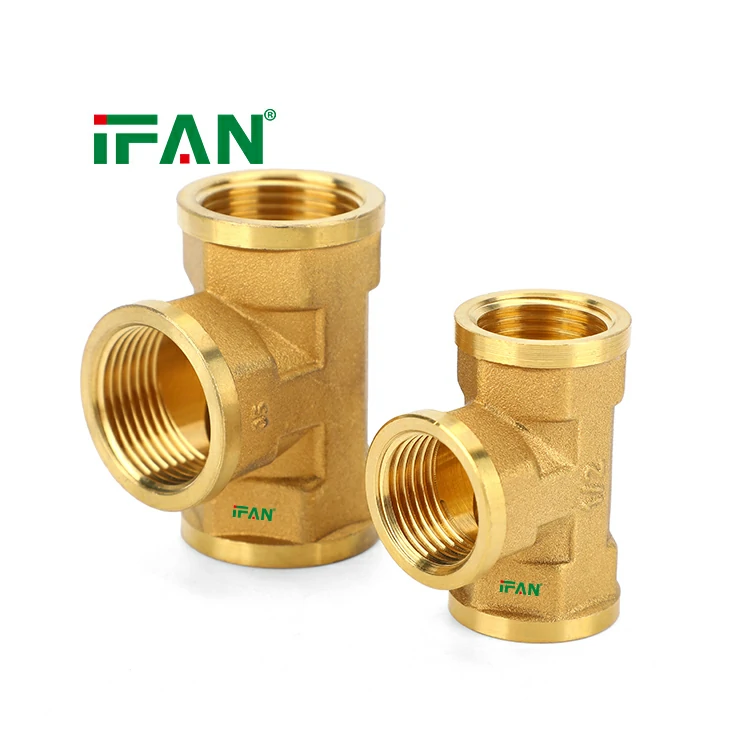
Brass pipe fittings come in many shapes. Elbows change the pipe direction by 45° or 90°. Tees create branch lines from a main pipe. Couplings join two straight pipe sections. Caps seal the end of a pipe. Unions allow easy disassembly for maintenance.
Threaded Connections and Standards
Most brass pipe fittings use tapered threads. NPT (National Pipe Thread) is standard in North America. BSP (British Standard Pipe) is common elsewhere. Tapered threads seal by metal-to-metal contact. Thread sealant or tape fills the spiral gaps. This prevents leaks at the connection.
Compression Fittings for Soft Tubing
Brass compression fittings work with softer tubing. A brass ferrule (ring) compresses against the tube. The fitting nut creates the compression force. These are common for water supply lines. They connect faucets and toilets. No soldering or threading is required.
Flare Fittings for High Pressure
Flare fittings use a different sealing method. The tubing end is expanded into a cone shape. This cone seals against a matching brass seat. Brass pipe fittings of this type handle high pressure. They are common for gas and fuel lines. Refrigeration systems also use flare fittings.
Applications in Water Systems
Water distribution is the most common use. Brass pipe fittings connect copper and PEX pipes. They are used in homes and commercial buildings. Hot water heaters require brass for temperature resistance. The material does not rust like steel.
Use in Gas and Fuel Lines
Brass is non-sparking, which is critical for gas. Certified brass pipe fittings are approved for natural gas. People also use them for propane and fuel oil. They prefer flare fittings for gas applications. The material resists corrosion from fuel components.
Industrial and Hydraulic Applications
Compressed air systems use brass fittings extensively. Instrumentation and control lines also use them. Hydraulic systems require high pressure ratings. Brass pipe fittings handle pressures up to several thousand PSI. Reliability and corrosion resistance make them the chosen option.
Quality Identification and Certification
Quality brass pipe fittings carry clear markings. The manufacturer stamps its name or logo. Pressure ratings like “125 CWP” may appear. Manufacturers sometimes mark the material grade (e.g., C36000). Look for NSF/ANSI 61 for drinking water. For gas, UL or CSA certification is essential.
Brass pipe fittings are essential components in plumbing, gas, and industrial systems. Their copper-zinc composition offers strength, corrosion resistance, and machinability. Different alloys and manufacturing methods suit various applications. Proper selection and installation ensure decades of reliable service. Always check certifications for drinking water or gas use. With correct choice, brass fittings provide a durable, long-lasting connection.
IFAN factory started in 1993. And IFAN has workshop 120000 square meter with 610 staff. IFAN can design and produce all plumbing pipe and fitting include PPR,PVC,CPVC PPSU HDPE PEXA PEXB PERT pipe and fitting ,brass fitting, brass ball valve ,heating system , gas system , sanitary faucets and hose, In the past 30 Years, IFAN has never forgotten his mission-To protect health and safety. And IFAN factory use best materials to produce high quality pipe and fittings with automatic production line and high tech quality control machines. The most important,IFAN can guarantee that all pipes and fittings manufactured by IFAN are qualified. More information pls feel free contact us Whatsapp.