

The Ultimate Guide to PPR Pipe Fittings: Types, Benefits, and Applications
H1: The Ultimate Guide to PPR Pipe Fittings: Types, Benefits, and Applications
Selecting the right materials is a critical first step in planning any modern plumbing or heating system. Among the numerous options available, PPR pipe fittings and pipes have rapidly emerged as a global gold standard for a wide range of applications. But what exactly are they, and why are they so highly regarded?
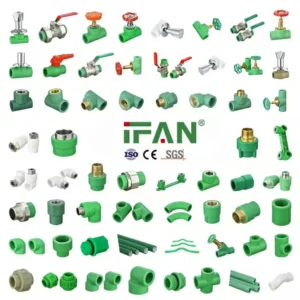
To answer that, this comprehensive guide will explore everything you need to know about PPR pipes and fittings. Specifically, we will cover their core properties, significant advantages, the different types available, and their correct installation methods.
What are PPR Pipe Fittings?
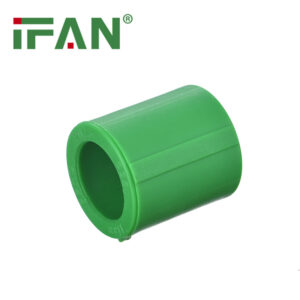
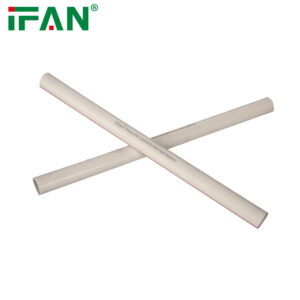
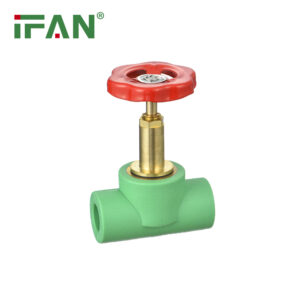
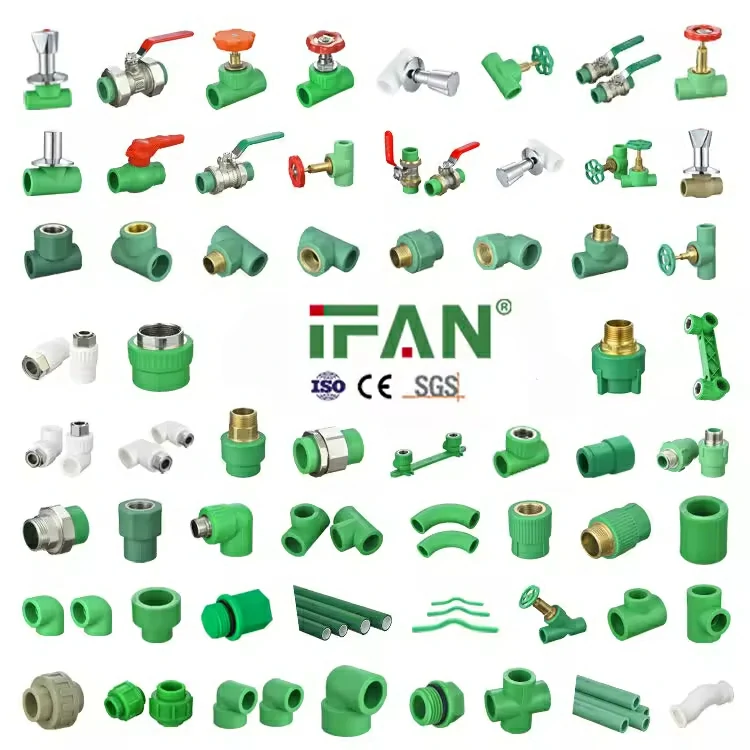
Firstly, PPR stands for Polypropylene Random Copolymer. Essentially, it’s a durable plastic known for its exceptional heat resistance and flexibility. In practice, PPR pipe fittings are the connectors—such as elbows, tees, valves, and couplers—used to join sections of PPR pipes. The result is a complete, continuous, and leak-free network perfectly suited for both hot and cold water distribution.
Furthermore, these systems are renowned for their incredibly long service life, often exceeding 50 years. As a result, they are widely considered a superior alternative to traditional copper or PVC pipes.
Key Benefits of Using a PPR Piping System
Why has PPR become the material of choice for engineers and plumbers worldwide? The reasons are multifaceted and compelling:
Excellent Heat Resistance: Firstly, they are perfect for both cold and hot water supply, handling temperatures up to 95°C (203°F) continuously. This makes them ideal for domestic hot water lines and central heating systems.
Corrosion and Scale Resistant: Unlike metal pipes, PPR does not rust or corrode. Additionally, its smooth inner surface prevents limescale and mineral buildup, which ensures consistent water flow and pressure over decades.
Leak-Free Joints: Crucially, PPR systems are joined using heat fusion welding. This process melts the pipe and fitting together to form a single, homogeneous piece. Therefore, it creates a permanent bond that is stronger than the pipe itself and is 100% leak-proof.
Long Lifespan & Durability: Thanks to its high resistance to chemical attacks and physical stress, PPR boasts a typical lifespan of over 50 years.
Energy Efficient: Moreover, the material has low thermal conductivity. In other words, it retains heat in hot water lines better than metal pipes, leading to significant energy savings.
Non-Toxic and Safe: Importantly, PPR is hygienic and safe for potable water. This is because it doesn’t leach harmful chemicals and meets stringent international drinking water standards.
Lightweight and Easy to Install: Finally, PPR pipes are much lighter than metal, reducing transportation and handling costs. The installation process is also cleaner and faster, as it requires no threading or grooving.
Common Types of PPR Pipe Fittings
Understanding the different types of PPR fittings is essential for designing any pipeline system. They are generally categorized in the following ways:
1. By Function:
Couplings: Used to connect two pipes of the same diameter in a straight line.
Elbows (90° and 45°): Specifically designed to change the direction of the pipeline.
Tees (Equal and Reducing): These are used to combine or split flow lines into three directions.
Reducers: As the name implies, these connect two pipes of different diameters.
End Caps: Their primary function is to seal the end of a pipe.
Adapters: These are essential for connecting PPR pipes to different types of pipes or threaded fixtures.
2. By Size (Outside Diameter – DN):
PPR pipes and fittings come in standardized metric sizes. For instance, common diameters include:
DN 20 (≈ 3/4″)
DN 25 (≈ 1″)
DN 32 (≈ 1 1/4″)
And larger sizes for industrial applications.
3. By Pressure Rating (PN):
The Pressure Nominal (PN) indicates the maximum operating pressure. To clarify:
PN 10: For cold water and low-pressure hot water applications.
PN 16: However, this is a versatile rating for standard cold and hot water systems.
PN 20: Conversely, this is used for higher pressure hot water lines and central heating.
PN 25: Finally, this rating is for high-pressure and high-temperature applications.
The PPR Installation Process: Heat Fusion Welding
The superior performance of a PPR system lies in its installation method. Thankfully, the heat fusion process is straightforward but requires skill. Here’s how it works:
Cut: Initially, a dedicated pipe cutter is used to cut the pipe square for a perfect seal.
Clean: Next, the ends of the pipe and the fitting socket are cleaned with isopropyl alcohol to remove any debris.
Heat: After that, a thermostatically controlled welding machine with the appropriate-sized heating dies is used to simultaneously heat the pipe end and the fitting.
Connect: Once the material is molten, the pipe is inserted straight into the fitting socket and held steady for a few seconds.
Cool: Ultimately, the joint is left to cool naturally, forming a permanent, monolithic, and leak-proof connection.
Applications of PPR Pipes and Fittings
Due to their versatile properties, PPR systems are used in numerous applications, such as:
Domestic Cold and Hot Water Supply
Central Heating Systems and Radiator Connections
Compressed Air Lines
Chemical Transfer Lines
Solar Energy Systems
FAQ: Frequently Asked Questions About PPR Fittings
Q: Can PPR pipes be used for drinking water?
A: Absolutely. High-quality PPR pipes are certified to be non-toxic and are extensively used for potable water systems around the world.
Q: What is the difference between PPR and PVC fittings?
A: The main difference lies in their temperature resistance and joining method. PVC is used for cold water only and uses solvent cement joints, whereas PPR can handle high-temperature water and uses a stronger heat fusion method.
Q: How do I choose the right PN rating?
A: For the most part, PN 16 or PN 20 is sufficient for residential applications. However, always consult your local plumbing codes or an engineer for specific project requirements.
Q: Are PPR systems cost-effective?
A: While the initial material cost might be comparable, the savings in installation time, longevity, and minimal maintenance make PPR one of the most cost-effective solutions over its lifetime.
Conclusion: Why Choose PPR?
In conclusion, investing in a PPR piping system is a decision for the long term. To summarize, its unique combination of durability, safety, ease of installation, and flawless performance makes it the intelligent choice for any modern construction or renovation project.
IFAN factory started in 1993. And IFAN has workshop 120000 square meter with 610 staff. IFAN can design and produce all plumbing pipe and fitting include PPR,PVC,CPVC PPSU HDPE PEXA PEXB PERT pipe and fitting ,brass fitting, brass ball valve ,heating system , gas system , sanitary faucets and hose, In the past 30 Years, IFAN has never forgotten his mission-To protect health and safety. And IFAN factory use best materials to produce high quality pipe and fittings with automatic production line and high tech quality control machines. The most important,IFAN can guarantee that all pipes and fittings manufactured by IFAN are qualified. More information pls feel free contact us Whatsapp.
Related products
 PPR
PPRIFAN PPR Socket
 PPR
PPRPPR Fittings