PEX Compression Fitting: The Complete Guide to Secure
Description
Introduction
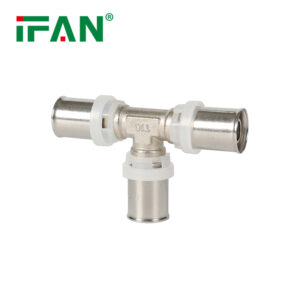
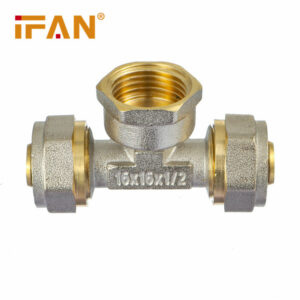
When it comes to plumbing with PEX pipe, achieving a secure, leak-free connection is critical. While crimp rings and push-fit fittings dominate the market, PEX compression fittings offer a versatile, reusable solution that eliminates the need for specialized tools or chemical adhesives. Ideal for both DIY enthusiasts and professionals, these fittings combine ease of use with long-term reliability. This guide explores how PEX compression fittings work, their advantages, and step-by-step installation techniques to help you master this essential plumbing component.
What Is a PEX Fitting?
Compression Nut: A threaded cap that tightens to secure the connection.
Compression Ring (Ferrule): A metal or plastic ring that deforms slightly when tightened, creating a watertight seal.
Compression Insert: A brass or plastic piece that fits inside the PEX tubing to prevent collapsing under pressure.
These fittings are compatible with all PEX types (A, B, or C) and work with both hot and cold water lines, making them a universal choice for residential and commercial plumbing.
How Do PEX Compression Fittings Work?
The process relies on mechanical pressure to create a seal:
Slide the compression nut onto the PEX tubing, followed by the compression ring.
Insert the brass or plastic insert into the end of the PEX pipe to reinforce it.
Push the tubing onto the fitting’s nipple until it bottoms out.
Slide the compression ring over the joint and tighten the nut with a wrench.
As the nut tightens, it compresses the ring against the tubing and fitting, forming a tight seal that resists leaks even under high pressure.
Key Benefits of PEX Compression Fittings
No Special Tools Required
Unlike crimp fittings, which need a crimping tool, or push-fit systems that require a disconnect tool, compression fittings only need basic wrenches.
Reusable and Adjustable
Tighten or loosen the nut to reposition the fitting or fix leaks without cutting the pipe. This flexibility is invaluable for trial layouts or repairs.
Versatile Compatibility
Works with PEX, copper, CPVC, or PE-RT pipes when paired with the right adapters, making it perfect for mixed-material systems.
Durable Seal
The mechanical compression creates a robust seal resistant to vibrations and temperature fluctuations, reducing the risk of failure over time.
UV and Chemical Resistance
Unlike some adhesives or soldered joints, compression fittings aren’t degraded by sunlight or harsh chemicals, ensuring longevity in outdoor or industrial settings.
Types of PEX Compression Fittings
Standard Compression Fittings
The most common type, suitable for general plumbing applications like connecting PEX to faucets, toilets, or water heaters.
Drop-Ear Compression Fittings
Feature flanged “ears” for securing the fitting to a wall or panel with screws, ideal for fixed installations like shower valves.
Angle Stop Valves
Combine a compression fitting with a shut-off valve, allowing easy control of water flow to appliances like sinks or dishwashers.
Adapter Fittings
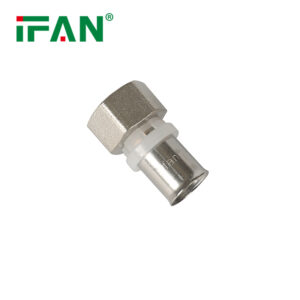
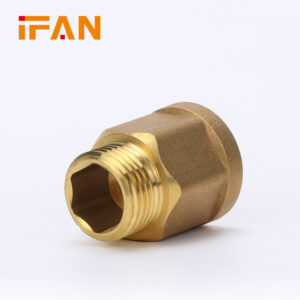
Transition between PEX and other pipe materials (e.g., PEX-to-copper adapters) using threaded or sweat connections.
Step-by-Step Installation Guide
Gather Materials:
PEX tubing
Compression fitting (nut, ring, insert)
Adjustable wrench or pipe wrench
Tube cutter or sharp knife
Cut the PEX Pipe:
Use a PEX cutter or knife to make a clean, square cut. Avoid jagged edges, which can prevent a proper seal.
Insert the Reinforcement:
Slide the brass or plastic insert into the end of the PEX pipe until it sits flush.
Assemble the Fitting:
Slide the compression nut onto the pipe, followed by the compression ring.
Push the pipe onto the fitting’s nipple until it stops.
Tighten the Connection:
Slide the compression ring over the joint.
Hand-tighten the nut, then use a wrench to tighten it an additional 1–2 turns. Avoid over-tightening, which can crack the fitting or damage the tubing.
Test for Leaks:
Turn on the water supply and inspect the joint under pressure. If leaks persist, slightly tighten the nut or recheck the insertion depth.
Pro Tip: For better grip, wrap Teflon tape around the fitting’s threads before attaching the nut (though this isn’t always necessary with modern compression fittings).
Common Mistakes to Avoid
Forgetting the Insert: Omitting the reinforcement can cause the PEX to collapse under pressure, leading to leaks.
Over-Tightening: Excessive force may strip threads or crush the compression ring, compromising the seal.
Reusing Worn Fittings: While compression fittings are reusable, damaged rings or nuts should be replaced to ensure reliability.
Ignoring Local Codes: Some regions restrict compression fittings in hidden areas (e.g., behind walls) due to inspection challenges. Always verify regulations.
Conclusion
PEX compression fittings are a reliable, user-friendly solution for creating secure plumbing connections without the need for specialized tools or chemicals. Their versatility, reusability, and compatibility with multiple pipe materials make them indispensable for both residential repairs and large-scale installations. By following proper installation techniques and avoiding common pitfalls, you can ensure leak-free performance for years to come.IFAN factory started in 1993. And IFAN has workshop 120000 square meter with 610 staff. IFAN can design and produce all plumbing pipe and fitting include PPR,PVC,CPVC PPSU HDPE PEXA PEXB PERT pipe and fitting ,brass fitting, brass ball valve ,heating system , gas system , sanitary faucets and hose, In the past 30 Years, IFAN has never forgotten his mission-To protect health and safety. And IFAN factory use best materials to produce high quality pipe and fittings with automatic production line and high tech quality control machines. The most important,IFAN can guarantee that all pipes and fittings manufactured by IFAN are qualified. More information pls feel free contact us Whatsapp.