Introduction
In modern plumbing,
PPR fitting sockets are indispensable for creating strong, leak-resistant connections between polypropylene random copolymer (PPR) pipes. Unlike threaded or glued joints, PPR sockets use heat fusion welding to merge pipes and fittings into a single, seamless unit. This ensures durability, chemical resistance, and long-term reliability in residential, commercial, and industrial water supply systems. This guide explores the types, benefits, installation steps, and maintenance tips for PPR fitting sockets, helping you achieve professional-grade plumbing results.
What Is a PPR Fitting Socket?
A
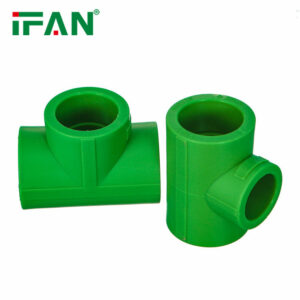
PPR fitting socket is a cylindrical connector with a socketed end designed to receive PPR pipes of the same diameter. Using socket fusion welding, the pipe is inserted into the heated socket, creating a permanent, monolithic bond without gaps or weak points. PPR sockets are available in standard angles (90°, 45°) and configurations (tees, reducers, end caps) to accommodate diverse plumbing layouts.

Types of PPR Fitting Sockets
- Standard PPR Socket
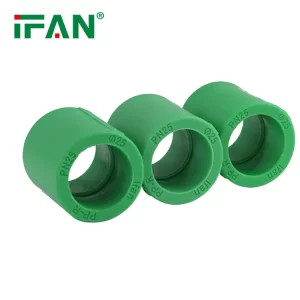
The most common type, used for straight pipe-to-pipe or pipe-to-fitting connections. Available in sizes ranging from 20mm to 110mm to match PPR pipe diameters.
- PPR Threaded Socket
Features external threads on one end for connecting to metal pipes, valves, or fixtures without welding. Ideal for mixed-material systems (e.g., PPR-to-copper transitions).
- PPR Compression Socket
Uses a compression nut and ring to create a mechanical seal, eliminating the need for heat welding. Suitable for quick repairs or temporary installations.
- PPR Electrofusion Socket
Embedded with heating coils that melt the PPR material when an electric current passes through, enabling fast, automated welding for large-scale projects.
- PPR Reducing Socket
Connects pipes of different diameters (e.g., 32mm to 25mm) while maintaining flow efficiency. Critical for systems requiring variable pipe sizes.
- PPR End Cap Socket
Seals the end of a PPR pipe to prevent debris entry or pressure loss during testing. Often used in temporary closures or system maintenance.
Key Benefits of PPR Fitting Sockets
- Leak-Proof Joints
Fusion welding creates a homogeneous bond between pipe and socket, eliminating leaks common in threaded or solvent-welded connections.
- Corrosion and Chemical Resistance
PPR material is inert to acids, salts, and chlorine, ensuring longevity in aggressive environments like industrial wastewater systems.
- High Temperature Tolerance
Withstands continuous temperatures up to 70°C (158°F) and short-term spikes to 95°C (203°F), making PPR sockets ideal for hot water lines.
- Smooth Inner Surface
The non-porous finish reduces friction and prevents scale buildup, maintaining optimal water flow and pressure over time.
- Lightweight and Easy to Install
PPR sockets are 70% lighter than metal fittings, simplifying handling and reducing labor costs during installation.
- Eco-Friendly
PPR is recyclable and free from toxic additives, ensuring safe drinking water and minimizing environmental impact.
Step-by-Step Installation Guide for PPR Fitting Sockets
- Gather Tools and Materials:
- PPR pipes and socket fitting
- Pipe cutter or hacksaw
- Deburring tool
- Socket fusion welding machine (or electrofusion welder for electrofusion sockets)
- Measuring tape, marker, and level
- Cut and Prepare Pipes:
- Measure and mark the PPR pipe at the desired length.
- Use a pipe cutter to make a clean, square cut.
- Remove burrs with a deburring tool to ensure a smooth fit.
- Dry-Fit the Components:
- Temporarily insert the pipe into the socket to check alignment and depth.
- Use a marker to indicate the insertion depth (typically 10–15mm for standard sockets).
- Heat the Socket and Pipe:
- Plug in the socket fusion machine and set it to 260°C (500°F).
- Insert the pipe end and socket into the heating plates for 5–10 seconds (adjust time based on pipe diameter).
- Join the Components:
- Quickly remove the heated parts and press the pipe fully into the socket until it reaches the marked depth.
- Hold the joint steady for 10–15 seconds to allow cooling and fusion.
- Test for Leaks:
- Once the joint cools (about 10 minutes), pressurize the system to 1.5x the operating pressure and inspect for leaks.
- If leaks occur, reheat and rejoin the connection.
Pro Tip: For compression sockets, skip the heating step and tighten the compression nut evenly with a wrench.
Common Mistakes to Avoid
- Insufficient Heating Time: Underheating prevents proper fusion, leading to weak joints.
- Overheating: Excessive heat can deform the PPR material, causing misalignment or leaks.
- Dirty Surfaces: Dust or debris on pipes or sockets interferes with fusion, creating leak paths.
- Improper Insertion Depth: Failing to insert the pipe fully into the socket results in incomplete bonding.
- Using Wrong Tools: Electrofusion sockets require specialized welders; using standard socket fusion machines will damage them.
Maintenance Tips for PPR Fitting Sockets
- Regular Inspections: Check for cracks, discoloration, or leaks, especially at joints and bends.
- Avoid Chemical Cleaners: Use mild detergents to prevent damaging the PPR surface.
- Protect from UV Exposure: If installed outdoors, shield sockets with insulation or paint to prevent UV degradation.
- Replace Damaged Sockets: Cracked or brittle fittings should be replaced immediately to avoid system failure.
Conclusion
PPR fitting sockets are a cornerstone of reliable, low-maintenance plumbing systems. Their ability to create leak-proof, corrosion-resistant joints makes them ideal for hot and cold water supply lines, chemical transport, and industrial applications. By selecting the right type of socket and following proper installation techniques, you can ensure decades of efficient, trouble-free operation. Whether you’re a DIY enthusiast or a professional plumber, mastering PPR sockets will elevate the quality and durability of your projects.
IFAN factory started in 1993. And
IFAN has workshop 120000 square meter with 610 staff.
IFAN can design and produce all plumbing pipe and fitting include PPR,PVC,CPVC PPSU HDPE PEXA PEXB PERT pipe and fitting ,brass fitting, brass ball valve ,heating system , gas system , sanitary faucets and hose, In the past 30 Years,
IFAN has never forgotten his mission-To protect health and safety. And
IFAN factory use best materials to produce high quality pipe and fittings with automatic production line and high tech quality control machines. The most important,
IFAN can guarantee that all pipes and fittings manufactured by
IFAN are qualified. More information pls feel free contact us
Whatsapp.



 PPR
PPR