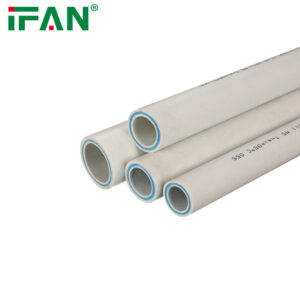
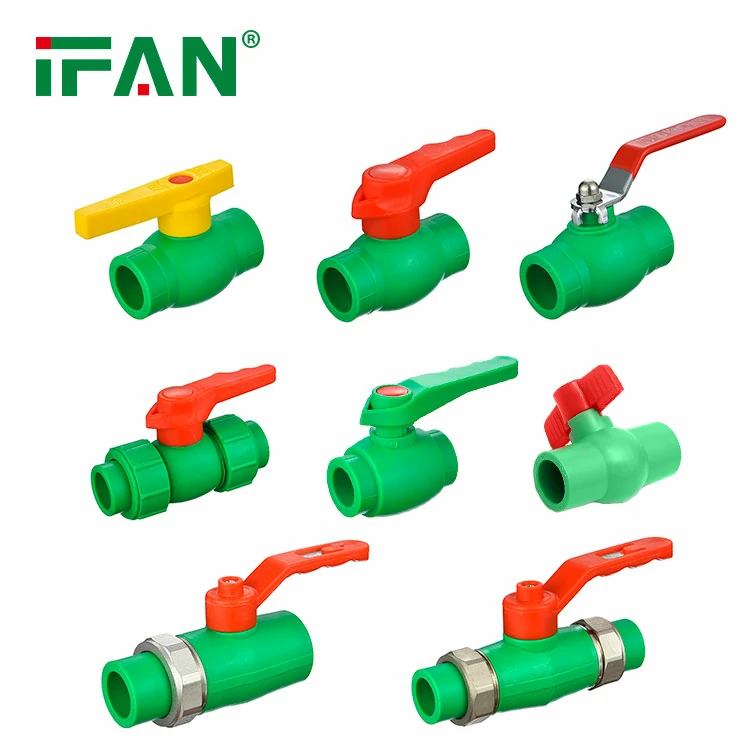


IFAN EN 15874 Plumbing Materials PPR Ball Valve
Description
The Complete Guide to PPR Ball Valves: Precision Flow Control for Modern Piping Systems
PPR ball valves represent the pinnacle of flow control technology in polypropylene random copolymer piping systems. These innovative valves combine the superior material properties of PPR with precision engineering to deliver reliable, leak-free performance in both residential and commercial applications.
Understanding PPR Ball Valve Technology
Advanced Material Composition
PPR ball valves are manufactured from high-grade Type III polypropylene random copolymer with integrated brass or stainless steel components:
Body Material: High-quality PPR (Polypropylene Random Copolymer)
Ball Mechanism: Chrome-plated brass or stainless steel
Seat Material: PTFE (Teflon) or reinforced thermoplastic
Stem Material: Brass or stainless steel with blow-out proof design
Seals: EPDM or Viton for temperature and chemical resistance
Precision Engineering Features
Full Port Design: Minimal flow restriction and pressure drop
Fire-Safe Design: Metal-to-metal secondary sealing (optional)
Anti-Static Device: Prevents static electricity buildup
Blow-Out Proof Stem: Ensures stem retention under pressure
Locking Device: Prevents unauthorized operation
Technical Specifications and Performance Standards
Pressure and Temperature Ratings
Pressure Rating: PN16 (16 bar) and PN25 (25 bar) options
Temperature Range: -40°C to +100°C continuous operation
Burst Pressure: 4x working pressure minimum
Test Pressure: 1.5x working pressure for 1 hour
PPR Ball Valves Operational Characteristics
Operation Torque: Low operating torque for easy handling
Flow Characteristics: Excellent Cv values for minimal pressure drop
Cycle Life: 10,000+ cycles minimum
Leakage Rate: Bubble-tight sealing (Class VI per MSS SP-61)
Certification and Compliance
NSF/ANSI 61: Potable water certification
ISO 15874: Plastics piping systems standard
DIN 8077/8078: German quality standards
WRAS Approval: UK water regulations compliance
CE Marking: European conformity certification
Types of PPR Ball Valves
1. Standard PPR Ball Valves
Full Port Design
Equal diameter to connecting pipe
Minimal pressure drop
Suitable for high-flow applications
Sizes: 20mm to 110mm
Standard Port Design
Compact design
Cost-effective solution
General purpose applications
Sizes: 20mm to 63mm
2. Connection Type Variations
Socket Fusion Valves
PPR socket ends for heat fusion
Permanent, leak-free connections
Most common type for PPR systems
Sizes: 20mm to 110mm
Threaded End Valves
Female or male threaded connections
For transition to other piping systems
Brass threaded inserts
Sizes: 1/2″ to 4″
Flanged End Valves
For industrial applications
ANSI or DIN flanges
Heavy-duty construction
Sizes: DN15 to DN100
3. Special Function Valves
Three-Way Ball Valves
L-port and T-port configurations
Flow diversion applications
Mixing and distribution functions
Manual or automated operation
Mini Ball Valves
Compact design for tight spaces
Instrumentation applications
Sample points and drain valves
Sizes: 15mm to 20mm
Thermostatic Mixing Valves
Temperature control function
Scald protection feature
Adjustable temperature settings
For domestic hot water systems
PPR Ball Valves Installation Methods and Best Practices
Heat Fusion Installation
Preparation Phase
Square cutting of PPR pipe
Deburring and cleaning of pipe ends
Depth marking for proper insertion
Surface cleaning and preparation
Fusion Process
Heating element temperature: 260°C ± 5°C
Simultaneous heating of valve socket and pipe
Heating time based on diameter (see manufacturer chart)
Quick, straight connection without rotation
Adequate cooling time before pressure testing
Quality Control
Visual inspection of fusion bead
Proper penetration depth verification
Alignment check
Pressure testing after installation
PPR Ball Valves Mechanical Connection Installation
Threaded Connections
Proper thread sealant application
Correct tightening torque
Alignment verification
Support installation to prevent stress
Flanged Connections
Proper gasket selection and installation
Bolt tightening sequence and torque
Alignment and support requirements
Leak testing procedure
PPR Ball Valves Applications and System Integration
Residential Plumbing Systems
Main Shut-Off Applications
Main water supply isolation
Sectional isolation valves
Fixture shut-off valves
Appliance connection valves
Specialized Residential Uses
Water heater isolation
Irrigation system control
Outdoor water supply management
Emergency shut-off points
PPR Ball Valves Commercial Building Applications
HVAC Systems
Heating circuit isolation
Cooling water control
Pump isolation valves
Heat exchanger connections
Water Distribution Networks
Zone control valves
Floor isolation valves
Equipment isolation points
Maintenance access points
Industrial Applications PPR Ball Valves
Process Control Systems
Chemical processing plants
Water treatment facilities
Industrial cooling systems
Process water management
Specialized Industrial Uses
Compressed air systems
Food processing applications
Pharmaceutical water systems
Laboratory water distribution
Operation and Maintenance
Normal Operation Procedures
Manual Operation
Smooth quarter-turn operation
Position indication (open/closed)
Handle alignment verification
Torque requirements consideration
Automated Operation
Electric actuator compatibility
Pneumatic actuator options
Control signal requirements
Position feedback systems
Maintenance Procedures
Routine Maintenance
Visual inspection for leaks
Operation smoothness check
External cleaning procedures
Lubrication requirements (if applicable)
Preventive Maintenance
Periodic operation cycling
Leak testing procedures
Stem seal inspection
Body and connection inspection
Repair Procedures
Seat and seal replacement
Stem packing adjustment
Complete overhaul process
Pressure testing after repair
Advantages of PPR Ball Valves
Technical Superiority
Excellent Flow Characteristics
Full port design minimizes pressure drop
Smooth interior surfaces reduce turbulence
Optimal Cv values for efficient flow
Low flow resistance saves energy
Reliable Sealing Performance
Bubble-tight shut-off capability
PTFE seats ensure reliable sealing
Double sealing arrangement
Fire-safe options available
Durability and Longevity
Corrosion-resistant construction
Excellent chemical resistance
UV stability for exposed applications
50+ years service life expectancy
Installation Advantages
System Compatibility
Perfect integration with PPR systems
Various connection options available
Easy installation methods
Minimal tool requirements
Space Efficiency
Compact design saves space
Lightweight construction
Flexible installation orientations
Easy access for operation
Economic Benefits
Life Cycle Cost Advantage
Lower installation costs
Minimal maintenance requirements
Long service life reduces replacement needs
Energy efficient operation
Operational Efficiency
Quick quarter-turn operation
Reliable performance reduces downtime
Easy maintenance procedures
Low operating torque
Quality Assurance and Testing
Manufacturing Quality Control
Material Certification
PPR material grade verification
Metal component certification
Seal material compatibility testing
Complete material traceability
Production Testing
100% pressure testing
Operation torque verification
Leakage rate testing
Dimensional accuracy checking
Performance Testing
Hydrostatic Testing
Shell test: 1.5x working pressure
Seat test: 1.1x working pressure
Duration: 1 minute minimum
Documentation of results
Functional Testing
Operation torque measurement
Cycle testing sampling
Temperature cycling tests
Environmental testing
Selection Guidelines
Size Selection Criteria
Flow Requirements
Flow rate calculations
Pressure drop considerations
Velocity limitations
System requirements
Pressure Considerations
Working pressure requirements
Pressure drop limitations
Surge pressure capability
Safety factors
Material Selection
Fluid Compatibility
Chemical resistance requirements
Temperature considerations
Abrasion resistance needs
UV exposure requirements
Application Requirements
Potable water certification
Industrial fluid compatibility
Special environmental conditions
Regulatory requirements
Operation Requirements
Manual Operation
Handle type selection
Locking requirements
Position indication needs
Access considerations
Automated Operation
Actuator type selection
Control signal requirements
Fail-safe requirements
Feedback needs
PPR ball valves represent the perfect combination of modern plastic piping technology and precision flow control engineering. Their exceptional durability, reliable performance, and easy installation make them the ideal choice for flow control in PPR piping systems across residential, commercial, and industrial applications.
IFAN factory started in 1993. And IFAN has workshop 120000 square meter with 610 staff. IFAN can design and produce all plumbing pipe and fitting include PPR,PVC,CPVC PPSU HDPE PEXA PEXB PERT pipe and fitting ,brass fitting, brass ball valve ,heating system , gas system , sanitary faucets and hose, In the past 30 Years, IFAN has never forgotten his mission-To protect health and safety. And IFAN factory use best materials to produce high quality pipe and fittings with automatic production line and high tech quality control machines. The most important,IFAN can guarantee that all pipes and fittings manufactured by IFAN are qualified. More information pls feel free contact us Whatsapp.
Related products

 PPR
PPRPRR Elbow
- PPR
IFAN PPR Valve