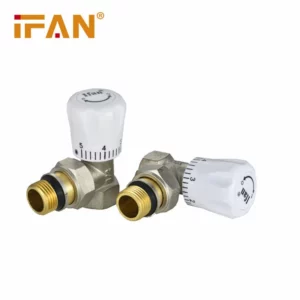
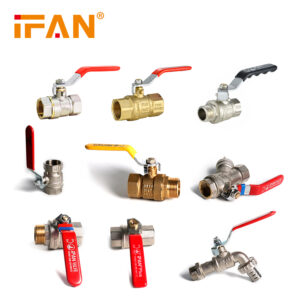
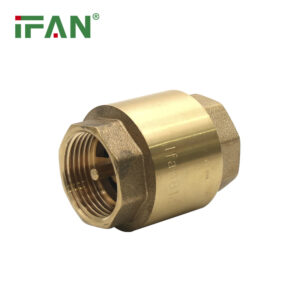
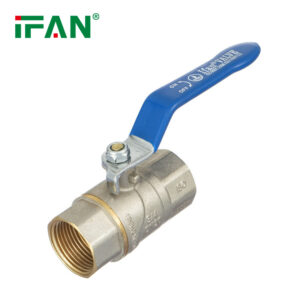
Brass valves are indispensable components in fluid control systems, widely used in industries ranging from plumbing and HVAC to automotive and manufacturing. Renowned for their durability, corrosion resistance, and versatility, they outperform many alternatives in demanding environments. This guide explores the types, applications, benefits, and maintenance of valves, helping you make informed decisions for your projects.
What Are Brass Valves?
Brass valves are flow control devices manufactured from brass, an alloy primarily composed of copper and zinc. This combination grants brass its exceptional strength, malleability, and resistance to corrosion, making it ideal for regulating liquids and gases. Available in various designs, it cater to specific pressure, temperature, and flow rate requirements.
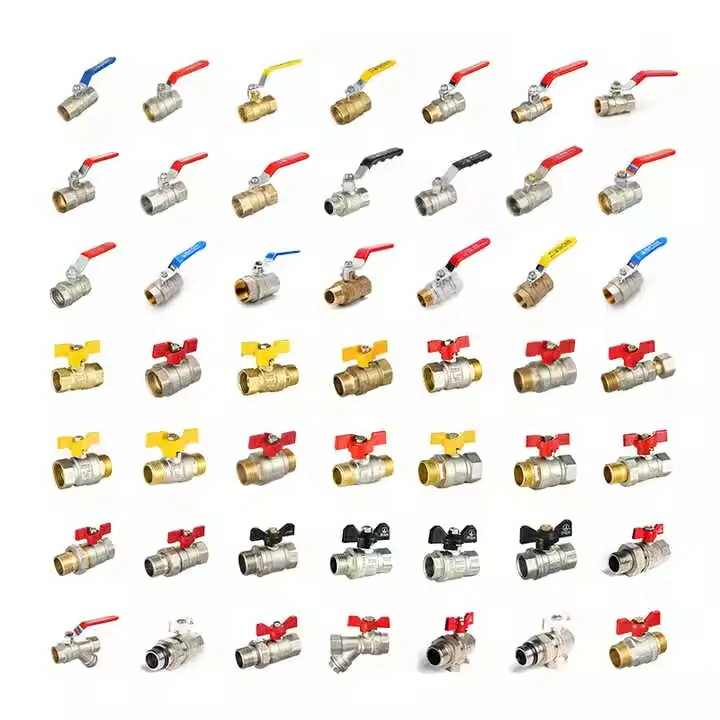
Types of Brass Valves
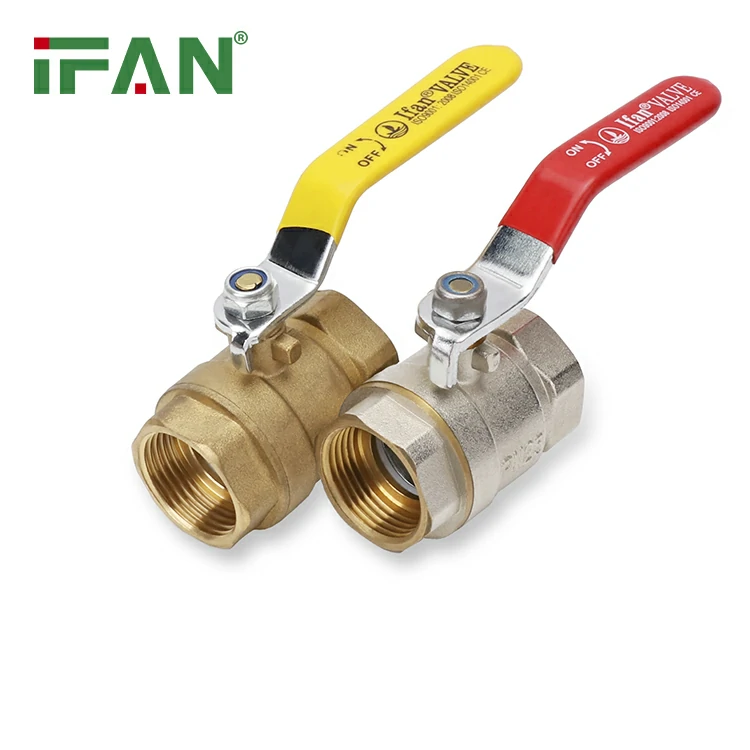
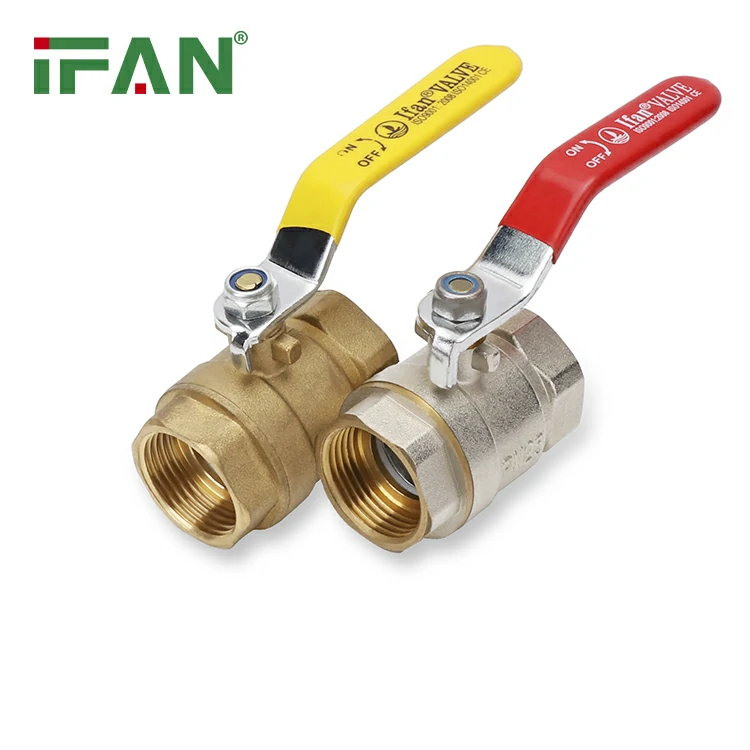
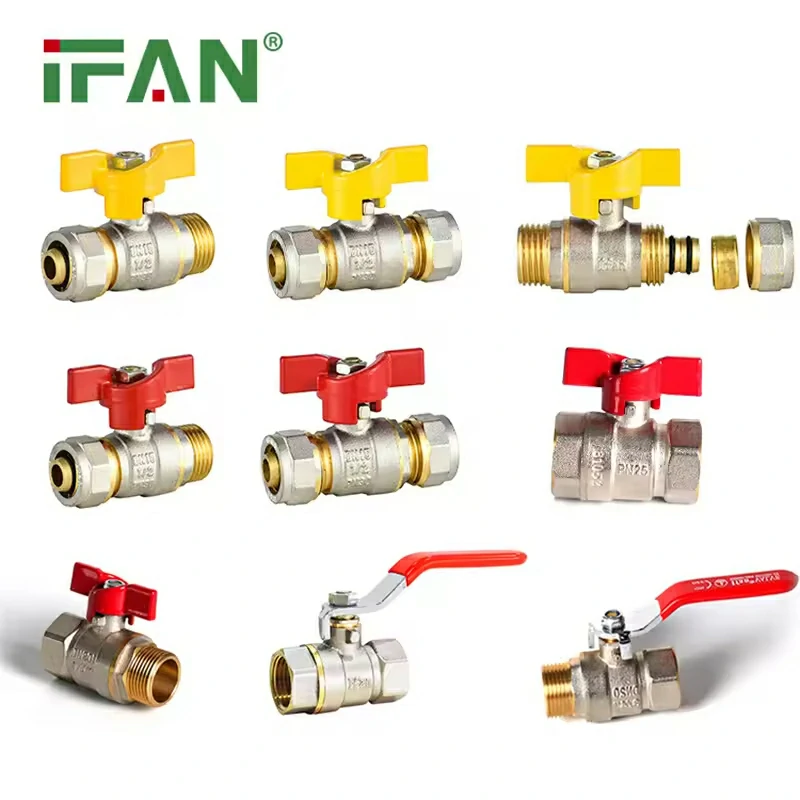
Brass Ball Valves
Function: Use a rotating ball with a bore to control flow.
Applications: Water supply lines, gas systems, and industrial pipelines.
Advantages: Quick quarter-turn operation, minimal pressure drop, and leak-proof sealing.
Brass Gate Valves
Function: Open or close flow via a sliding gate.
Applications: Low-pressure systems like residential plumbing and irrigation.
Advantages: Durable, cost-effective, and suitable for on/off control.
Brass Globe Valves
Function: Regulate flow using a movable disk and stationary ring seat.
Applications: High-precision systems like heating and cooling loops.
Advantages: Precise throttling capabilities and leak resistance.
Applications: Pumps, compressors, and water heaters.
Advantages: Simple design, low maintenance, and automatic operation.
Brass Solenoid Valves
Function: Electromechanically control flow using a solenoid coil.
Applications: Automated systems like washing machines and medical devices.
Advantages: Fast response time and compatibility with remote control.
Key Benefits of Brass Valves
Corrosion Resistance
Brass’s copper content forms a protective oxide layer, preventing rust and extending lifespan in wet or chemical-rich environments.
Thermal Stability
Brass withstands temperatures from -20°C to 180°C, making it suitable for both cold and hot water systems.
High Durability
Resistant to cracking and deformation, brass valves maintain performance under high pressure and frequent use.
Easy Maintenance
Brass’s non-porous surface resists mineral buildup, reducing the need for frequent cleaning.
Cost-Effectiveness
While slightly pricier than plastic valves, brass valves offer superior longevity, reducing long-term replacement costs.
Common Applications of Brass Valves
Residential Plumbing: Water heaters, faucets, and toilet cisterns.
Industrial Piping: Oil and gas transportation, chemical processing.
HVAC Systems: Radiators, boilers, and air conditioning units.
Automotive: Fuel lines, cooling systems, and hydraulic brakes.
Agriculture: Irrigation systems and fertilizer dispensers.
Choosing the Right Brass Valve
Selecting the optimal brass valve involves evaluating:
Flow Requirements: High-flow systems need ball or gate valves; precision control demands globe valves.
Pressure Ratings: Ensure the valve’s PSI tolerance matches your system.
Temperature Range: Verify compatibility with extreme heat or cold.
Connection Type: Threaded, flanged, or compression fittings for seamless integration.
Installation and Maintenance Tips
Installation
Use Teflon tape or thread sealant on threaded connections to prevent leaks.
Align valves correctly to avoid stress on the body.
Maintenance
Inspect for leaks or corrosion annually.
Lubricate moving parts (e.g., ball valve stems) with silicone-based grease.
Replace worn seals or O-rings promptly.
Conclusion
Brass valves combine reliability, efficiency, and versatility, making them a preferred choice across industries. By understanding their types, benefits, and applications, you can optimize system performance and minimize downtime. For long-lasting results, prioritize high-quality them and adhere to regular maintenance schedules.IFAN factory started in 1993. And IFAN has workshop 120000 square meter with 610 staff. IFAN can design and produce all plumbing pipe and fitting include PPR,PVC,CPVC PPSU HDPE PEXA PEXB PERT pipe and fitting ,brass fitting, brass ball valve ,heating system , gas system , sanitary faucets and hose, In the past 30 Years, IFAN has never forgotten his mission-To protect health and safety. And IFAN factory use best materials to produce high quality pipe and fittings with automatic production line and high tech quality control machines. The most important,IFAN can guarantee that all pipes and fittings manufactured by IFAN are qualified. More information pls feel free contact us Whatsapp.

 Brass Valve