PEX AL PEX Pipe: The Complete Guide to Features ISO 21003
Description
Introduction
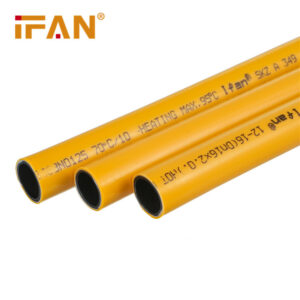
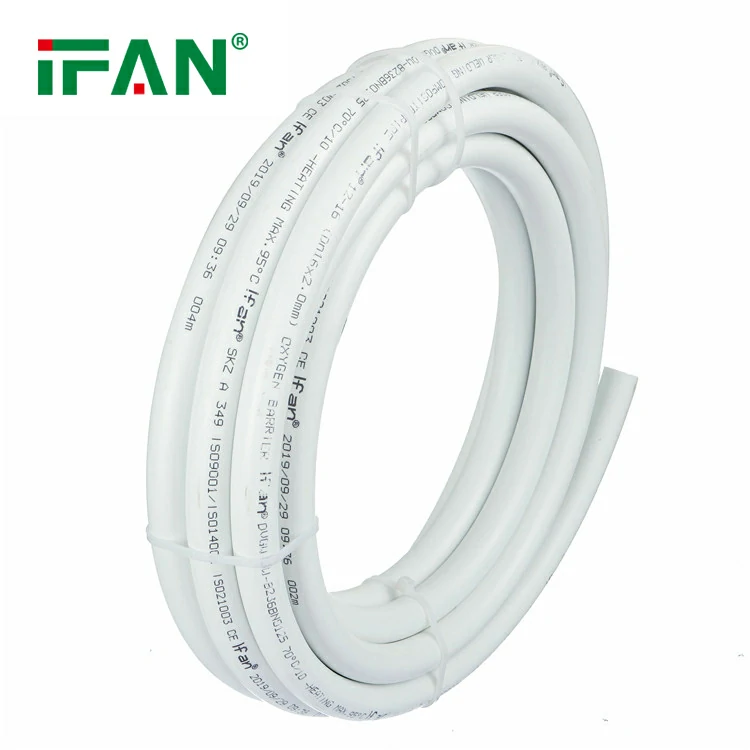
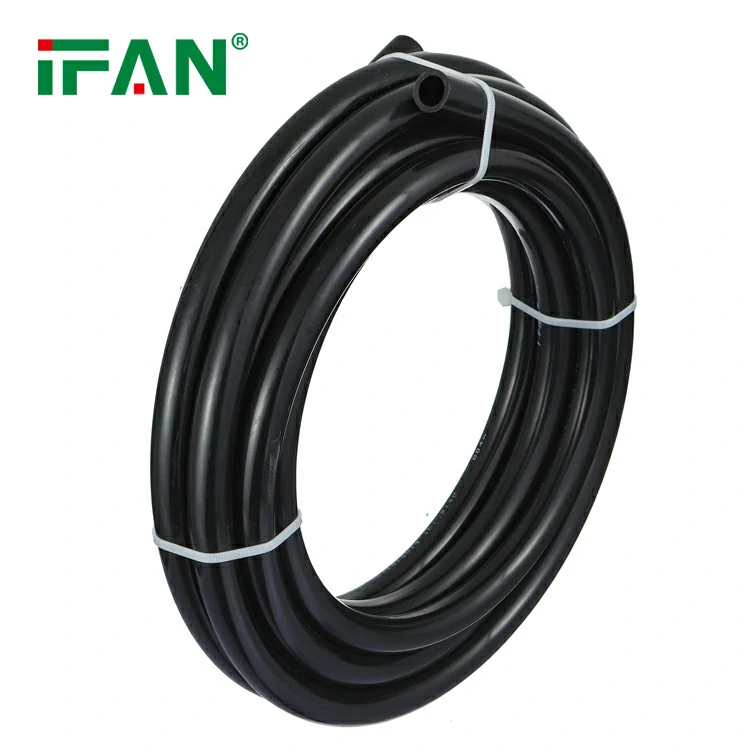
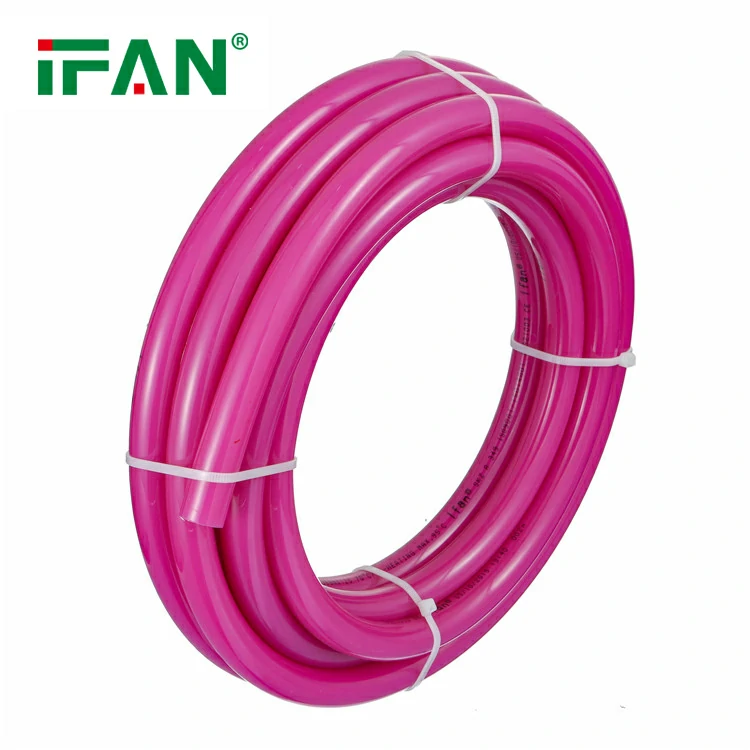
PEX AL PEX Pipe is a hybrid piping solution that combines the flexibility of cross-linked polyethylene (PEX) with the strength and stability of an aluminum core. This innovative design makes it a top choice for modern plumbing, radiant heating, and industrial applications. In this guide, we’ll dive into its composition, benefits, use cases, installation techniques, and comparisons with other piping materials. Whether you’re upgrading a residential system or designing a commercial project, understanding PEX AL PEX Pipe can help you achieve efficiency and longevity.
What Is PEX AL PEX Pipe?
PEX AL PEX Pipe consists of three layers:
Inner PEX Layer: Provides smooth water flow and chemical resistance.
Aluminum Core: Adds rigidity, prevents oxygen permeation, and maintains shape under temperature changes.
Outer PEX Layer: Protects the aluminum from corrosion and physical damage.
This structure eliminates the need for additional oxygen barriers, a common requirement in standard PEX systems, while offering superior durability.
Key Advantages of PEX AL PEX Pipe
Oxygen Resistance
The aluminum core acts as a 100% oxygen barrier, preventing rust in hydronic heating systems and extending the lifespan of boilers and pumps.
Thermal Stability
Unlike pure PEX, which expands and contracts significantly with temperature changes, PEX AL PEX retains its shape, reducing stress on fittings and joints.
Flexibility and Ease of Installation
The pipe bends easily around corners, minimizing the need for elbow fittings. This reduces installation time and potential leak points.
Corrosion and Chemical Resistance
Resistant to acids, chlorine, and scale buildup, it ensures clean water delivery and low maintenance.
UV Resistance
The outer PEX layer protects against sunlight degradation, making it suitable for both indoor and outdoor applications when properly insulated.
Cost Efficiency
Lower material and labor costs compared to copper, combined with a 50+ year lifespan, make it a budget-friendly long-term solution.
Common Applications
Radiant Floor Heating
Ideal for underfloor heating systems due to its even heat distribution and oxygen-blocking properties.
Potable Water Supply
Safe for drinking water, it’s used in residential and commercial plumbing for hot and cold water lines.
Snow Melting Systems
Installed beneath driveways or sidewalks to prevent ice formation, leveraging its freeze-resistant design.
Industrial Piping
Used in chemical processing, compressed air systems, and fire sprinklers where durability and pressure resistance are critical.
Geothermal Heating
Withstands varying underground temperatures, making it suitable for geothermal loop installations.
Installation Best Practices
Tools Required:
PEX cutter or rotary tube cutter
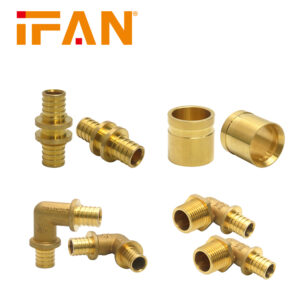
Compression or crimp fittings
Deburring tool
Calibration tool (for crimp rings)
Pipe supports or clamps
Steps:
Measure and Cut
Use a sharp PEX cutter to make clean, square cuts. Avoid crushing the pipe ends.
Deburr and Clean
Smooth rough edges with a deburring tool to ensure a proper seal. Wipe the pipe clean of debris.
Insert Fittings
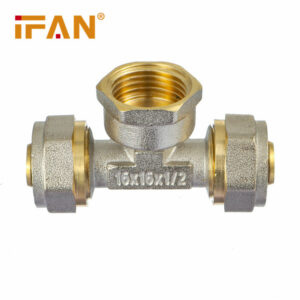
Slide a compression nut and olive (for compression fittings) or a crimp ring onto the pipe. Push the fitting into the pipe until it seats fully.
Secure Connections
For compression fittings: Tighten the nut by hand or with a wrench.
For crimp fittings: Use a crimping tool to compress the ring evenly. Verify alignment with a go/no-go gauge.
Test the System
Pressurize the system to 1.5x the maximum operating pressure (e.g., 90 PSI for a 60 PSI system) and hold for 24 hours. Check for leaks.
Pro Tips:
Avoid exposing the pipe to temperatures below -40°F (-40°C) without insulation.
Use manufacturer-approved fittings to prevent compatibility issues.
Support vertical runs every 3–4 feet to prevent sagging.
PEX AL PEX vs. Other Piping Materials
PEX AL PEX vs. Standard PEX
Standard PEX requires an additional oxygen barrier (e.g., EVOH coating) for heating systems, whereas PEX AL PEX integrates this into its design.
PEX AL PEX vs. Copper
Copper is rigid and prone to corrosion in acidic water, while PEX AL PEX is flexible, corrosion-resistant, and easier to install. However, copper may be preferred in high-temperature industrial settings.
PEX AL PEX vs. PPR (Polypropylene Random Copolymer)
PPR is rigid and suitable for static systems, while PEX AL PEX’s flexibility simplifies installations in tight spaces.
Maintenance and Lifespan
PEX AL PEX Pipe requires minimal maintenance. Inspect for visible damage or leaks annually, especially at joints. Avoid using abrasive cleaners or exposing it to petroleum-based products. With proper installation, it can last over 50 years, outperforming many traditional materials.
Environmental Impact
Manufactured with fewer resources than copper, PEX AL PEX Pipe has a lower carbon footprint. Its longevity also reduces waste, aligning with sustainable building practices.
Conclusion
PEX AL PEX Pipe offers a winning combination of durability, flexibility, and efficiency for plumbing and heating systems. Its oxygen-resistant aluminum core, ease of installation, and cost savings make it a smart choice for residential, commercial, and industrial projects. By following best practices and selecting quality components, users can enjoy reliable performance for decades.IFAN factory started in 1993. And IFAN has workshop 120000 square meter with 610 staff. IFAN can design and produce all plumbing pipe and fitting include PPR,PVC,CPVC PPSU HDPE PEXA PEXB PERT pipe and fitting ,brass fitting, brass ball valve ,heating system , gas system , sanitary faucets and hose, In the past 30 Years, IFAN has never forgotten his mission-To protect health and safety. And IFAN factory use best materials to produce high quality pipe and fittings with automatic production line and high tech quality control machines. The most important,IFAN can guarantee that all pipes and fittings manufactured by IFAN are qualified. More information pls feel free contact us Whatsapp.

 Compression Fitting