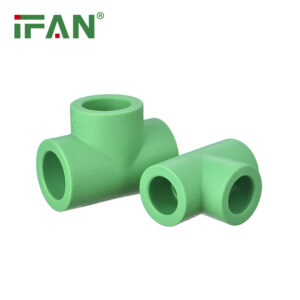
PPR Fitting Socket: A Comprehensive Guide to Installation
Description
Introduction
PPR fitting sockets are essential components in modern plumbing systems, designed to connect polypropylene random copolymer (PPR) pipes securely and efficiently. Known for their heat-fusion compatibility, durability, and cost-effectiveness, PPR sockets are widely used in residential, commercial, and industrial piping networks. This guide explores their types, benefits, installation best practices, and maintenance tips to help you optimize your plumbing projects.
What Is a PPR Fitting Socket?
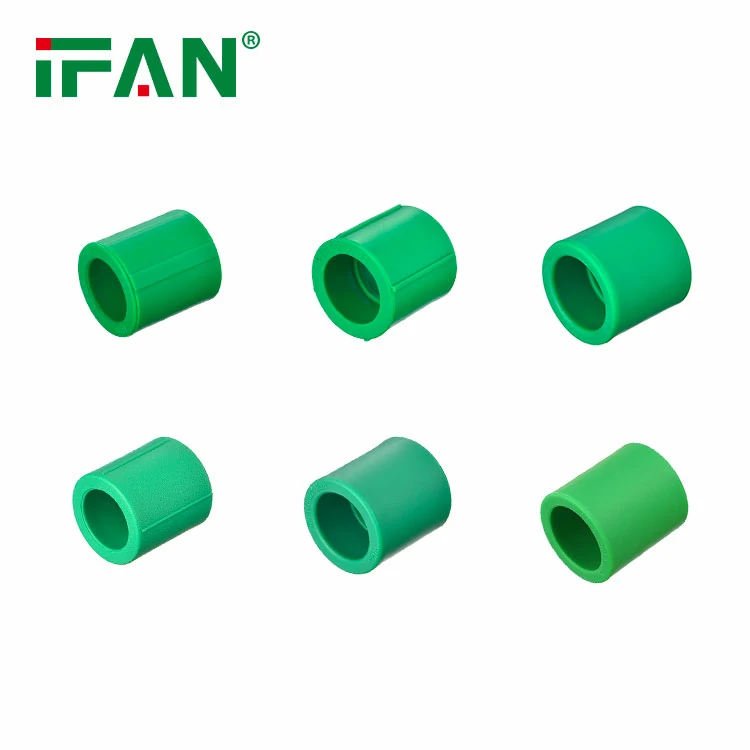
A PPR fitting socket (also called a PPR coupling or sleeve) is a cylindrical connector used to join two PPR pipes of the same diameter. Made from Type 3 PPR material, these sockets are engineered to withstand high temperatures and pressures while maintaining leak-proof seals. Key features include:
Heat-Fusion Capability: Melted using a soldering iron or heat gun to create a permanent, monolithic bond with PPR pipes.
Corrosion Resistance: Unaffected by chemicals, acids, or salts, ensuring longevity in aggressive environments.
Smooth Interior: Reduces friction and prevents scaling, maintaining optimal water flow.
Lightweight Design: Easy to handle and install compared to metal alternatives like brass or steel.
Temperature Tolerance: Withstands temperatures from -20°C to 95°C, suitable for hot and cold water systems.
Types of PPR Fitting Sockets
Standard PPR Socket
The most common type, used to connect two straight PPR pipes end-to-end. Available in diameters ranging from 20mm to 110mm.
Reducing PPR Socket
Features two ports of different sizes (e.g., 32mm x 25mm) to connect pipes with varying diameters without additional adapters.
Threaded PPR Socket
Combines a PPR body with male or female threads on one end, allowing connection to metal fixtures like taps, valves, or water meters.
Compression PPR Socket
Uses a rubber O-ring and locking nut to create a seal without heat fusion, ideal for temporary installations or repairs.
Electrofusion PPR Socket
Embedded with heating wires that melt the socket and pipe when activated by an electrofusion machine, ensuring a flawless bond in complex systems.
Key Applications
Residential Plumbing
Connect pipes in sinks, showers, toilets, and water heaters. PPR sockets are preferred for their noise-free operation and resistance to chlorine in municipal water supplies.
Commercial HVAC Systems
Link chilled water lines, condensate drains, and boiler feed pipes in office buildings, hotels, and hospitals.
Industrial Piping
Transport chemicals, steam, or compressed air in factories, laboratories, and food processing plants.
Underfloor Heating
Distribute hot water evenly beneath floors in residential and commercial spaces, leveraging PPR’s thermal efficiency.
Irrigation Systems
Connect drip lines and sprinkler pipes in agricultural fields or landscaped gardens, ensuring leak-free performance.
Advantages Over Traditional Materials
Longevity: PPR sockets last 50+ years with minimal maintenance, outperforming PVC (which becomes brittle) and copper (which corrodes).
Cost-Effective: Lower material and labor costs compared to metal fittings, especially in large-scale projects.
Environmentally Friendly: 100% recyclable and free from toxic substances like lead or phthalates.
Quick Installation: Heat-fusion joints take 10–15 seconds to set, reducing labor time versus threaded or glued connections.
Low Thermal Expansion: PPR expands less than PEX, minimizing the risk of pipe movement or joint failure.
Installation Guide: Step-by-Step Process
Cut Pipes Cleanly
Use a PPR pipe cutter to make a straight, burr-free cut. Avoid hacksaws, which can create jagged edges.
Mark Insertion Depth
Measure the socket’s depth and mark the pipe with a marker to ensure full insertion.
Dry-Fit Components
Temporarily assemble the socket and pipes to check alignment before heating.
Heat the Socket and Pipe
Use a PPR heat gun (260–270°C) or soldering iron to heat both the socket interior and pipe end evenly for 5–10 seconds.
Fuse the Joint
Quickly insert the pipe into the socket until it reaches the marked depth. Hold for 5 seconds to allow cooling.
Pressure Test
After installation, conduct a hydrostatic test at 1.5x the system’s operating pressure for 30 minutes to verify no leaks.
Maintenance and Safety Tips
Avoid Direct Sunlight: Prolonged UV exposure can degrade PPR. Use UV-resistant paint or insulation for outdoor installations.
Prevent Freezing: Insulate pipes in cold climates to avoid cracking from ice expansion.
Check for Leaks Annually: Inspect joints for moisture or discoloration, especially in high-pressure systems.
Use Compatible Tools: Only heat PPR sockets with certified tools to prevent overheating (which weakens the material).
Label Connections: Use tags to identify hot/cold water lines or chemical transport pipes for future maintenance.
Conclusion
PPR fitting sockets are a reliable, efficient, and eco-friendly solution for connecting PPR pipes in diverse plumbing applications. Their heat-fusion technology, corrosion resistance, and affordability make them superior to traditional materials like copper or PVC. By following proper installation techniques—such as precise cutting, even heating, and pressure testing—professionals and DIYers can create durable, leak-proof systems that require minimal upkeep. Whether for residential renovations or industrial projects, PPR sockets offer unmatched performance and longevity.IFAN factory started in 1993. And IFAN has workshop 120000 square meter with 610 staff. IFAN can design and produce all plumbing pipe and fitting include PPR,PVC,CPVC PPSU HDPE PEXA PEXB PERT pipe and fitting ,brass fitting, brass ball valve ,heating system , gas system , sanitary faucets and hose, In the past 30 Years, IFAN has never forgotten his mission-To protect health and safety. And IFAN factory use best materials to produce high quality pipe and fittings with automatic production line and high tech quality control machines. The most important,IFAN can guarantee that all pipes and fittings manufactured by IFAN are qualified. More information pls feel free contact us Whatsapp.



 PPR
PPR PPR
PPR