PPR Fitting Ball Valve: The Complete Guide to Performance, Installation
Description
Introduction
A PPR fitting ball valve is a hybrid plumbing component that combines the lightweight, corrosion-resistant properties of PPR (polypropylene random copolymer) pipes with the durability and reliability of a brass or stainless steel ball valve. Designed for high-temperature and high-pressure applications, these valves are widely used in residential hot water systems, commercial heating, and industrial chemical transport. Unlike traditional metal valves, PPR fitting ball valves feature heat-fusible PPR sockets, enabling leak-proof connections without threading or soldering. This guide explores their features, applications, installation steps, and maintenance tips to help you make informed decisions for your plumbing projects.
What Is a PPR Fitting Ball Valve?
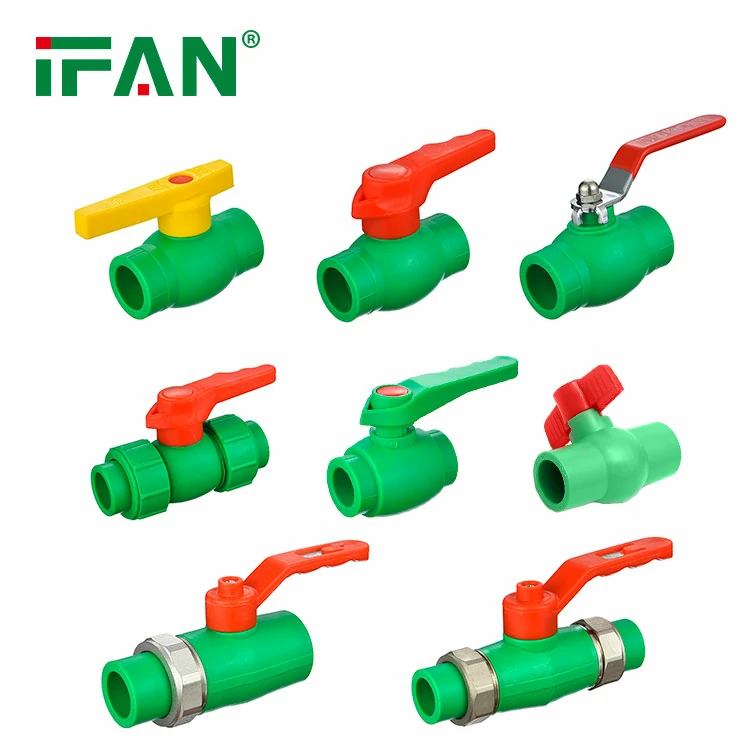
A PPR fitting ball valve consists of a metal ball (usually brass or stainless steel) inside a PPR body or with PPR-ended fittings. The ball rotates 90 degrees to open or close water flow, controlled by a lever handle. The PPR ends are engineered for socket fusion welding, creating a monolithic joint with PPR pipes that resists leaks, chemicals, and corrosion. This design makes them superior to threaded plastic valves in high-stress environments and more cost-effective than all-metal valves in moderate-temperature systems.
Key Features of PPR Fitting Ball Valves
High-Temperature Resistance
Unlike PVC or PEX valves, PPR fitting ball valves withstand up to 95°C (203°F), making them suitable for hot water lines, boilers, and solar thermal systems.
Corrosion and Chemical Resistance
The PPR body resists acids, alkalis, and salts, while the brass/stainless steel ball ensures long-term durability in hard water or industrial fluids.
Leak-Proof Heat Fusion Connections
PPR sockets fuse with pipes using heat welding tools, eliminating threaded joints that often fail under pressure or vibration.
Full-Bore Design
The ball’s large aperture matches the pipe’s inner diameter, minimizing pressure drop and improving flow efficiency in heating systems.
Quick Quarter-Turn Operation
A 90-degree turn of the lever fully opens or closes the valve, ideal for emergency shutoffs or frequent adjustments.
Lightweight and Easy to Install
Weighing less than all-metal valves, PPR fitting ball valves are simpler to handle and require no specialized soldering or threading tools.
Types of PPR Fitting Ball Valves
Manual PPR Ball Valve
Operated by a lever handle, this is the most common type for residential and commercial plumbing. Available in 1/2″ to 4″ sizes.
Electric Actuated PPR Ball Valve
Features a motorized actuator for remote or automated control, used in industrial processes, irrigation, or HVAC systems.
PPR Thermostatic Ball Valve
Integrates a temperature sensor to regulate hot water flow, ensuring safe output temperatures (e.g., 38°C for showers).
PPR 3-Way Ball Valve
Diverts flow between two outlets with a single valve, useful for mixing hot/cold water or redirecting chemical streams.
PPR Mini Ball Valve
Compact design for tight spaces, such as under sinks or behind appliances, without sacrificing flow capacity.
Primary Applications
Residential Hot Water Systems
Controls water flow to showers, dishwashers, and washing machines, where temperatures often exceed 60°C.
Solar Water Heating
Regulates fluid circulation in solar collectors and storage tanks, withstanding stagnation temperatures up to 120°C.
Underfloor Heating
Manages glycol or water flow in radiant heating loops, ensuring even heat distribution without leaks.
Industrial Piping
Handles corrosive chemicals (e.g., detergents, solvents) in food processing, textile dyeing, or pharmaceutical plants.
Fire Protection Systems
Provides reliable shutoff in sprinkler systems, where PPR’s heat resistance complements metal valves’ pressure tolerance.
Advantages Over Alternative Valves
Hybrid Durability: PPR bodies resist chemicals, while metal balls handle high temperatures and pressure.
Cost-Effective: Cheaper than stainless steel valves but more reliable than all-plastic PPR valves in extreme conditions.
Easier Installation: Heat fusion eliminates threading errors and reduces labor time versus soldering copper valves.
Aesthetic Appeal: White PPR bodies with chrome-plated brass handles offer a clean, professional look in visible installations.
Installation Guide: Step-by-Step Process
Cut PPR Pipes Squarely
Use a rotary cutter to ensure clean, perpendicular cuts. Deburr edges with sandpaper to prevent damage during fusion.
Mark Insertion Depth
Measure the valve’s PPR socket depth (typically 10–15mm) and mark pipes with a permanent marker for alignment.
Heat the Fitting and Pipe
Preheat a socket fusion tool to 260°C. Heat the valve’s socket and pipe end for 6–10 seconds (follow manufacturer guidelines).
Join Components
Quickly insert the pipe into the socket until it reaches the marked depth. Hold for 5–10 seconds to cool and solidify.
Test for Leaks
Open the valve and pressurize the system to 1.5x the working pressure (e.g., 15 bar for a 10-bar system). Inspect joints for drips.
Label Valves
Use tags to indicate function (e.g., “Hot Water Inlet” or “Drain Valve”) for future maintenance.
Maintenance and Safety Tips
Lubricate Moving Parts: Apply silicone-based grease to the ball and stem annually to prevent sticking.
Avoid Over-Tightening: Excessive force can crack the PPR body or damage the ball’s seal.
Inspect Seals: Replace worn O-rings or gaskets in thermostatic or actuated valves to maintain precise control.
Flush the System: Periodically open valves fully to clear debris and prevent clogging.
Store Properly: Keep unused valves in a cool, dry place away from direct sunlight to prevent UV degradation of PPR.
Conclusion
PPR fitting ball valves are a smart choice for plumbing systems requiring metal-grade performance with PPR’s leak-proof installation. Their ability to handle high temperatures, corrosive fluids, and frequent operation makes them ideal for hot water lines, solar heating, and industrial chemical transport. By selecting the right type (e.g., manual valves for homes or actuated valves for factories) and following proper installation techniques—such as precise heating, alignment, and pressure testing—professionals can ensure decades of reliable service. Whether upgrading a residential boiler or designing a commercial piping network, these valves offer unmatched versatility and safety.IFAN factory started in 1993. And IFAN has workshop 120000 square meter with 610 staff. IFAN can design and produce all plumbing pipe and fitting include PPR,PVC,CPVC PPSU HDPE PEXA PEXB PERT pipe and fitting ,brass fitting, brass ball valve ,heating system , gas system , sanitary faucets and hose, In the past 30 Years, IFAN has never forgotten his mission-To protect health and safety. And IFAN factory use best materials to produce high quality pipe and fittings with automatic production line and high tech quality control machines. The most important,IFAN can guarantee that all pipes and fittings manufactured by IFAN are qualified. More information pls feel free contact us Whatsapp.



 PPR
PPR PPR
PPR