PPR Pipe and Fitting: The Complete Guide to Modern Plumbing Systems
Introduction to PPR Technology
Polypropylene Random Copolymer (PPR) pipes and fittings have revolutionized modern plumbing systems worldwide. These innovative components combine advanced polymer technology with practical installation benefits, creating reliable and durable plumbing solutions for both residential and commercial applications.
PPR Pipe Specifications
Material Composition
PPR pipes are manufactured from high-grade Type III polypropylene random copolymer, specifically formulated for pressure piping systems. This material offers:
Excellent thermal resistance (-40°C to +100°C)
Superior chemical resistance
High impact strength
Long-term hydrostatic strength
Standard Dimensions and Ratings
Size Range: 20mm to 160mm diameters
Pressure Ratings: PN10, PN16, PN20, PN25
Standard Lengths: 4m straight lengths
SDR Series: SDR6, SDR7.4, SDR11
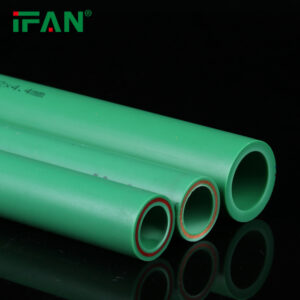
Color Coding: Green stripe (cold water), red stripe (hot water)
PPR Fitting Types and Applications
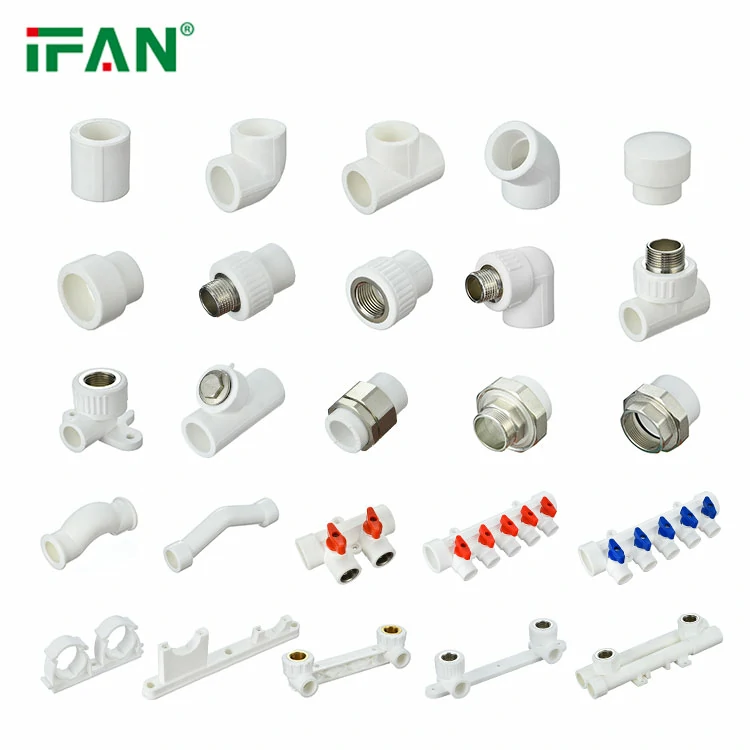
Connection Fittings
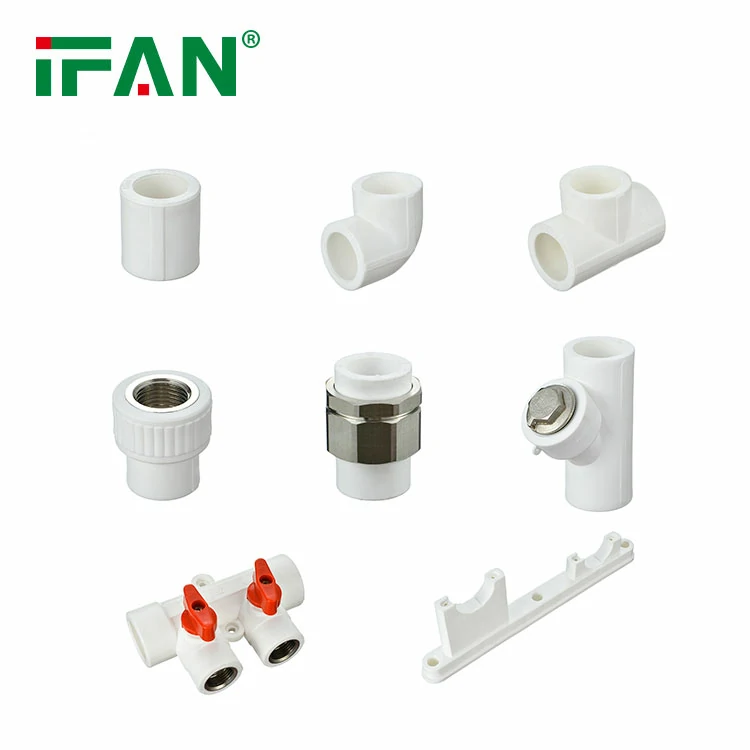
Couplings: Straight and reducing types for pipe connections
Adaptors: Threaded and flanged versions for system transitions
Union Fittings: Demountable connections for maintenance access
Directional Fittings
Elbows: 90° and 45° angles for direction changes
Bends: Long and short radius for flow optimization
Returns: 180° bends for system routing
Branch Fittings
Tees: Equal and reducing types for branch connections
Crosses: Four-way connections for distribution points
Laterals: Angled branch connections
Special Purpose Fittings
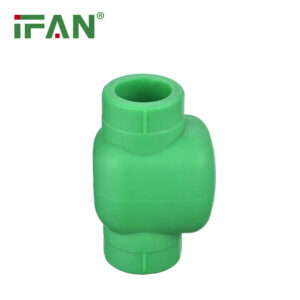
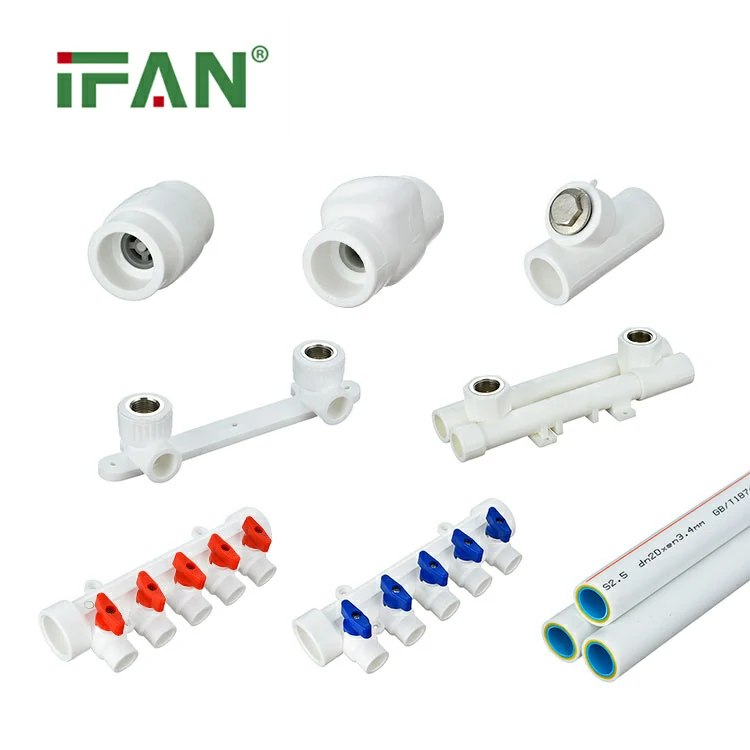
Valves: Ball valves, stop valves, and check valves
Repair Fittings: Couplings and repair sleeves
Expansion Fittings: Compensation for thermal movement
Technical Advantages
Performance Characteristics
Service Life: 50+ years operational expectancy
Pressure Capacity: Up to 25 bar at 20°C
Thermal Stability: Excellent resistance to thermal cycling
Chemical Resistance: Suitable for wide pH range applications
Corrosion Resistance: Immune to electrolytic and chemical corrosion
Installation Benefits
Lightweight Construction: Easy handling and transportation
Flexible Installation: Adaptable to various layouts and configurations
Low Maintenance: Minimal upkeep requirements
Time Efficiency: Rapid installation compared to traditional materials
Installation Methods
Heat Fusion Welding
Socket Fusion Technique
Pipe end preparation (cutting and deburring)
Heating using dual-plate welding equipment
Connection and alignment while molten
Cooling and joint stabilization
Electrofusion Method
Integrated heating elements in fittings
Automated welding process
Consistent, reliable results
Ideal for repairs and confined spaces
Mechanical Connections
Press Systems: Tool-activated connections
Threaded Adaptors: For transition to other systems
Flanged Connections: For industrial applications
Quality Standards and Certification
International Standards
ISO 15874: Plastics piping systems for hot and cold water installations
DIN 8077/8078: Polypropylene pipe and fitting standards
ASTM F2389: Standard specification for pressure-rated polypropylene pipe
NSF/ANSI 61: Drinking water system components certification
Quality Assurance
Material testing and certification
Dimensional accuracy verification
Hydrostatic pressure testing
Long-term performance validation
Batch traceability and quality control
Applications and Uses
Residential Applications
Potable water distribution systems
Hot and cold water supply networks
Radiant floor heating systems
Compressed air applications
Commercial Applications
High-rise building water systems
Hospital and healthcare facilities
Hotel and hospitality water distribution
Institutional plumbing systems
Industrial Applications
Chemical processing plants
Industrial water treatment systems
Food and beverage processing
Pharmaceutical water systems
Maintenance and Service Life
Routine Maintenance
Periodic visual inspections
Pressure testing at regular intervals
System flushing when required
Component replacement as needed
Expected Performance
Design Life: 50 years minimum
Maintenance Frequency: Minimal requirements
Repair Methodology: Simple cut-and-replace techniques
System Upgrades: Easy integration and expansion
Environmental Considerations
Sustainability Features
Recyclability: Fully recyclable material
Energy Efficiency: Low thermal conductivity reduces heat loss
Manufacturing Impact: Lower energy consumption than metal alternatives
Long Service Life: Reduced resource consumption over time
Health and Safety
Potable Water Safety: NSF/ANSI 61 certified
Non-Toxic: No heavy metal leaching
Hygienic: Smooth surfaces resist bacterial growth
Fire Performance: Self-extinguishing properties
PPR pipes and fittings represent the modern standard for reliable, efficient plumbing systems. Their combination of technical excellence, installation efficiency, and long-term performance makes them the preferred choice for professionals worldwide. Whether for new construction, renovation, or specialized applications, PPR technology delivers outstanding results while supporting sustainable building practices through its recyclability and energy-efficient performance.
IFAN factory started in 1993. And IFAN has workshop 120000 square meter with 610 staff. IFAN can design and produce all plumbing pipe and fitting include PPR,PVC,CPVC PPSU HDPE PEXA PEXB PERT pipe and fitting ,brass fitting, brass ball valve ,heating system , gas system , sanitary faucets and hose, In the past 30 Years, IFAN has never forgotten his mission-To protect health and safety. And IFAN factory use best materials to produce high quality pipe and fittings with automatic production line and high tech quality control machines. The most important,IFAN can guarantee that all pipes and fittings manufactured by IFAN are qualified. More information pls feel free contact us Whatsapp.
Related products
 PPR
PPRPPR Fittings