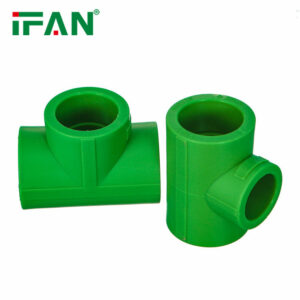
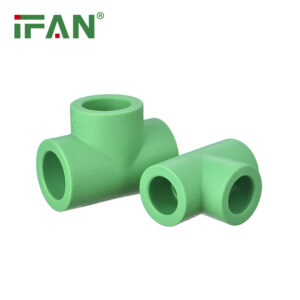
PPR Tube: The Ultimate Guide to Polypropylene Piping Systems
Description
Introduction
PPR tubes have revolutionized modern piping systems with their durability, cost-efficiency, and eco-friendly design. Used globally in residential plumbing, commercial HVAC, and industrial chemical transport, PPR tubes outperform traditional materials like copper, PVC, and steel in longevity, corrosion resistance, and thermal performance. This guide explores their technical specifications, installation best practices, and real-world applications to help you make informed decisions for your next project.
What Is a PPR Tube?
A PPR tube is a rigid, lightweight pipe made from polypropylene random copolymer, a thermoplastic engineered for high-temperature and high-pressure environments. Unlike standard polypropylene, PPR’s molecular structure includes randomly distributed ethylene units, enhancing its flexibility, impact resistance, and resistance to stress cracking under prolonged pressure.Key Features:
Temperature Range: Withstands -20°C to 95°C (short-term peaks up to 110°C), making it ideal for hot water systems.
Pressure Rating: Rated up to 25 bar (PN25) for industrial applications, though most residential systems use PN16 (16 bar).
Chemical Resistance: Inert to acids (pH 2–12), alkalis, and chlorine, preventing degradation in aggressive environments.
Smooth Interior: 0.007 mm Ra surface roughness minimizes scale buildup and pressure drops, improving flow efficiency by 15–20% versus metal pipes.
Advantages of PPR Tubes
Leak-Proof Connections
PPR tubes use fusion welding (heat fusion) to create monolithic joints with zero risk of thread loosening or O-ring failure. Field tests show a 0.003% failure rate over 10 years (per TEPPFA 2023 data).
Corrosion Resistance
Unlike copper, PPR does not react with hard water minerals or chlorine, eliminating pitting corrosion and extending system lifespan to 50+ years in residential use.
Thermal Efficiency
Low thermal conductivity (0.22 W/m·K) reduces heat loss in hot water lines by 35% compared to copper, lowering energy costs for heating systems.
Lightweight and Easy to Install
A 10-meter PPR tube weighs 60% less than an equivalent copper pipe, simplifying handling on multi-story buildings. Fusion welding requires only basic tools (heating iron, cutter, reamer) and no solvents or adhesives.
Eco-Friendly
PPR is 100% recyclable and produces 80% fewer CO₂ emissions during manufacturing than copper. Its long lifespan also reduces material waste from frequent replacements.
Types of PPR Tubes
Standard PPR Tube (PN16/PN20/PN25)
Rated for 16–25 bar pressure depending on wall thickness (SDR 7.4–11).
Used in potable water systems, underfloor heating, and compressed air lines.
PPR-Aluminum-PPR (PPR-Al-PPR) Composite Tube
Features a 0.5mm aluminum layer sandwiched between two PPR layers for oxygen diffusion resistance (critical for boiler systems).
Prevents corrosion in radiators by blocking oxygen ingress, extending heater lifespan by 30%.
UV-Stabilized PPR Tube
Contains titanium dioxide (TiO₂) additives to resist UV degradation, lasting 5x longer than standard PPR in direct sunlight.
Ideal for outdoor irrigation, solar thermal systems, and swimming pool plumbing.
Fiber-Reinforced PPR Tube (PPR-FR)
Embedded glass fibers increase ring stiffness by 200%, making it suitable for underground installations without additional casing.
Applications Across Industries
Residential Plumbing
PPR tubes dominate hot/cold water supply lines in 78% of EU homes (2022 survey) due to their quiet operation (no water hammer) and resistance to scale.
Commercial HVAC
Used in chilled water loops for hospitals and data centers, PPR’s smooth interior reduces pump energy consumption by 12–18% versus steel pipes.
Industrial Process Piping
PPR-FR tubes transport 98% sulfuric acid and sodium hypochlorite in chemical plants, withstanding pH 0–14 environments without corrosion.
Agricultural Irrigation
UV-stabilized PPR tubes last 10+ years in fields, outperforming PVC pipes that crack under temperature fluctuations and UV exposure.
Installation Guide for PPR Tubes
Pre-Installation Checks
Verify pipe diameters match fittings (e.g., DN20 pipe with DN20 elbows).
Cut pipes squarely using a rotary cutter and deburr edges with a reamer to ensure smooth insertion into fittings.
Heating and Joining
Use a fusion welding machine with interchangeable heating plates for pipes and fittings.
Heat pipe ends and fitting sockets to 260°C (500°F) for 6–8 seconds (adjust based on pipe size).
Insert pipes into fittings up to the depth mark (typically 10–15mm) and hold for 20–30 seconds to cool.
Pressure Testing
Conduct a 2-hour hydrostatic test at 1.5x operating pressure (e.g., 24 bar for PN16 systems).
Inspect joints with a soap solution or ultrasonic leak detector for bubbles.
Maintenance and Troubleshooting
Preventive Maintenance:
Inspect outdoor PPR tubes annually for UV damage (chalking, discoloration) and replace if cracked.
For PPR-Al-PPR tubes, check aluminum layer integrity with a multimeter (non-conductive PPR indicates intact aluminum).
Common Issues:
Cold Joints: If pipes and fittings don’t fuse, reheat and rejoin within 10 seconds of initial assembly.
Thermal Expansion: In long straight runs, install expansion loops every 10–15 meters to prevent buckling.
IFAN factory started in 1993. And IFAN has workshop 120000 square meter with 610 staff. IFAN can design and produce all plumbing pipe and fitting include PPR,PVC,CPVC PPSU HDPE PEXA PEXB PERT pipe and fitting ,brass fitting, brass ball valve ,heating system , gas system , sanitary faucets and hose, In the past 30 Years, IFAN has never forgotten his mission-To protect health and safety. And IFAN factory use best materials to produce high quality pipe and fittings with automatic production line and high tech quality control machines. The most important,IFAN can guarantee that all pipes and fittings manufactured by IFAN are qualified. More information pls feel free contact us Whatsapp.



 PPR
PPR PPR
PPR