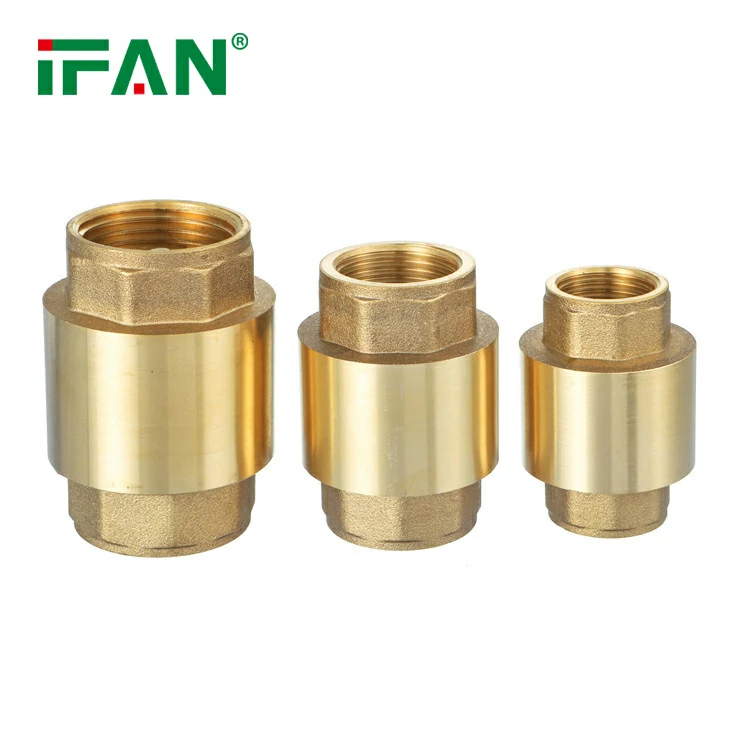
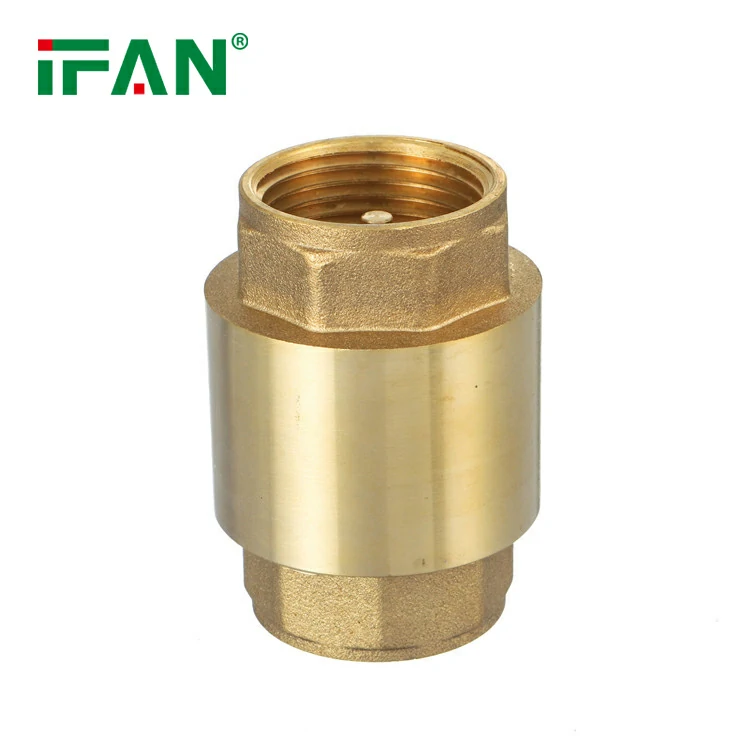
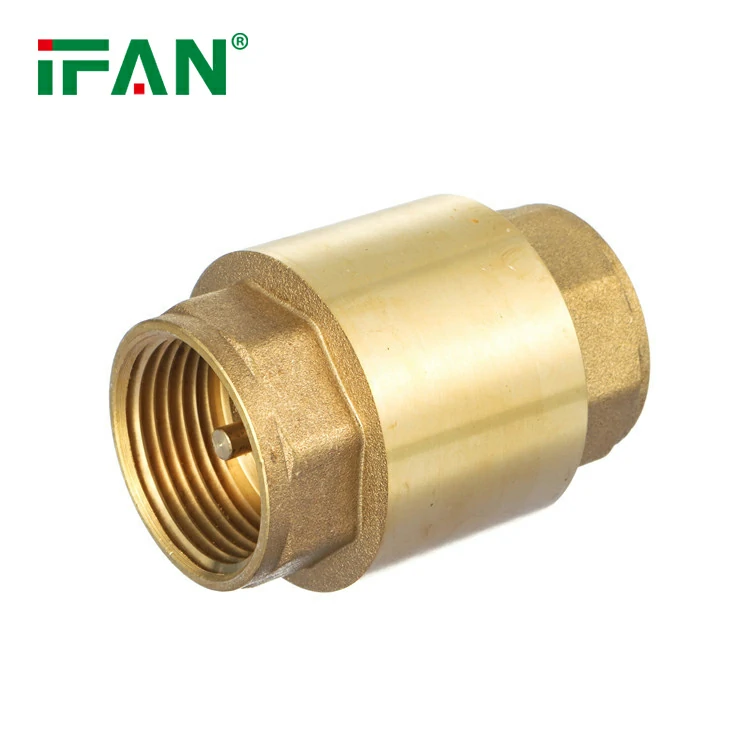
The Complete Guide to Brass Check Valves: Essential Backflow Prevention
Fluid systems require reliable protection against reverse flow that can cause damage, contamination, or system failure. Brass check valves provide a robust solution for preventing backflow in plumbing, heating, and industrial applications. These essential components automatically allow fluid flow in one direction while preventing reverse flow, ensuring system integrity and safety. Whether you’re working on water supply systems, irrigation, or industrial processes, understanding brass check valves is crucial for designing reliable fluid systems.
The fundamental purpose of check valves is to protect equipment, prevent contamination, and maintain system efficiency. Brass construction offers excellent corrosion resistance and durability, making these valves suitable for various applications. Moreover, their automatic operation requires no manual intervention, providing continuous protection against reverse flow. Consequently, brass check valves have become indispensable components in numerous residential, commercial, and industrial systems.
This comprehensive guide examines brass check valves from multiple perspectives, covering design types, installation techniques, selection criteria, and maintenance considerations to help you make informed decisions for your projects.
Understanding Brass Check Valves
Brass check valves are mechanical devices designed to permit fluid flow in one direction while automatically preventing flow reversal. These valves utilize various internal mechanisms—such as swing checks, spring-assisted designs, or lift checks—that respond to flow pressure to open and close. Manufactured from high-quality dezincification-resistant brass, these valves withstand corrosion and provide long service life in water-based systems.
The automatic operation occurs through pressure differentials: forward flow pressure opens the valve, while reverse flow or pressure drop causes immediate closure. This failsafe design ensures continuous protection without requiring manual operation or external power sources. Most brass check valves feature compact designs suitable for confined spaces and include threaded connections for easy installation in existing piping systems.
Key Advantages of Brass Check Valves
The brass construction and check valve design offer numerous significant benefits:
Automatic Operation: Self-actuating without manual intervention
Backflow Prevention: Protects against contamination and damage
Corrosion Resistance: DZR brass withstands water corrosion
Durable Construction: Withstands high pressures and temperatures
Low Pressure Drop: Efficient designs minimize flow restriction
Maintenance-Free: Long service life with minimal upkeep
Versatile Applications: Suitable for various fluids and systems
Easy Installation: Standard threaded connections simplify installation
Types of Brass Check Valves
Different designs suit specific application requirements:
Swing Check Valves
Design: Hinged disc that swings open with flow pressure
Applications: Horizontal pipelines with consistent flow
Features: Full port design, low pressure drop
Spring Check Valves
Design: Spring-assisted closure for quick response
Applications: Vertical or horizontal installations
Features: Prevents water hammer, versatile orientation
Lift Check Valves
Design: Piston-like disc that lifts with flow pressure
Applications: High-pressure systems
Features: Positive sealing, durable construction
Ball Check Valves
Design: Ball that moves away from seat with flow
Applications: Viscous fluids, slurries
Features: Simple design, reliable operation
Professional Installation Guidelines
Proper installation ensures optimal performance and longevity:
Preparation Phase:
System Assessment: Determine flow direction and valve orientation
Location Selection: Choose accessible location for maintenance
Pipe Preparation: Clean threads and remove debris
Valve Inspection: Check for damage and proper operation
Installation Process:
Flow Direction: Ensure arrow points in direction of flow
Thread Sealing: Apply appropriate sealant to male threads
Hand Tightening: Start threads by hand to prevent cross-threading
Final Tightening: Use appropriate tools without over-tightening
Support: Provide adequate piping support near valve
Testing: Conduct system pressure test before operation
Orientation Considerations:
Swing Checks: Must be installed horizontally
Spring Checks: Suitable for any orientation
Lift Checks: Require specific orientation per manufacturer specs
Selection Considerations
Key factors for optimal valve selection:
Flow Requirements: Minimum flow pressure for valve operation
Pressure Rating: Suitable for system operating pressure
Temperature Range: Compatible with fluid temperature
Connection Type: Thread size and standard (NPT, BSP)
Valve Size: Appropriate for pipe diameter and flow rate
Application Type: Water, gas, or chemical service
Certifications: NSF/ANSI 61 for potable water applications
Material Quality: DZR brass for corrosion resistance
Technical Specifications
Pressure Rating: 150-300 PSI (standard applications)
Temperature Range: -20°F to 350°F (-29°C to 177°C)
Size Range: ¼” to 2″ diameters
Materials: Dezincification-Resistant Brass (DZR)
End Connections: NPT, BSPP, BSPT threads
Cracking Pressure: 0.5-5 PSI (depending on design)
Frequently Asked Questions
Q: Can brass check valves be installed vertically?
A: Spring-assisted check valves can be installed vertically; swing checks require horizontal installation.
Q: What is water hammer and how do check valves prevent it?
A: Water hammer is pressure surge caused by sudden flow stoppage. Spring check valves close quickly to prevent this.
Q: Are brass check valves suitable for potable water?
A: Yes, when certified to NSF/ANSI 61 standards.
Q: How often do check valves require maintenance?
A: Most require minimal maintenance, but periodic inspection is recommended.
Q: Can check valves be repaired?
A: Some designs allow component replacement; others require complete valve replacement.
Common Applications
Essential for numerous scenarios:
Water Supply Systems: Preventing backflow in main lines
Boiler Systems: Protecting against reverse flow
Irrigation Systems: Maintaining direction in sprinkler systems
Industrial Processes: Ensuring proper flow direction
Pump Protection: Preventing backflow through pumps
Heating Systems: Maintaining circulation direction
Maintenance Best Practices
Ensure long-term performance and reliability:
Regular Testing: Periodically verify proper operation
Visual Inspection: Check for leaks or corrosion
Flow Testing: Ensure proper opening and closing
System Flushing: Remove debris that could affect operation
Record Keeping: Document installation and maintenance dates
Replacement Planning: Schedule replacement based on service life
Conclusion: Essential Flow Protection
Brass check valves provide critical protection against backflow, ensuring system safety and efficiency. Their automatic operation, durable construction, and reliable performance make them essential components in numerous fluid systems. Furthermore, their versatility and ease of installation make them suitable for various applications from residential plumbing to industrial processes.
By selecting quality brass check valves and following proper installation practices, you ensure system reliability, prevent contamination, and protect equipment from damage. Therefore, careful consideration of application requirements and proper installation techniques becomes crucial for optimal system performance. Ultimately, these components represent a valuable investment in system integrity and safety.
IFAN factory started in 1993. And IFAN has workshop 120000 square meter with 610 staff. IFAN can design and produce all plumbing pipe and fitting include PPR,PVC,CPVC PPSU HDPE PEXA PEXB PERT pipe and fitting ,brass fitting, brass ball valve ,heating system , gas system , sanitary faucets and hose, In the past 30 Years, IFAN has never forgotten his mission-To protect health and safety. And IFAN factory use best materials to produce high quality pipe and fittings with automatic production line and high tech quality control machines. The most important,IFAN can guarantee that all pipes and fittings manufactured by IFAN are qualified. More information pls feel free contact us Whatsapp.
Related products
 Ball Valve
IFAN Brass Ball Valve
- Ball Valve
IFAN Brass Ball Valve
- Ball Valve
Brass Ball Valve
- Ball Valve
IFAN Brass Ball Valve