
UPVC Pipe Fittings: Durable, Corrosion-Resistant Solutions for Modern Plumbing Systems
Introduction
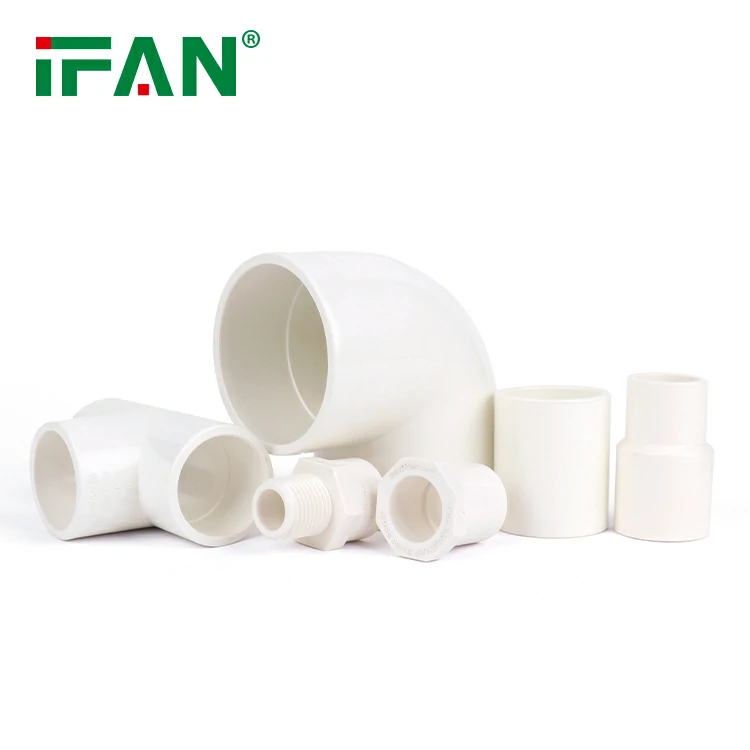
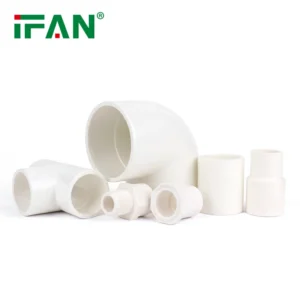
Unplasticized Polyvinyl Chloride (UPVC) pipe fittings have become a cornerstone of modern plumbing and industrial piping systems due to their exceptional durability, chemical resistance, and cost-effectiveness. Unlike traditional metal pipes, UPVC fittings require minimal maintenance and offer a longer lifespan, making them ideal for a wide range of applications, from residential water supply to industrial chemical transport.
Key Features of UPVC Pipe Fittings
- Superior Corrosion Resistance
UPVC is inherently resistant to acids, alkalis, salts, and most organic solvents, eliminating the need for costly coatings or linings. This makes it perfect for transporting aggressive fluids in chemical processing, wastewater treatment, and agricultural irrigation. - High Mechanical Strength
- Pressure Ratings: Available in PN10 (1.0 MPa), PN16 (1.6 MPa), and PN20 (2.0 MPa) classes to suit varying pressure demands.
- Impact Resistance: Withstands mechanical stress during installation and operation, reducing the risk of cracks or leaks.
- Temperature Tolerance: Safe for use at temperatures up to 60°C (short-term) and 45°C (continuous), suitable for cold/hot water systems.
- Hygiene & Safety
UPVC is non-toxic and compliant with global drinking water standards (e.g., DIN 8079, GB/T18998.2-2003), ensuring safe water delivery in municipal networks and residential buildings. - Lightweight & Easy Installation
Weighing just 1/5th of steel pipes, UPVC fittings simplify transportation and handling. They connect via solvent cementing or threaded joints, enabling rapid assembly without specialized tools.
Common Types of UPVC Pipe Fittings
- Connection Fittings
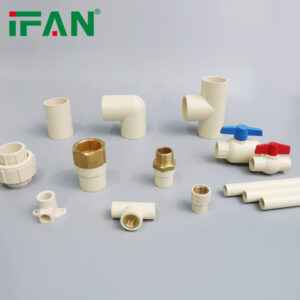
- Unions: Allow disassembly for maintenance or component replacement.
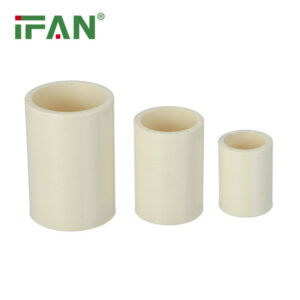
- Couplings: Include straight, repair, and expansion types for seamless pipe joining.
- Flanges: Provide bolted connections to equipment like pumps and tanks.
- Directional Fittings
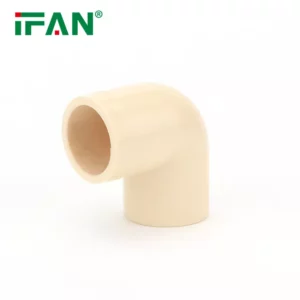
- Elbows (45°/90°): Optimize pipeline routing while minimizing flow resistance.
- Long Sweep Elbows: Feature gradual bends for low-pressure-drop applications (e.g., drainage systems).
- Branching Fittings
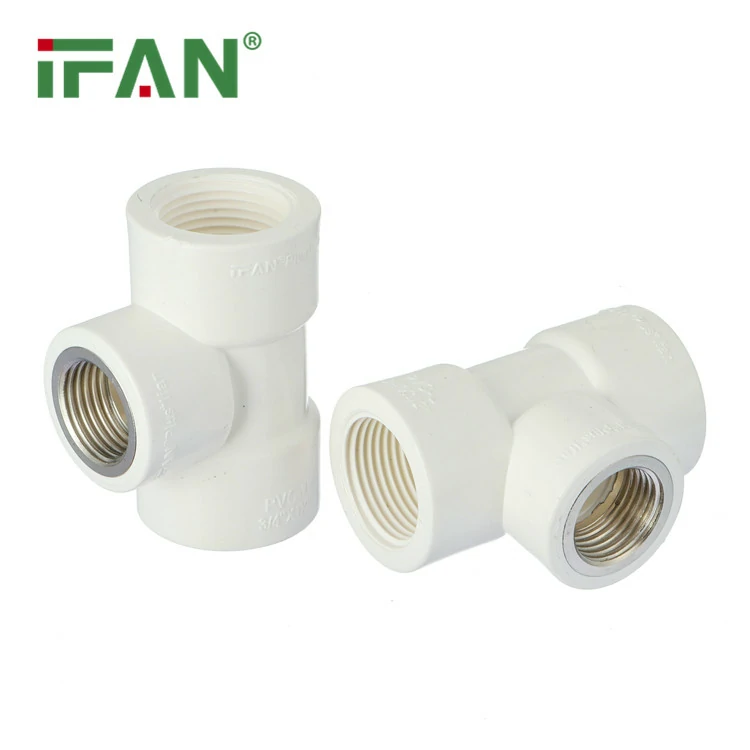
- Tees (Equal/Reducing): Split flow into multiple directions, commonly used in water distribution networks.
- Cross Fittings: Enable four-way connections for complex piping layouts.
- Specialized Fittings
- Check Valves: Prevent backflow to protect pumps and meters.
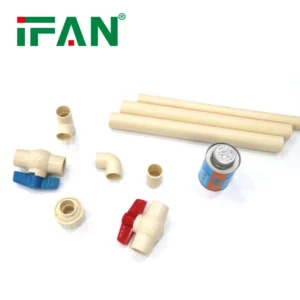
- Ball Valves: Offer quick on/off control with minimal pressure loss.
- Air Vents: Automatically release trapped air to maintain system efficiency.
Primary Applications
- Municipal Water Supply & Drainage
UPVC’s longevity and leak resistance make it ideal for underground water mains and sewer networks, reducing replacement costs for cities. - Industrial Fluid Handling
Used in chemical plants, electroplating facilities, and pharmaceutical factories to transport corrosive liquids safely. - Agricultural Irrigation
Lightweight and UV-resistant, UPVC pipes endure outdoor conditions while delivering water efficiently to crops. - Building Ventilation & Drainage
Smooth internal surfaces prevent clogging, and noise-dampening properties enhance indoor comfort.
Advantages Over Metal Pipes
| Feature | UPVC Pipes | Metal Pipes (Steel/Copper) |
|---|---|---|
| Corrosion Resistance | Excellent (no rusting) | Poor (requires coatings) |
| Weight | Lightweight | Heavy (high installation cost) |
| Lifespan | 40–50 years | 15–30 years (in corrosive environments) |
| Maintenance | Minimal | Frequent inspections needed |
| Environmental Impact | Recyclable, low energy production | High carbon footprint |
Installation & Maintenance Tips
- Cutting & Joining
- Use a fine-tooth saw for clean cuts and deburr edges to avoid damaging seals.
- Apply solvent cement evenly and assemble quickly to prevent bubbles.
- Support & Fixing
Install pipe clamps every 1.5 meters to prevent sagging, especially in large-diameter or hot-water systems. - Temperature Management
Avoid proximity to heat sources (e.g., boilers) to prevent material degradation. - Regular Inspections
Check connections every 5 years for leaks or deformation, ensuring long-term reliability.
Conclusion
UPVC pipe fittings offer a sustainable, low-maintenance alternative to traditional piping materials, combining durability with ease of installation. Their versatility across industries—from safe drinking water delivery to harsh industrial environments—makes them a smart investment for infrastructure projects worldwide.
IFAN factory started in 1993. And IFAN has workshop 120000 square meter with 610 staff. IFAN can design and produce all plumbing pipe and fitting include PPR,PVC,CPVC PPSU HDPE PEXA PEXB PERT pipe and fitting ,brass fitting, brass ball valve ,heating system , gas system , sanitary faucets and hose, In the past 30 Years, IFAN has never forgotten his mission-To protect health and safety. And IFAN factory use best materials to produce high quality pipe and fittings with automatic production line and high tech quality control machines. The most important,IFAN can guarantee that all pipes and fittings manufactured by IFAN are qualified. More information pls feel free contact us Whatsapp.
Related products

- CPVC ASTM2846
CPVC Socket Fittings
- PVC
IFAN PVC Glue
- CPVC ASTM2846
IFANPLUS CPVC Pipe Fitting