

PPR Plumbing Materials and Pipe Fittings
Description
PPR Plumbing Materials and Pipe Fittings
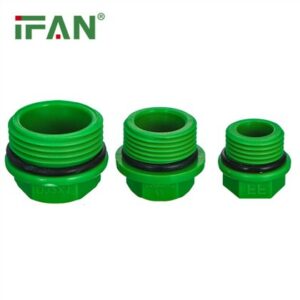
PPR pipe fittings have revolutionized the plumbing industry with their exceptional durability, corrosion resistance, and installation efficiency. These polypropylene random copolymer fittings represent the gold standard for hot and cold water distribution systems, offering superior performance and longevity compared to traditional metal piping systems.
Understanding PPR Pipe Fitting Technology
Advanced Material Science
PPR pipe fittings are manufactured from high-grade Type III polypropylene random copolymer, specifically engineered for pressurized plumbing applications:
Thermal Performance: Operates efficiently from -40°C to +100°C
Pressure Capacity: Rated for PN20 (20 bar) and PN25 (25 bar) systems
Chemical Resistance: Immune to corrosion, scaling, and chemical degradation
Service Life: 50+ years of reliable performance in plumbing systems
Health Safety: Lead-free and certified for potable water applications (NSF/ANSI 61)
Precision Manufacturing Process
The production of PPR pipe fittings involves state-of-the-art manufacturing techniques:
Injection Molding: Computer-controlled precision molding ensures perfect dimensional accuracy
Quality Assurance: Each fitting undergoes rigorous pressure testing and inspection
Material Certification: Complies with international standards including ISO 15874 and DIN 8077/8078
Surface Quality: Hydraulically smooth interiors minimize flow resistance and pressure drop
Color Coding: Standard green stripe for cold water, red stripe for hot water applications
Comprehensive Range of PPR Pipe Fittings
1. Connection Fittings
PPR Couplings
Equal diameter couplings for straight connections
Reducing couplings for pipe size transitions
Full-bore design maintains optimal flow efficiency
Available sizes: 20mm to 160mm diameters
PPR Adapters
Threaded adapters for connecting to other piping systems
Flange adapters for industrial applications
Compression adapters for mixed material systems
Universal transition fittings for comprehensive compatibility
2. Directional Change Fittings
PPR Elbows
90° elbows for right-angle direction changes
45° elbows for gradual direction adjustments
Reinforced design at stress points
Optimized flow characteristics with smooth radius bends
PPR Bends
Long-radius bends for minimal flow resistance
Short-radius bends for space-constrained installations
Precision-molded for consistent flow performance
Enhanced mechanical strength for durability
3. Branch Connection Fittings
PPR Tee Fittings
Equal tees for balanced flow distribution
Reducing tees for controlled branch connections
Lateral tees for specific angle requirements
Reinforced branch connections for long-term reliability
PPR Cross Fittings
Four-way distribution points for complex systems
Equal cross fittings for uniform flow distribution
Reducing cross configurations for varied flow requirements
Heavy-duty construction for demanding applications
4. Special Purpose Fittings
PPR Valves
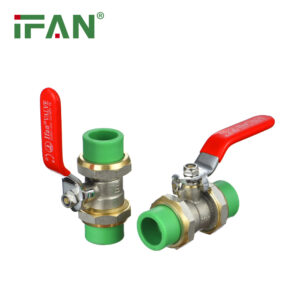
Ball valves with PPR connections for full flow control
Stop valves for section isolation and maintenance
Check valves for backflow prevention
Thermostatic mixing valves for temperature regulation
Repair and Maintenance Fittings
Repair couplings for quick system repairs
Split repair clamps for emergency situations
Access fittings for maintenance points
Modification adapters for system upgrades
Technical Specifications and Performance Standards
Pressure and Temperature Ratings
PPR pipe fittings deliver exceptional performance under various conditions:
PN20 Rating: 20 bar at 20°C, 10 bar at 70°C
PN25 Rating: 25 bar at 20°C, 13 bar at 70°C
Maximum Temperature: 100°C for intermittent operation
Minimum Temperature: -40°C without brittleness
Burst Pressure: 3-4 times working pressure rating
Thermal Cycling: Excellent resistance to expansion and contraction
Certification and Compliance
Quality PPR pipe fittings meet rigorous international standards:
ISO 15874: Plastics piping systems for hot and cold water installations
DIN 8077/8078: Polypropylene pipes and fittings standards
NSF/ANSI 61 & 372: Drinking water system component certification
DVGW: German Technical and Scientific Association for Gas and Water
WRAS: UK Water Regulations Advisory Scheme approval
CE Marking: European conformity for construction products
Installation Methods and Best Practices
Heat Fusion Welding Technique
Preparation Phase
Square cutting using dedicated PPR pipe cutters
Deburring internal and external edges
Cleaning and degreasing connection surfaces
Marking proper insertion depth on pipes
Welding Process
Heating element temperature: 260°C ± 5°C
Correct heating time based on pipe diameter
Simultaneous heating of pipe and fitting
Quick, straight connection without rotation
Adequate cooling time before pressure testing
Quality Control
Visual inspection of fusion bead
Proper penetration depth verification
Symmetrical fusion joint appearance
No gaps or misalignment in connections
Electrofusion Welding Method
System Advantages
Automated welding parameters for consistent results
Reduced skill requirement compared to socket fusion
Excellent for confined spaces and complex installations
Comprehensive data logging for quality assurance
Application Process
Surface preparation and cleaning
Proper positioning of electrofusion fitting
Connection to welding equipment
Automatic welding cycle completion
Cooling period observance before pressure testing
Mechanical Connection Options
Press Connection System
Specialized press fittings and tools
Quick installation without heating required
Reliable, leak-free performance
Ideal for renovations and repairs
Threaded Connection System
Metal thread inserts molded into PPR
Compatibility with existing threaded systems
Reliable sealing performance
Easy maintenance and modifications
Applications and System Integration
Residential Plumbing Systems
Potable Water Distribution
Whole-house water supply networks
Kitchen and bathroom plumbing systems
Hot and cold water distribution
Appliance connection lines (water heaters, washing machines)
Specialized Residential Applications
Underfloor heating systems
Solar water heating installations
Garden irrigation systems
Outdoor water supply networks
Commercial Building Applications
High-Rise Building Systems
Vertical risers for water distribution
Horizontal distribution networks
Tenant connection points
Maintenance access points
Institutional Applications
Hospital plumbing systems
School and university buildings
Hotel water distribution systems
Sports facility plumbing networks
Industrial Water Systems
Process Water Applications
Chemical processing plants
Manufacturing facilities
Water treatment plants
Industrial cooling systems
Specialized Industrial Uses
Compressed air systems
Food processing facilities
Pharmaceutical water systems
Laboratory water distribution
Advantages of PPR Pipe Fittings
Technical Superiority
Exceptional Durability
Corrosion resistance eliminates rust and scale buildup
Chemical resistance to wide pH range
UV resistance for exposed applications
Impact resistance for mechanical protection
Performance Excellence
Low thermal conductivity reduces heat loss
Smooth interior surfaces minimize pressure drop
Excellent flow characteristics
Noise reduction compared to metal pipes
Installation Advantages
Efficiency and Speed
Quick fusion welding process reduces installation time
Reduced labor requirements compared to traditional methods
Minimal tool requirements for basic installations
Clean installation process without open flames or chemicals
Flexibility and Adaptability
Easy system modifications and expansions
Simple repairs and maintenance procedures
Compatibility with existing piping systems
Design flexibility for complex layouts
Economic Benefits
Life Cycle Cost Advantage
Lower installation costs due to faster installation
Reduced maintenance requirements and costs
Long service life (50+ years) provides excellent ROI
Energy savings from thermal insulation properties
Operational Efficiency
Reduced pumping costs due to smooth interiors
Minimal pressure loss maintains system efficiency
No internal corrosion buildup maintains flow capacity
Consistent performance over decades of service
Environmental and Health Benefits
Sustainability Features
Fully recyclable material at end of service life
Energy-efficient production process
Long service life reduces material waste
Reduced environmental impact compared to metal alternatives
Health and Safety
NSF certified for drinking water applications
Non-toxic material composition ensures water safety
Smooth surfaces inhibit bacterial growth
No heavy metal leaching into water supply
Quality Assurance and Compliance
Manufacturing Excellence
Raw Material Control
Certified PPR raw material batches
Material traceability and documentation
Regular material testing and verification
Compliance with international standards
Production Process Control
Automated injection molding processes
Statistical process control monitoring
Continuous quality improvement programs
Environmental control in manufacturing facilities
Testing and Certification
Quality Verification
100% pressure testing of production samples
Dimensional accuracy verification
Material composition analysis
Long-term performance testing
Certification Compliance
Regular audit and recertification processes
Third-party testing and verification
Compliance with local regulations and codes
International standard certification maintenance
Maintenance and System Management
Preventive Maintenance Practices
Regular Inspection
Visual examination of accessible fittings
Pressure testing at regular intervals
Flow rate monitoring and verification
Temperature performance checking
System Monitoring
Leak detection and prevention systems
Water quality monitoring programs
Performance documentation and records
Maintenance record keeping
Repair and Modification Procedures
System Repairs
Proper isolation procedures for safety
Correct repair techniques for lasting results
Quality assurance testing after repairs
Documentation of repairs and modifications
System Modifications
Planning and design considerations
Proper integration techniques with existing systems
Pressure testing after modifications
System re-commissioning procedures
PPR pipe fittings represent the modern standard for reliable, efficient, and sustainable plumbing systems. Their exceptional durability, ease of installation, and superior performance characteristics make them the preferred choice for professionals worldwide. Whether for new construction, renovation, or maintenance applications, PPR pipe fittings provide the quality and performance that modern plumbing systems demand, ensuring decades of trouble-free service and optimal system performance.
IFAN factory started in 1993. And IFAN has workshop 120000 square meter with 610 staff. IFAN can design and produce all plumbing pipe and fitting include PPR,PVC,CPVC PPSU HDPE PEXA PEXB PERT pipe and fitting ,brass fitting, brass ball valve ,heating system , gas system , sanitary faucets and hose, In the past 30 Years, IFAN has never forgotten his mission-To protect health and safety. And IFAN factory use best materials to produce high quality pipe and fittings with automatic production line and high tech quality control machines. The most important,IFAN can guarantee that all pipes and fittings manufactured by IFAN are qualified. More information pls feel free contact us Whatsapp.
Related products