
Introduction
HDPE pipe fitting sockets are essential components in modern piping systems, designed to create strong, leak-proof connections between HDPE pipes. Known for their durability, chemical resistance, and ease of installation, these sockets are widely used in water supply, gas distribution, wastewater management, and industrial processes. This guide explores the types, benefits, installation techniques, and applications of HDPE pipe fitting sockets, helping you optimize your piping infrastructure.
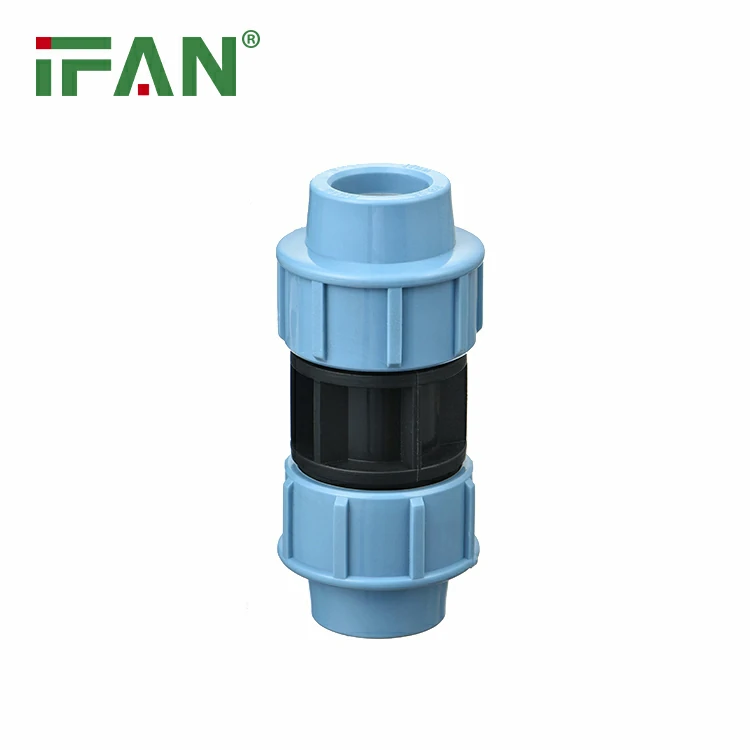
What Is an HDPE Pipe Fitting Socket?
An HDPE pipe fitting socket is a cylindrical connector used to join two HDPE pipes end-to-end. It features a recessed “socket” on one side that fits over the pipe spigot (end), creating a secure joint through fusion welding or mechanical fastening. Unlike traditional metal fittings, HDPE sockets resist corrosion, abrasion, and chemical degradation, making them ideal for harsh environments.
Key Features:
- Corrosion Resistance: Withstands acids, alkalis, and salts.
- Leak-Proof Joints: Fusion-welded connections eliminate weak points.
- Lightweight: Weighs 75% less than steel fittings.
- Flexibility: Absorbs ground movements without cracking.
- Longevity: Lasts 50+ years with proper installation.
Types of HDPE Pipe Fitting Sockets
1. Butt Fusion Sockets
- Purpose: Permanent joints created by heating and fusing pipe ends.
- Components: Sockets with a smooth interior to match pipe diameters.
- Advantages: Strongest joint type, suitable for high-pressure systems (up to 32 bar).
- Installation: Requires a butt fusion machine and heating plate.
2. Electrofusion Sockets
- Purpose: Joins pipes using embedded heating coils activated by an electric current.
- Components: Sockets with integrated wire elements.
- Advantages: Quick installation, ideal for confined spaces or retrofitting.
- Installation: Uses an electrofusion welder to melt the HDPE around the coil.
3. Molded HDPE Sockets
- Purpose: Factory-made sockets for standard pipe sizes.
- Components: Pre-fabricated sockets with uniform dimensions.
- Advantages: Cost-effective for large-scale projects.
- Limitation: Limited customization for non-standard piping layouts.
4. Fabricated HDPE Sockets
- Purpose: Custom-designed sockets for unique angles or sizes.
- Components: Welded from HDPE sheets or extruded sections.
- Advantages: Tailored to specific project requirements.
- Use Case: Complex industrial or municipal piping systems.
5. Mechanical Compression Sockets
- Purpose: Temporary or repair joints using rubber gaskets and clamps.
- Components: Sockets with a compression ring and locking mechanism.
- Advantages: No welding required, reusable.
- Limitation: Less durable than fusion-welded joints.
Advantages of HDPE Pipe Fitting Sockets
1. Corrosion and Chemical Resistance
HDPE sockets do not rust or degrade when exposed to moisture, chemicals, or soil, unlike steel or cast-iron alternatives.
2. Seamless Joints
Butt and electrofusion sockets create homogeneous joints, eliminating leaks at connection points.
3. Flexibility and Impact Resistance
HDPE’s ductility allows it to bend without cracking, making it ideal for seismic zones or areas with ground settlement.
4. Cost Efficiency
Lower installation, maintenance, and replacement costs compared to metal sockets.
5. UV Stability
Retains strength when exposed to sunlight, unlike PVC sockets which degrade under prolonged UV exposure.
Applications of HDPE Pipe Fitting Sockets
- Water Supply Systems: Municipal drinking water distribution networks.
- Gas Distribution: Safe transport of natural gas and propane.
- Wastewater Management: Sewer lines and stormwater drainage systems.
- Industrial Piping: Chemical transport, mining, and oil/gas sectors.
- Agriculture: Irrigation systems and farm drainage networks.
How to Install HDPE Pipe Fitting Sockets
Butt Fusion Installation
- Cut Pipes: Use a plastic pipe cutter for clean, square ends.
- Face the Ends: Remove oxidation layers with a planing tool.
- Align Pipes: Clamp pipes and the socket in a butt fusion machine.
- Heat and Fuse: Heat pipe ends and the socket’s interior to 210–230°C (410–446°F), then press together for 5–10 seconds.
- Cool: Allow the joint to cool undisturbed for 10–15 minutes.
Electrofusion Installation
- Clean Pipes: Remove dirt and moisture from pipe ends.
- Insert Socket: Slide the electrofusion socket onto the pipe.
- Clamp: Secure the socket in place.
- Connect Welder: Attach leads to the socket’s terminals.
- Activate: Run the welder for the specified time (usually 2–5 minutes).
Mechanical Compression Installation
- Slide Socket: Place the compression socket over the pipe end.
- Tighten Clamp: Use a wrench to secure the locking ring.
- Test: Check for leaks under pressure.
IFAN factory started in 1993. And IFAN has workshop 120000 square meter with 610 staff. IFAN can design and produce all plumbing pipe and fitting include PPR,PVC,CPVC PPSU HDPE PEXA PEXB PERT pipe and fitting ,brass fitting, brass ball valve ,heating system , gas system , sanitary faucets and hose, In the past 30 Years, IFAN has never forgotten his mission-To protect health and safety. And IFAN factory use best materials to produce high quality pipe and fittings with automatic production line and high tech quality control machines. The most important,IFAN can guarantee that all pipes and fittings manufactured by IFAN are qualified. More information pls feel free contact us Whatsapp.