PP Compression Fitting: Complete Technical Guide
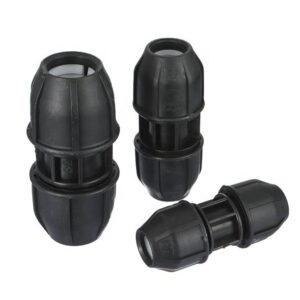
PP compression fittings are mechanical connection devices designed for polypropylene piping systems, providing reliable joints without requiring thermal fusion equipment. These fittings utilize a compression mechanism that creates a tight seal around the pipe through mechanical force, making them ideal for temporary installations, quick repairs, and applications where fusion welding is impractical. The typical assembly consists of a compression nut, compression ring (ferrule), and fitting body that work together to form a secure, leak-resistant connection.
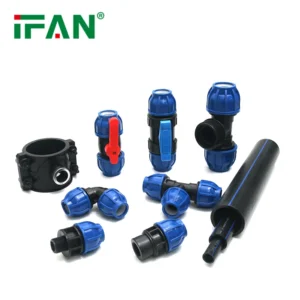
The compression fitting design offers several practical advantages for specific installation scenarios. These fittings enable quick installation and disassembly, significantly reducing downtime during system modifications or maintenance. They maintain good chemical resistance compatible with polypropylene systems while providing reliable performance under standard operating pressures. The installation process requires only basic hand tools, eliminating the need for specialized fusion equipment and reducing initial investment costs. Their reusable nature makes them cost-effective for applications requiring frequent connection and disconnection.
Product Specifications
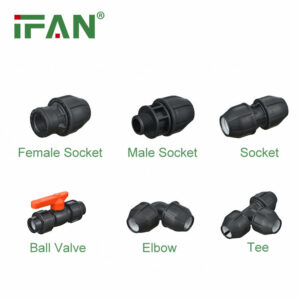
PP compression fittings meet international standards including ISO 9623 for mechanical joints. Standard sizes range from 20mm to 110mm to match common PP pipe dimensions. Pressure ratings typically reach PN10 (10 bar) at 20°C, suitable for most water and industrial applications. Temperature resistance spans from -20°C to 60°C, covering typical operating conditions. Materials include high-quality polypropylene bodies with EPDM or NBR seals and corrosion-resistant metal compression components. Available configurations include straight couplings, elbows, tees, reducers, and adapter fittings.
Installation Guidelines
Proper installation begins with careful pipe preparation and component inspection. Cut the PP pipe square using a dedicated plastic pipe cutter to ensure a clean, burr-free end. Mark the insertion depth on the pipe according to manufacturer specifications. Slide the compression nut followed by the compression ring onto the pipe end. Insert the pipe fully into the fitting body until it reaches the internal stop. Hand-tighten the compression nut initially, then use appropriate wrenches to achieve the final tightness. Follow manufacturer’s torque specifications precisely, as insufficient tightening may cause leaks while excessive force can damage the pipe or compression components.
Applications and Industry Uses
These fittings serve important roles across multiple sectors. Temporary water supply systems utilize them for construction sites and emergency repairs. Irrigation applications employ compression fittings for seasonal systems and quick connection requirements. Plumbing contractors use them for rapid repairs and system modifications where fusion equipment is unavailable. Industrial plants incorporate them for instrument connections and sampling points. Laboratory installations benefit from their use in experimental setups and temporary water lines. Mobile equipment and temporary facilities find them ideal for quick plumbing installations.
Maintenance and Operational Considerations
Regular inspection ensures continued system reliability. Monitor connections for signs of leakage, particularly after temperature fluctuations or system pressure changes. Check for proper alignment and provide adequate support to prevent stress on fittings. For seasonal systems, inspect seals and compression components before reactivation. Maintain appropriate replacement parts including compression rings and seals. Always use manufacturer-approved components to ensure compatibility and performance. Document installation dates for critical connections to establish maintenance schedules and replacement cycles.
Conclusion
PP compression fittings provide practical connection solutions for specific applications within polypropylene piping systems. Their mechanical connection technology offers installation flexibility and reusability where permanent fusion is not required or practical. Proper selection based on size, pressure rating, and application requirements ensures reliable performance. While not replacing fusion methods for primary piping networks, compression fittings serve as valuable components for temporary installations, emergency repairs, and applications requiring demountable connections. Their ease of installation and maintenance makes them particularly suitable for projects with limited resources or situations requiring frequent system modifications.
IFAN factory started in 1993. And IFAN has workshop 120000 square meter with 610 staff. IFAN can design and produce all plumbing pipe and fitting include PPR,PVC,CPVC PPSU HDPE PEXA PEXB PERT pipe and fitting ,brass fitting, brass ball valve ,heating system , gas system , sanitary faucets and hose, In the past 30 Years, IFAN has never forgotten his mission-To protect health and safety. And IFAN factory use best materials to produce high quality pipe and fittings with automatic production line and high tech quality control machines. The most important,IFAN can guarantee that all pipes and fittings manufactured by IFAN are qualified. More information pls feel free contact us Whatsapp.
Related products
 PP Fitting 603
IFAN PE Fitting
- PP Fitting 603
IFAN HDPE 603
- HDPE pipe
IFAN HDPE Pipe
 PP Fitting 602
IFAN HDPE Pipe Fitting Male Socket