Gas Pipes: Essential Guide for Safety and Selection
Critical Safety First
Gas pipe installation and maintenance require strict adherence to safety codes. Consequently, we always recommend hiring licensed professionals for installation, inspection, and repair work. Gas leaks can cause fires, explosions, and carbon monoxide poisoning. Therefore, this guide covers material options and best practices for informed decision-making, not for DIY installation.
Common Gas Pipe Materials
Professionals choose pipe materials based on the application, local codes, and the gas type (natural gas or LP).
1. Black Iron / Steel Pipe
Use: Building codes often require this traditional material for exposed indoor gas lines in homes and commercial buildings.
Pros: This extremely durable, fire-resistant option has wide industry acceptance.
Cons: However, it is prone to corrosion over time and requires skilled labor to install with threaded joints.
Key Point: Additionally, installers must protect underground runs with a corrosion-resistant coating.
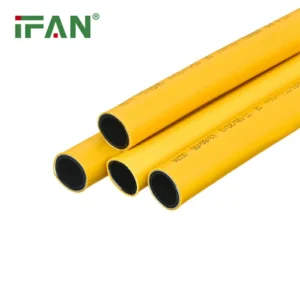
2. CSST (Corrugated Stainless Steel Tubing)
Use: This flexible tubing suits gas lines through walls, attics, and crawlspaces, making it popular for retrofits and appliance connections.
Pros: Its flexibility allows for fast installation with fewer fittings, which reduces potential leak points.
Cons: Nevertheless, installers must properly bond and ground the tubing to prevent electrical damage and use special tools.
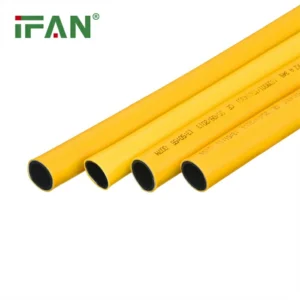
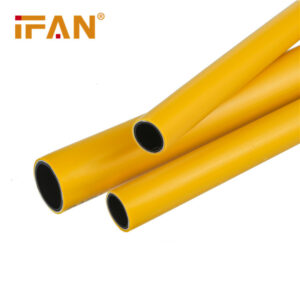
Key Point: Specifically, look for yellow-jacketed CSST and follow all manufacturer and code specifications precisely.
3. Copper Tubing
Use: Many local codes now restrict or prohibit copper for indoor natural gas lines due to embrittlement risks.
Pros: This material resists corrosion well and is easy to work with.
Cons: On the other hand, many jurisdictions ban it; some areas only allow specific grades (Type K or L) for LP gas.
Key Point: Therefore, always check local building codes before considering copper. Professionals never use it for gas distribution mains.
4. HDPE / PE (Polyethylene) Pipe
Use: The industry exclusively uses this yellow or black-and-yellow striped pipe for underground natural gas service lines.
Pros: Its high flexibility, corrosion immunity, and durability make it cost-effective for long runs.
Cons: However, UV degradation prohibits above-ground use, and installation requires thermal fusion joints.
Key Point: Installers must bury the pipe at the proper depth with a warning tape above it.
5. Galvanized Steel Pipe
Use: Building codes generally prohibit galvanized steel for all gas lines.
Key Point: The flaking coating can clog appliances, so we strongly advise against using it for any gas application.
Key Selection Factors
Local Code Compliance: This paramount factor dictates that all materials and methods must meet ICC, NFPA 54, and local amendments.
Application Location: Consider whether the line will run indoors or outdoors, exposed or concealed, underground or above ground.
Gas Type: Material allowances differ for natural gas (methane) versus LP (propane).
System Pressure: Most homes use low-pressure systems, but some appliances may need a dedicated, regulated high-pressure line.
Installation & Maintenance Best Practices
Professional Installation: We classify gas pipe work as not a DIY project. Thus, always hire a licensed plumber or gas fitter.
Leak Testing: Subsequently, professionals must pressure-test all new installations with a manometer before activating the system.
Proper Support: Moreover, installers should securely support pipes with appropriate hangers to prevent joint stress.
Drip Legs: Additionally, a sediment trap at each appliance catches moisture and debris to protect valves.
Labeling: Similarly, clear identification of all gas lines is essential.
Regular Inspection: Finally, schedule periodic inspections, especially if you smell gas or after seismic events.
Warning Signs & Emergency Response
Smell: Recognize the distinctive “rotten egg” odor that utilities add to natural gas.
Sound: Listen for a hissing or whistling sound near a gas line.
Sight: Watch for dead vegetation above an underground line or visible pipe damage.
If You Suspect a Leak:
NO FLAMES: Immediately avoid all ignition sources; do not use switches or electrical devices.
EVACUATE: Then, get everyone out of the building immediately.
SHUT OFF: If safe, next turn off the gas at the main meter valve.
CALL FOR HELP: From a safe distance, finally call your gas company’s emergency line or 911.
Summary
In conclusion, selecting the correct gas pipe material is critical for safety and code compliance. Whether choosing black steel for interior lines, CSST for flexible runs, or yellow polyethylene for underground service, professional installation and adherence to local codes are non-negotiable. Therefore, prioritize safety by recognizing leak warning signs and knowing emergency procedures. Ultimately, never compromise on certified materials and licensed expertise for gas system work.
IFAN factory started in 1993. And IFAN has workshop 120000 square meter with 610 staff. IFAN can design and produce all plumbing pipe and fitting include PPR,PVC,CPVC PPSU HDPE PEXA PEXB PERT pipe and fitting ,brass fitting, brass ball valve ,heating system , gas system , sanitary faucets and hose, In the past 30 Years, IFAN has never forgotten his mission-To protect health and safety. And IFAN factory use best materials to produce high quality pipe and fittings with automatic production line and high tech quality control machines. The most important,IFAN can guarantee that all pipes and fittings manufactured byIFAN are qualified. More information pls feel free contact us Whatsapp.
Related products

- Brass Valve
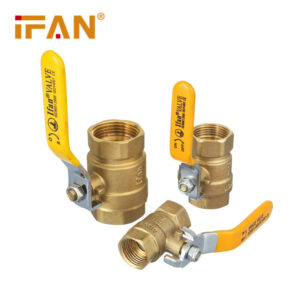
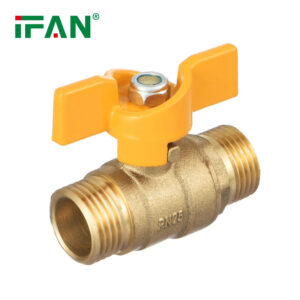
Yellow Gas Ball Valve
- Gas
IFAN Gas Valve
- Gas
Gas Pipe