Critical Safety Notice
All gas pipe work requires professional installation by licensed technicians. Gas leaks pose immediate risks of explosion, fire, and carbon monoxide poisoning. This guide provides information for informed decision-making – never attempt DIY gas pipe installation.

Approved Gas Pipe Materials
Professional installers select materials based on application, fuel type, and local code requirements.
1. Black Steel Pipe (Standard Interior)
Applications: Primary material for exposed indoor gas lines in residential and commercial buildings
Advantages: Maximum durability, fire resistance, and universal code acceptance
Limitations: Requires threading and professional installation; prone to corrosion if unprotected
Key Requirement: Must receive protective coating when installed underground
2. CSST – Corrugated Stainless Steel Tubing
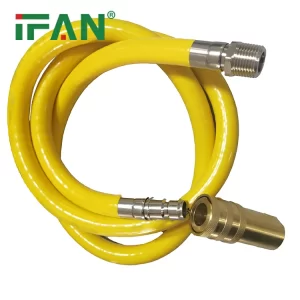
Applications: Flexible gas lines through walls, attics, and crawl spaces; ideal for retrofits
Advantages: Faster installation with fewer connections; excellent for complex routing
Safety Requirement: Mandatory bonding and grounding to prevent electrical damage
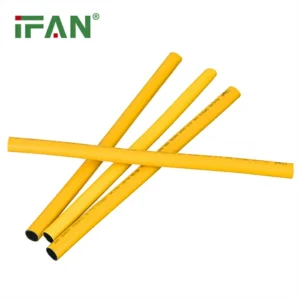
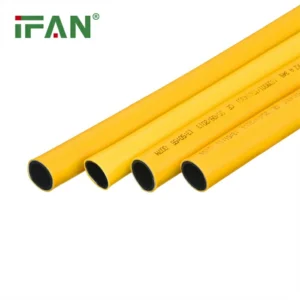
Identification: Yellow protective jacket clearly marks gas-rated CSST
3. PE/Polyethylene (Underground Service)
Applications: Exclusive material for buried gas service lines and yard piping
Advantages: Complete corrosion resistance; flexible for trench installation
Critical Restriction: Never used above ground (UV degradation)
Identification: Yellow pipe or black pipe with yellow stripes
Prohibited and Restricted Materials
Copper Tubing: Banned for natural gas in most areas; limited LP gas use with restrictions
Galvanized Pipe: Absolutely prohibited – flaking zinc clogs appliance valves
PVC/CPVC: Never approved for any gas applications
PEX/PEX-AL-PEX: Strictly prohibited despite plumbing applications
Professional Installation Standards
All gas piping must follow these essential procedures:
System Design Phase
Pressure requirement analysis for appliances
Proper sizing calculations for gas volume
Comprehensive leak prevention planning
Installation Process
Secure permits and professional inspection scheduling
Precise cutting and threading of steel components
CSST installation with manufacturer-specified fittings
Underground PE pipe installation with thermal fusion joints
Pressure testing at 150% operating pressure for 24 hours
Final inspection and certification documentation
Safety Systems
Sediment traps at every appliance connection
Adequate pipe support at regular intervals
Clear gas line identification labeling
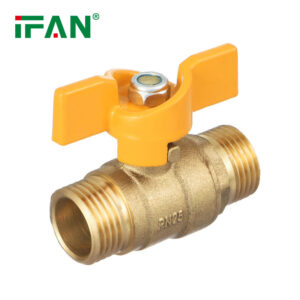
Accessible emergency shutoff valves
Leak Detection and Emergency Response
Warning Signs
Distinctive “rotten egg” odor (added mercaptan)
Hissing sounds near gas lines
Unusual dead vegetation patterns
Unexplained physical symptoms (nausea, dizziness)
Emergency Procedure
Immediate Action: No flames, sparks, or electrical switches
Evacuation: Remove all people from the building
Shutoff: Close main gas valve if accessible and safe
Notification: Call gas company emergency line from safe location
Professional Repair: Only licensed technicians make repairs
Maintenance Requirements
Annual professional inspection of all gas appliances
Regular visual checks for corrosion or damage
Immediate reporting of any gas odor
Earthquake or major disturbance post-inspection
Code Compliance Essentials
All installations must meet:
International Fuel Gas Code (IFGC) requirements
National Fuel Gas Code (NFPA 54) standards
Local municipality amendments and regulations
Manufacturer specifications for all components
SUMMARY: Proper gas pipe selection and installation requires professional expertise and strict code compliance. Black steel serves as the standard interior material, CSST provides flexible routing options, and yellow polyethylene handles underground service. Critical safety protocols include mandatory pressure testing, proper bonding of CSST systems, and immediate response to any gas odor detection. Always prioritize certified materials, licensed installers, and regular professional maintenance for gas system safety and reliability.