
Brass fitting sockets are essential components in plumbing, piping, and fluid transport systems, providing secure and leak-proof connections between pipes and fittings. Known for their durability, corrosion resistance, and versatility, brass sockets are widely used in residential, commercial, and industrial applications. This article explores the different types of brass fitting sockets, their key advantages, primary applications, and installation best practices to help professionals and DIY enthusiasts make informed decisions.
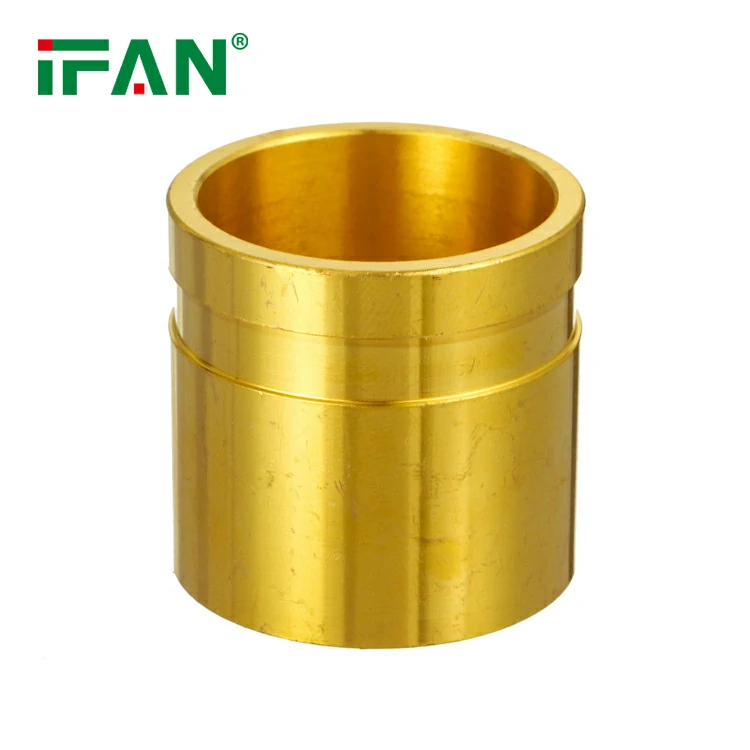
1. What Is a Brass Fitting Socket?
A brass fitting socket is a cylindrical connector made from brass—an alloy of copper and zinc—designed to join two pipes or fittings end-to-end. Unlike threaded couplings that require matching male and female threads, brass sockets typically use compression, soldering, or press-fit methods to create a tight, reliable seal.
Brass sockets are available in various sizes and configurations to accommodate different pipe materials, including copper, PEX, PVC, and stainless steel. Their compatibility with multiple joining techniques makes them a preferred choice for plumbing, heating, and industrial systems where durability and leak prevention are critical.
2. Types of Brass Fitting Sockets
Brass fitting sockets come in several designs, each suited for specific applications and installation methods. Below are the most common types:
2.1 Compression Brass Sockets
Compression brass sockets use a ferrule (a metal ring) and a compression nut to create a watertight seal. When tightened, the ferrule compresses around the pipe, preventing leaks without the need for soldering or welding.
Key Features:
- Easy to install and remove
- Reusable in some cases
- Ideal for both copper and plastic pipes
Common Applications:
- Residential water supply lines
- Appliance connections (e.g., dishwashers, refrigerators)
- Temporary or adjustable piping systems
2.2 Soldered Brass Sockets (Capillary Fittings)
Soldered brass sockets, also known as capillary fittings, require heating the joint with a torch and applying solder to create a permanent bond. The brass expands when heated, allowing solder to flow into the gap between the pipe and socket, ensuring a strong, leak-proof connection.
Key Features:
- Extremely durable and long-lasting
- Suitable for high-pressure systems
- Provides a clean, professional finish
Common Applications:
- Permanent plumbing installations
- Heating systems (radiators, boilers)
- Industrial piping where high pressure is involved
2.3 Press-Fit Brass Sockets
Press-fit brass sockets use a specialized tool to press a fitting onto a pipe, creating a secure mechanical connection without soldering or threading. The pressing action deforms the fitting slightly, ensuring a tight grip on the pipe.
Key Features:
- Fast and easy installation
- No need for heat or flux
- Reduces the risk of fire hazards in confined spaces
Common Applications:
- Commercial plumbing projects
- Underfloor heating systems
- Retrofitting existing piping systems
2.4 Threaded Brass Sockets
While less common than compression or soldered types, some brass sockets feature internal threads to connect with male-threaded pipes or fittings. These are often used in specialized applications where threaded connections are preferred.
Key Features:
- Compatible with standard pipe threads
- Can be disassembled for maintenance
- Suitable for low-pressure applications
Common Applications:
- Gas supply lines
- Air compression systems
- DIY projects requiring modular connections
3. Advantages of Using Brass Fitting Sockets
Brass fitting sockets offer several benefits over other materials like steel, plastic, or stainless steel, making them a popular choice in many industries:
3.1 Excellent Corrosion Resistance
Brass is highly resistant to rust, scaling, and chemical degradation, making it ideal for potable water systems, heating applications, and environments with high humidity or corrosive substances.
3.2 Durability and Longevity
Brass sockets can withstand high pressures and temperatures without cracking or deforming, ensuring reliable performance in demanding conditions. Their long service life reduces replacement costs and maintenance needs.
3.3 Thermal Conductivity
Brass has good thermal conductivity, making it suitable for heating systems where efficient heat transfer is essential, such as radiators and underfloor heating.
3.4 Versatility in Installation Methods
Brass sockets support multiple joining techniques—compression, soldering, pressing, and threading—allowing flexibility in installation based on project requirements and skill level.
3.5 Aesthetic Appeal
Brass has a polished, golden appearance that adds a touch of elegance to visible plumbing installations, such as in luxury homes or commercial spaces.
3.6 Recyclability
Brass is a sustainable material that can be recycled indefinitely without losing its properties, making it an eco-friendly choice for green construction projects.
4. Applications of Brass Fitting Sockets
Brass fitting sockets are used across various industries and settings, including:
4.1 Residential Plumbing
Brass sockets are commonly used in household water supply lines, sinks, showers, toilets, and water heaters due to their corrosion resistance and reliability.
4.2 Commercial HVAC Systems
In heating, ventilation, and air conditioning (HVAC) systems, brass sockets connect refrigerant lines, condensate drains, and heating coils, ensuring efficient operation in commercial buildings.
4.3 Industrial Piping
Brass sockets are used in chemical processing, oil and gas, and manufacturing plants where resistance to corrosion and high temperatures is critical.
4.4 Marine and Coastal Applications
Due to their resistance to saltwater corrosion, brass sockets are ideal for marine plumbing, boat engines, and coastal infrastructure.
4.5 Fire Protection Systems
Brass sockets are approved for use in fire sprinkler systems because they can withstand high pressures and temperatures without failing.
4.6 Gas Supply Lines
Brass sockets are suitable for natural gas and propane lines due to their leak-resistant properties and ability to handle high-pressure gas flow.
5. Installation Best Practices for Brass Fitting Sockets
To ensure a secure and leak-free connection, follow these best practices when installing brass fitting sockets:
5.1 Choose the Right Type for Your Application
Select a brass socket that matches your pipe material, pressure requirements, and installation method (compression, soldering, pressing, or threading).
5.2 Prepare the Pipe Properly
- For compression fittings: Cut the pipe squarely and deburr the edges to prevent damage to the ferrule.
- For soldered fittings: Clean the pipe and fitting with flux and sandpaper to ensure proper solder adhesion.
- For press-fit fittings: Ensure the pipe is free of scratches or debris that could interfere with the pressing process.
5.3 Follow Manufacturer Guidelines
Always refer to the manufacturer’s instructions for torque specifications, heating times (for soldering), or pressing sequences to avoid over-tightening or under-tightening.
5.4 Test for Leaks
After installation, pressurize the system and check for leaks. Tighten connections if necessary, but avoid over-tightening, which can damage the fitting or pipe.
6. Conclusion
Brass fitting sockets are indispensable components in plumbing, HVAC, industrial, and marine systems, offering durability, corrosion resistance, and versatile installation options. Whether used in residential water supply lines, commercial heating systems, or industrial chemical processing, brass sockets provide reliable, long-lasting performance.
IFAN factory started in 1993. And IFAN has workshop 120000 square meter with 610 staff. IFAN can design and produce all plumbing pipe and fitting include PPR,PVC,CPVC PPSU HDPE PEXA PEXB PERT pipe and fitting ,brass fitting, brass ball valve ,heating system , gas system , sanitary faucets and hose, In the past 30 Years, IFAN has never forgotten his mission-To protect health and safety. And IFAN factory use best materials to produce high quality pipe and fittings with automatic production line and high tech quality control machines. The most important,IFAN can guarantee that all pipes and fittings manufactured byIFAN are qualified. More information pls feel free contact us Whatsapp.