
This comprehensive guide explores the properties, benefits, installation methods, and key applications of PPH pipes, helping engineers, contractors, and facility managers make informed decisions for their piping projects.
1. What Is PPH Pipe?
PPH pipe is a thermoplastic piping system engineered for high-performance industrial applications. Made from a single type of polypropylene polymer, PPH pipes exhibit exceptional resistance to chemicals, heat, and mechanical stress, making them ideal for transporting corrosive fluids in harsh environments.
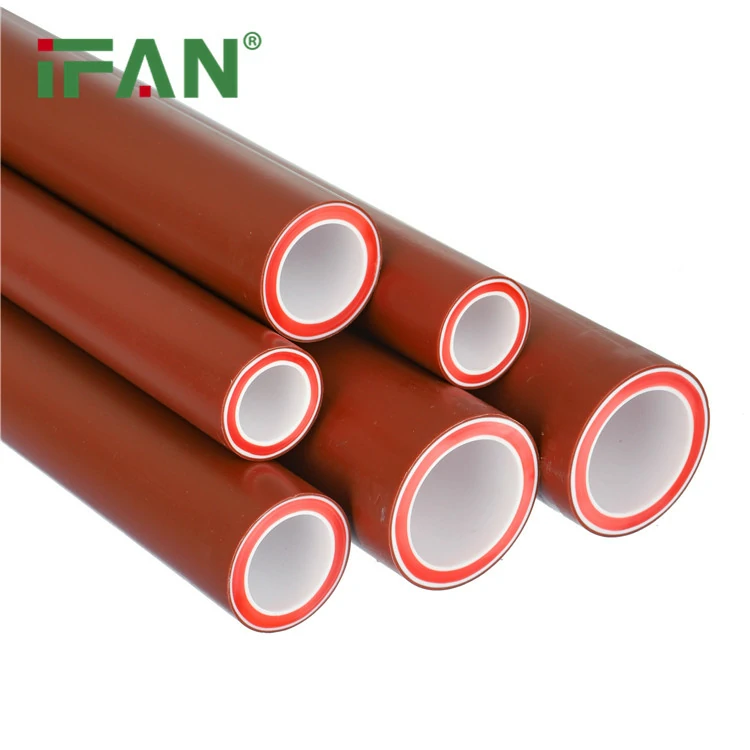
Key Properties of PPH Pipes:
- Chemical Resistance: Withstands acids, alkalis, solvents, and oxidizing agents without degradation.
- Thermal Stability: Operates continuously at temperatures up to 100°C (212°F).
- High Impact Strength: Maintains durability even at low temperatures.
- Low Moisture Absorption: Prevents swelling or weakening in humid conditions.
- UV Resistance: Suitable for outdoor installations without degradation.
- Lightweight & Flexible: Easier to handle and install than metal pipes.
- Leak-Proof Joints: Socket fusion welding creates permanent, monolithic connections.
These properties make PPH pipes a preferred choice in industries such as chemical processing, wastewater treatment, and power generation.
2. Why Choose PPH Pipe Over Other Materials?
2.1 Superior Chemical Resistance
Unlike steel or PVC pipes, PPH does not corrode when exposed to aggressive chemicals like sulfuric acid, hydrochloric acid, or sodium hydroxide. This makes PPH pipes ideal for:
- Chemical manufacturing (transporting acids, alkalis, and solvents)
- Electroplating facilities (handling acidic and alkaline solutions)
- Mining operations (managing acidic mine drainage and abrasive slurries)
2.2 High Temperature & Pressure Tolerance
PPH pipes maintain structural integrity at temperatures up to 100°C (212°F) and pressures up to 16 bar (232 psi), depending on pipe diameter and wall thickness. This makes them suitable for:
- Hot water distribution (in industrial cooling systems)
- Steam condensation lines (in power plants)
- High-temperature chemical processing
2.3 Lightweight & Easy to Install
PPH pipes are 70% lighter than steel pipes, reducing transportation and handling costs. Their flexibility allows for easier routing around obstacles, while socket fusion welding ensures quick, leak-proof installations without the need for heavy machinery.
2.4 Long Service Life & Low Maintenance
Due to their inert nature, PPH pipes do not rust, scale, or degrade over time, minimizing maintenance requirements and extending system lifespan.
2.5 Cost-Effective Solution
While PPH pipes may have a slightly higher upfront cost than PVC, their durability and resistance to corrosion make them more economical over time. They are also more affordable than high-performance plastics like PVDF or PTFE.
2.6 Environmentally Sustainable
PPH is recyclable and produces fewer emissions during manufacturing compared to metal alternatives, aligning with green building practices.
3. Types of PPH Pipes & Fittings
PPH piping systems are available in various configurations to meet different industrial needs:
3.1 Standard PPH Pipes
Available in diameters ranging from 20mm to 1200mm, standard PPH pipes are used for general-purpose fluid transport in chemical, wastewater, and industrial applications.
3.2 Heavy-Duty PPH Pipes
Designed for high-pressure applications, these pipes feature thicker walls to withstand elevated pressures without deformation.
3.3 PPH Double-Wall Pipes
Used in applications requiring secondary containment (e.g., chemical storage), these pipes have an inner fluid-carrying layer and an outer protective layer to prevent leaks.
3.4 PPH Fittings (Elbows, Tees, Reducers, etc.)
PPH fittings are manufactured using the same material as the pipes, ensuring compatibility and chemical resistance. Common fittings include:
- 90° & 45° elbows (for directional changes)
- Tees & crosses (for branching lines)
- Reducers & expanders (for diameter transitions)
- Flange adapters (for connecting to metal systems)
3.5 PPH Valves
PPH ball valves, gate valves, and diaphragm valves are used to control fluid flow in PPH piping systems, offering corrosion resistance and leak-proof operation.
4. How to Install PPH Pipes
Proper installation is critical to ensuring leak-free, long-lasting PPH piping systems. The most common method is socket fusion welding, which creates permanent, monolithic joints.
4.1 Tools & Materials required
- Socket fusion welder (temperature-controlled)
- PPH pipes & fittings (same material grade)
- Marking tool (pen or marker)
- Measuring tape
- Cleaning cloth (lint-free)
- Deburring tool (for pipe ends)
- Safety gear (gloves, goggles, heat-resistant clothing)
4.2 Step-by-Step Installation Guide
- Cut the pipe to length
- Use a fine-toothed saw or pipe cutter for a clean, square cut.
- Remove burrs and sharp edges with a deburring tool to ensure a proper fit.
- Mark the insertion depth
- Measure the socket depth of the fitting and transfer this measurement to the pipe end using a marker.
- Clean the surfaces
- Wipe the pipe end and fitting socket interior with a clean, dry cloth to remove dust, oil, or debris.
- Heat the pipe & fitting
- Preheat the socket fusion welder to the recommended temperature (typically 260–270°C / 500–518°F for PPH).
- Insert the pipe end into the heating element for 4–10 seconds (depending on diameter).
- Simultaneously heat the fitting socket interior for the same duration.
- Join the components
- Quickly remove the pipe and fitting from the heater and press them together firmly until the marked insertion depth is reached.
- Hold the assembly in place for 10–15 seconds to allow initial cooling.
- Cool completely before handling
- Avoid disturbing the joint for at least 2–3 minutes to ensure a strong bond.
4.3 Common Installation Mistakes to Avoid
- Overheating (can cause material degradation)
- Underheating (results in weak, leaky joints)
- Insufficient insertion depth (compromises joint strength)
- Contaminated surfaces (prevent proper fusion)
- Moving the joint too soon (disrupts the bonding process)
5. Key Applications of PPH Pipes
PPH pipes are widely used in industries where chemical resistance and durability are critical:
5.1 Chemical Processing & Manufacturing
- Transporting acids, alkalis, and solvents in reaction vessels and storage tanks.
- Handling aggressive chemicals in pharmaceutical production.
5.2 Wastewater Treatment & Water Management
- Managing sewage and industrial effluent (resisting hydrogen sulfide and chlorine).
- Distributing water in desalination plants.
- Handling acidic mine drainage in mining operations.
5.3 Electroplating & Metal Finishing
- Guiding plating solutions and rinsing agents in electroplating facilities.
- Preventing contamination in surface treatment processes.
5.4 Power Generation & Cooling Systems
- Redirecting steam condensation in power plants.
- Managing cooling water flow in geothermal and industrial cooling towers.
5.5 Pharmaceutical & Food Processing
- Cleanroom piping systems (due to PPH’s inert, non-toxic nature).
- Sterile fluid handling in biotech and food production.
5.6 Agricultural & Irrigation Systems
- Delivering fertilizers and pesticides (withstanding aggressive chemicals).
- Navigating obstacles in large-scale irrigation networks.
6. Conclusion
PPH pipe is a high-performance, cost-effective solution for industrial piping systems requiring chemical resistance, thermal stability, and long-term durability. Its socket fusion welding method ensures leak-proof connections, while its lightweight design simplifies installation.
IFAN factory started in 1993. And IFAN has workshop 120000 square meter with 610 staff. IFAN can design and produce all plumbing pipe and fitting include PPR,PVC,CPVC PPSU HDPE PEXA PEXB PERT pipe and fitting ,brass fitting, brass ball valve ,heating system , gas system , sanitary faucets and hose, In the past 30 Years, IFAN has never forgotten his mission-To protect health and safety. And IFAN factory use best materials to produce high quality pipe and fittings with automatic production line and high tech quality control machines. The most important,IFAN can guarantee that all pipes and fittings manufactured byIFAN are qualified. More information pls feel free contact us Whatsapp.