What is a brass manifold?
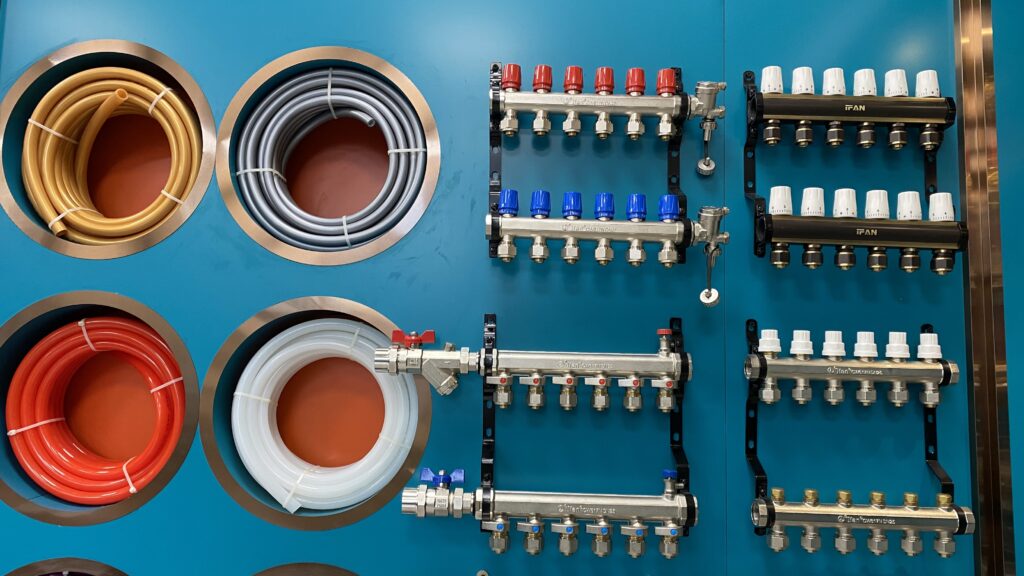
A brass manifold is a component used in plumbing and heating systems to distribute or control the flow of fluids, such as water or gas. It is typically made of brass, a corrosion-resistant alloy of copper and zinc, which provides durability and excellent heat conductivity. A brass manifold consists of a central body with multiple outlets and inlet ports, each connected to individual pipes or tubes.
The main purpose of a brass manifold is to regulate and balance the flow of fluid within a system. It allows for the easy control of individual circuits or zones, making it particularly useful in applications like hydronic heating systems or radiant floor heating, where different areas may need to be heated or controlled separately.
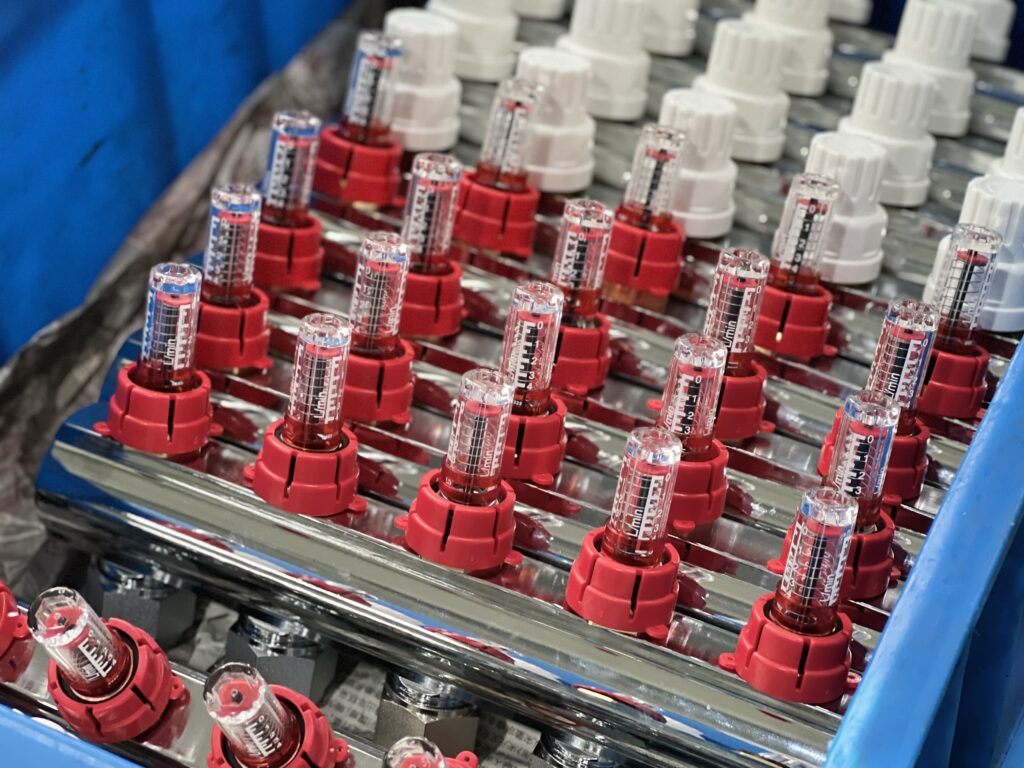
Brass manifolds are often equipped with valves, such as ball valves or flow meters, to enable shut-off, throttling, or balancing of the flow to specific areas. The number of outlets in a manifold can vary depending on the system requirements. Manifolds with multiple outlets allow for precise distribution and zoning of fluids, reducing the need for complex piping systems and individual shut-off valves for each circuit.
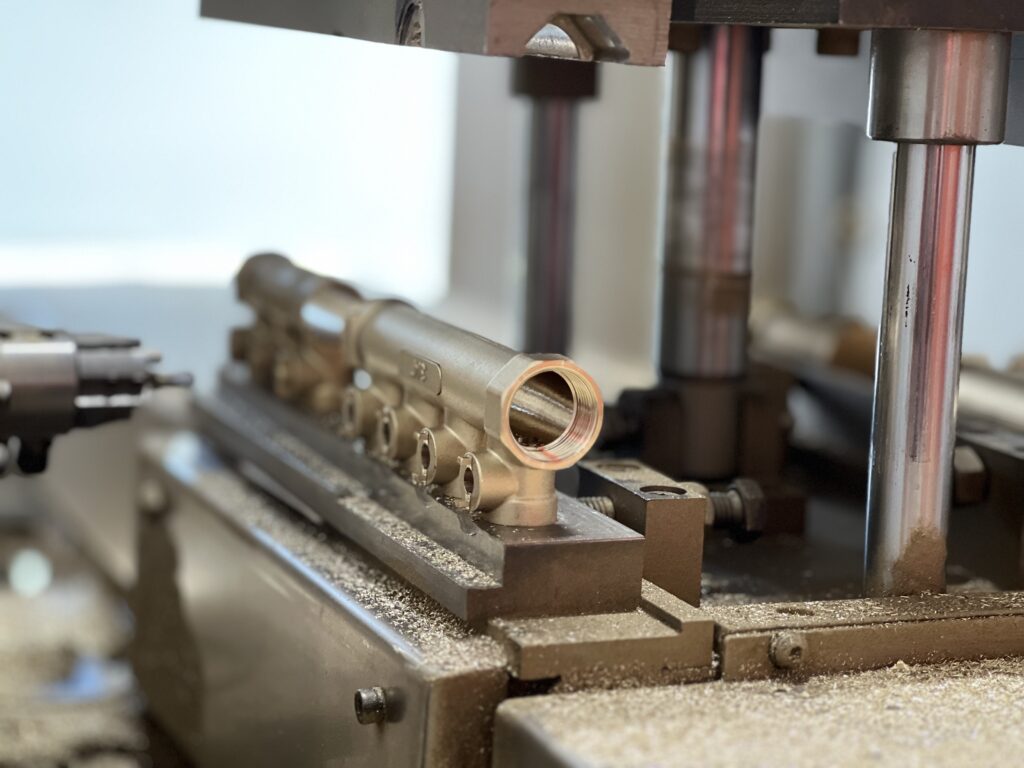
Brass is chosen as the material for manifolds due to its excellent resistance to corrosion and high temperature. It can withstand the demands of heating and plumbing systems, ensuring long-lasting performance. Additionally, brass has good conductivity, helping to maintain consistent heat distribution within the system.
Overall, the brass manifold plays a crucial role in effectively and efficiently managing the flow of fluids in plumbing and heating systems, providing control, balance, and ease of installation.