Comprehensive Guide to PPR Pipe Applications EN 15874
Description
Introduction to PPR Pipe
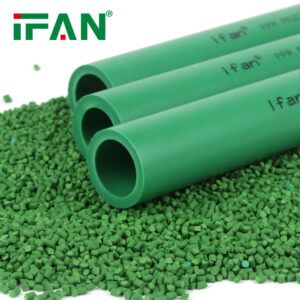
PPR pipe thermoplastic pipes made from polypropylene random copolymer, a material known for its high chemical resistance and flexibility. These pipes are joined using heat fusion, creating seamless, leak-proof connections that eliminate the need for glues or solvents. Their lightweight design and ease of installation make them a popular choice for plumbers and contractors worldwide.
Key Features and Advantages
Corrosion and Scale Resistance: PPR pipes do not rust or scale, ensuring long-term water quality and reducing maintenance costs.
High Temperature and Pressure Tolerance: Standard PPR pipes withstand temperatures up to 95°C (203°F) and pressures up to PN20 (20 bar), suitable for both hot and cold water systems.
Chemical Inertness: PPR is resistant to acids, alkalis, and chlorine, making it ideal for chemical processing plants and municipal water supply systems.
Energy Efficiency: PPR’s low thermal conductivity reduces heat loss, lowering energy costs in heating systems.
Eco-Friendly: PPR is 100% recyclable and produces fewer emissions during manufacturing compared to metal pipes.
3. Types of PPR Pipes
Standard PPR Pipes: Used for general plumbing in residential and commercial buildings.
PPR-Aluminum-PPR (PAP) Pipes: Feature an aluminum layer for enhanced rigidity and oxygen barrier properties, preventing corrosion in heating systems.
Fiber-Reinforced PPR Pipes: Include glass fiber for increased strength, ideal for high-pressure industrial applications.
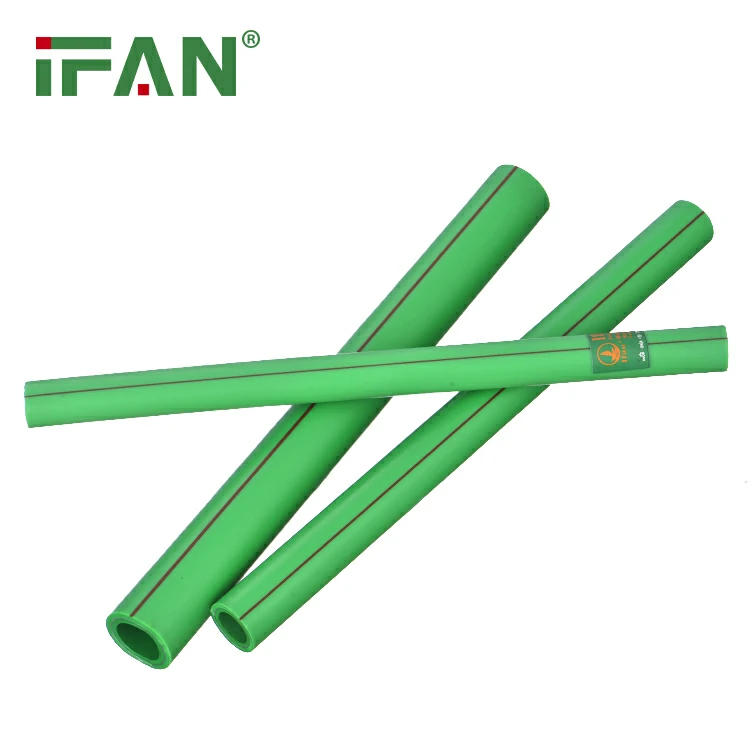
Colored PPR Pipes: Available in green, gray, or white for easy identification of hot/cold water lines or different zones in a plumbing system.
4. Applications of PPR Pipes
Residential Plumbing: Commonly used for water supply lines, underfloor heating, and radiator connections.
Commercial Buildings: Suitable for HVAC systems, hotels, hospitals, and offices where durability and hygiene are critical.
Industrial Use: Employed in chemical plants, food processing facilities, and irrigation systems due to their chemical resistance.
Agriculture: Used in drip irrigation and greenhouse watering systems for their longevity and UV resistance (when protected).
5. Installation Process for PPR Pipes
Preparation:
Measure and cut the PPR pipe using a sharp pipe cutter to ensure a square, burr-free edge.
Clean the pipe end and fitting socket with a lint-free cloth to remove debris.
Heat Fusion:
Preheat the hot-melt welding machine to 260°C ±5°C (500°F ±9°F).
Insert the pipe and fitting into the machine for 5–10 seconds (time varies by diameter).
Quickly join the pipe and fitting without twisting, holding them firmly for 10–15 seconds to allow the material to fuse.
Support and Alignment:
Use pipe clips or brackets to secure the pipes and prevent sagging.
Ensure proper slope in drainage systems to avoid water pooling.
6. Maintenance and Troubleshooting
Regular Inspections: Check for leaks, loose fittings, or signs of wear during routine maintenance.
Avoid Chemical Exposure: Protect PPR pipes from prolonged contact with solvents or strong acids.
Prevent UV Damage: If used outdoors, cover PPR pipes with insulation or UV-resistant paint to prevent degradation.
Address Freezing Risks: Insulate pipes in cold climates to prevent cracking from ice expansion.
7. Comparison with Traditional Piping Materials
PPR vs. Copper: PPR is lighter, cheaper, and easier to install, while copper is more durable but prone to corrosion and theft.
PPR vs. PVC: PPR handles higher temperatures and pressures better than PVC, which is limited to cold water systems.
PPR vs. Steel: PPR is corrosion-resistant and requires no welding, unlike steel, which rusts and needs regular maintenance.
8. Future Trends in PPR Pipe Technology
Manufacturers are developing PPR pipes with enhanced UV resistance for outdoor use and hybrid designs combining PPR with antimicrobial additives for healthcare applications. Additionally, smart PPR pipes with embedded sensors for leak detection are emerging in the market.
Conclusion
PPR pipes offer a reliable, cost-effective, and sustainable solution for modern plumbing systems. By following proper installation techniques and regular maintenance, users can enjoy leak-free, long-lasting performance.IFAN factory started in 1993. And IFAN has workshop 120000 square meter with 610 staff. IFAN can design and produce all plumbing pipe and fitting include PPR,PVC,CPVC PPSU HDPE PEXA PEXB PERT pipe and fitting ,brass fitting, brass ball valve ,heating system , gas system , sanitary faucets and hose, In the past 30 Years, IFAN has never forgotten his mission-To protect health and safety. And IFAN factory use best materials to produce high quality pipe and fittings with automatic production line and high tech quality control machines. The most important,IFAN can guarantee that all pipes and fittings manufactured by IFAN are qualified. More information pls feel free contact us Whatsapp.



 PPR
PPR PPR
PPR