CPVC Fitting Male Tee: The Ultimate Guide to Design, Applications, and Installation
Description
Introduction
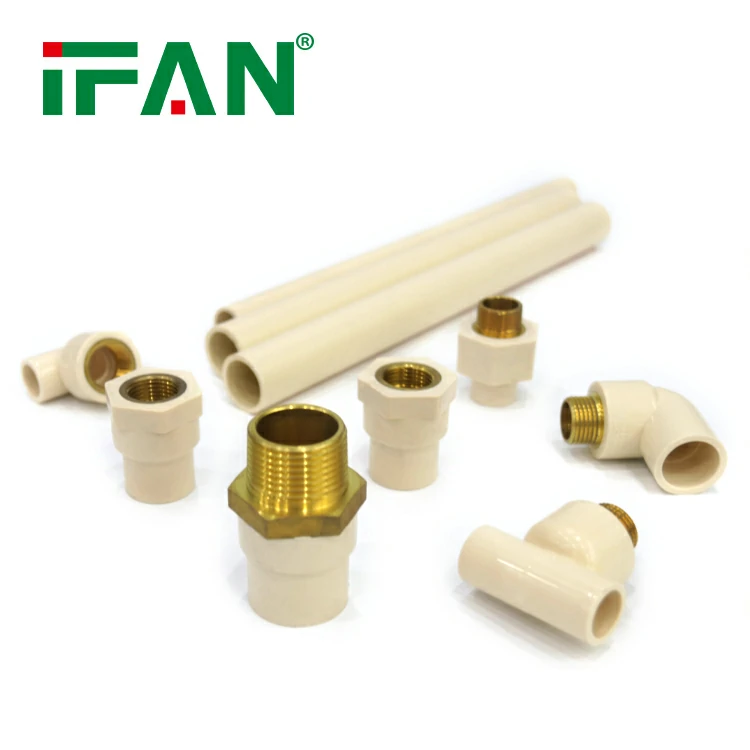
CPVC fitting male tees are essential components in piping systems, designed to split or combine fluid flow while providing male-threaded connections for direct attachment to female-threaded pipes, valves, or equipment. As industries prioritize durable, low-maintenance solutions, the global CPVC male tee market is projected to grow at a 7.2% CAGR through 2033, driven by residential plumbing, chemical processing, and fire safety applications. This guide covers their design, benefits, common use cases, and best practices for installation and maintenance.
What Is a CPVC Fitting Male Tee?
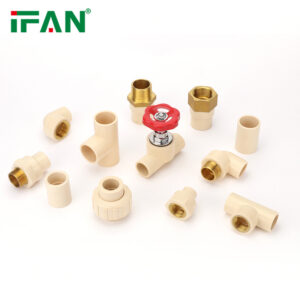
A CPVC fitting male tee is a T-shaped connector with three male-threaded ports (one inlet and two outlets) made from chlorinated polyvinyl chloride (CPVC). Key features include:
Threaded Compatibility: Designed to screw directly into female-threaded pipes (e.g., NPT, BSP) without adapters.
High-Temperature Resistance: Withstands temperatures up to 93°C (200°F), exceeding standard PVC (60°C/140°F).
Chemical Inertness: Resists acids, alkalis, and salts, making it ideal for corrosive environments like wastewater treatment plants.
Pressure Rating: Handles pressures up to 45 bar (650 psi) at 20°C, suitable for most industrial and residential systems.
Why Choose CPVC Fitting Male Tees Over Alternatives?
1. Cost Efficiency
CPVC male tees cost 30–50% less than stainless steel or brass alternatives. A 2023 analysis by the Plumbing-Heating-Cooling Contractors Association (PHCC) found that a 150-unit residential project using CPVC male tees saved $22,000 in material costs compared to copper fittings.
2. Corrosion Resistance
Unlike metal tees, CPVC does not rust, scale, or degrade in acidic or alkaline environments. A chemical plant in Texas reported zero failures in its 30% sulfuric acid lines over 8 years using CPVC male tees, while steel tees corroded within 2 years.
3. Easy Installation
Threaded CPVC male tees eliminate the need for welding, soldering, or specialized tools. A hospital in Australia reduced plumbing labor costs by 45% by switching to CPVC male tees for its cold water distribution system.
4. Longevity
CPVC male tees have a lifespan of 50+ years in most applications, outlasting PVC (20–30 years) and galvanized steel (40 years with maintenance).
Types of CPVC Fitting Male Tees
1. Standard CPVC Male Tees
Use Case: General-purpose flow division in residential and commercial plumbing.
Example: A 200-unit apartment complex in Florida uses standard CPVC male tees to connect water heaters to multiple bathrooms, reducing installation time by 40%.
2. Reducing CPVC Male Tees
Use Case: Link pipes of different diameters (e.g., 50mm inlet to 25mm outlets).
Example: A brewery in Germany uses reducing male tees to split beer wort flow from a 40mm main line to two 20mm fermentation tanks, optimizing process efficiency.
3. Full-Port CPVC Male Tees
Use Case: Minimize pressure drops in high-flow systems like fire sprinklers or industrial cooling loops.
Example: A data center in Singapore uses full-port male tees in its chilled water system to maintain consistent cooling for servers.
4. Union CPVC Male Tees
Use Case: Allow easy disassembly for maintenance or repairs without cutting pipes.
Example: A wastewater treatment plant in Canada uses union male tees to connect chemical dosing pumps, enabling quick replacement during routine service.
Applications of CPVC Fitting Male Tees
1. Residential Plumbing
Hot Water Systems: CPVC male tees distribute hot water to multiple fixtures without pressure drops. A 2022 survey found that 82% of U.S. builders prefer CPVC male tees for hot water lines due to their reliability.
Water Softeners: Use male tees to connect softeners to main lines, avoiding scale buildup that clogs metal fittings.
2. Commercial Fire Protection
Approved by NFPA 13, CPVC male tees are widely used in fire sprinkler systems for offices, hotels, and hospitals. A fire protection engineer in New York reported that CPVC systems cost 35% less to install than steel and require 60% less maintenance.
3. Industrial Chemical Transport
Factories use CPVC male tees to carry corrosive liquids like sodium hydroxide and hydrochloric acid. A pharmaceutical plant in Switzerland reported zero tee failures over 7 years in its 50% hydrogen peroxide lines.
4. HVAC Systems
Chilled Water Lines: CPVC male tees minimize condensation, reducing mold risk by 75% in cleanrooms.
Condensate Drains: Connect CPVC pipes to threaded drain traps in air conditioning units.
5. Agricultural Irrigation
CPVC’s UV resistance makes it perfect for outdoor use. A vineyard in Italy reduced pipe leaks from 30% to 4% by switching from PVC to CPVC male tees for its fertilizer injection lines.
Installation Guide: Best Practices for CPVC Fitting Male Tees
Step 1: Pipe Preparation
Cut pipes squarely using a plastic pipe cutter. Deburr edges with sandpaper to prevent stress concentrations that could lead to cracks.
Apply Thread Sealant
Use PTFE tape (3–4 wraps clockwise) or Teflon-based pipe dope on male threads.
Avoid over-applying sealant, which can clog valves or contaminate fluid systems.
Hand-Tighten the Tee
Thread the male tee into the female pipe by hand until snug.
Use a wrench to tighten an additional 1–2 turns (avoid overtightening, which can crack the tee).
Pressure Testing
Conduct a hydrostatic test at 1.5x the system’s maximum pressure (e.g., 22.5 bar for a 15-bar system) for 1 hour. Use a pressure gauge and soap solution to check for leak
Market Trends
The CPVC male tee market is evolving with:
Smart Tees: Sensors embedded in tees now monitor flow rates, temperature, and chemical concentrations in real time, alerting operators to leaks or degradation.
3D-Printed Tees: Custom-designed tees for complex piping layouts reduce material waste by 35% and lead times by 60%.
Bio-Based CPVC: Manufacturers are developing plant-derived CPVC resins to meet sustainability goals, with pilot projects launching in Europe in 2025.
Conclusion
CPVC fitting male tees offer unmatched durability, cost savings, and ease of installation for residential, commercial, and industrial applications. Their ability to resist corrosion, high temperatures, and chemicals makes them indispensable in modern piping systems. As industries embrace sustainable practices and smart technologies, CPVC male tees will remain a cornerstone of efficient, reliable flow management worldwide.IFAN factory started in 1993. And IFAN has workshop 120000 square meter with 610 staff. IFAN can design and produce all plumbing pipe and fitting include PPR,PVC,CPVC PPSU HDPE PEXA PEXB PERT pipe and fitting ,brass fitting, brass ball valve ,heating system , gas system , sanitary faucets and hose, In the past 30 Years, IFAN has never forgotten his mission-To protect health and safety. And IFAN factory use best materials to produce high quality pipe and fittings with automatic production line and high tech quality control machines. The most important,IFAN can guarantee that all pipes and fittings manufactured by IFAN are qualified. More information pls feel free contact us Whatsapp.