CPVC Fitting Union: The Complete Guide to Durable, Leak-Proof Pipe Connections
Description
Introduction
A CPVC fitting union is a critical component in plumbing, industrial piping, and fire-safety systems, designed to create secure, removable connections between CPVC pipes. Unlike permanent joints, unions allow for easy disassembly without cutting pipes, making them ideal for maintenance, repairs, or system modifications.Engineered from chlorinated polyvinyl chloride (CPVC), these fittings offer high-temperature resistance, chemical inertness, and long-term durability, ensuring leak-proof performance in demanding environments. Whether you’re installing a hot-water supply line, chemical transport system, or fire sprinkler network, understanding CPVC fitting unions will help you optimize efficiency and reduce downtime.This guide covers what CPVC fitting unions are, their key benefits, common applications, installation best practices, and maintenance tips. Let’s dive in!
What Is a CPVC Fitting Union?
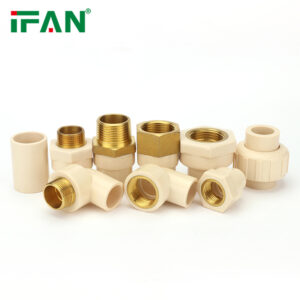
A CPVC fitting union consists of three main parts:
Nut: A threaded ring that tightens the connection.
Female End: Screws onto the male end of one pipe.
Male End: Fits into the female end of another pipe.
When tightened, the nut compresses a gasket or O-ring (often made of EPDM or FKM) between the male and female ends, creating a watertight seal. Unlike glued joints, unions can be unscrewed and reattached, making them reusable and versatile.CPVC fitting unions are available in standard sizes (15mm–300mm) and pressure ratings (up to 400 psi at 73°F), compatible with Schedule 40 and Schedule 80 CPVC pipes.
Key Benefits of CPVC Fitting Unions
Easy Disassembly for Maintenance
Unions allow technicians to disconnect pipes without cutting or replacing fittings, saving time and material costs during repairs, cleaning, or system upgrades.
High-Temperature Resistance
CPVC unions withstand temperatures up to 200°F (93°C), making them suitable for hot-water systems, boiler connections, and industrial heat exchangers.
Chemical Inertness
Unlike metal fittings, CPVC unions resist corrosion from acids, alkalis, and salts, ensuring long-term reliability in chemical processing plants, wastewater treatment facilities, and swimming pools.
Cost-Effective Solution
CPVC unions cost 30–50% less than stainless steel or brass unions and require no specialized tools for installation or removal.
Fire-Retardant Properties
CPVC has a high limiting oxygen index (LOI of 60), meaning it self-extinguishes when exposed to flames, making unions safe for fire sprinkler systems.
Reduced Risk of Leaks
The gasketed seal in CPVC unions provides superior leak resistance compared to threaded metal fittings, which can loosen over time due to vibration or thermal expansion.
Common Applications of CPVC Fitting Unions
Hot-Water Plumbing Systems
Connect water heaters, boilers, and fixtures in residential and commercial buildings. Unions simplify replacement of faulty valves or appliances without re-piping.
Industrial Chemical Transport
Link pipes carrying sulfuric acid, sodium hydroxide, or chlorinated solutions in chemical plants. Unions enable quick access for cleaning or component replacement.
Fire Sprinkler Networks
Used in wet and dry sprinkler systems (e.g., BlazeMaster® CPVC) to facilitate inspections, testing, and repairs without deactivating entire zones.
HVAC & Refrigeration
Join pipes transporting chilled water, glycol, or condensate in commercial HVAC systems. Unions allow easy isolation of components for maintenance.
Swimming Pool & Spa Plumbing
Connect heaters, filters, and chlorinators in pools and spas. Unions simplify winterization by enabling quick draining of equipment.
Agricultural Irrigation
Link pipes distributing hot water or fertilizer solutions in greenhouses. Unions make it easy to replace clogged nozzles or damaged sections.
Installation Best Practices
Select the Right Union Size
Ensure the union’s nominal diameter matches the pipe size (e.g., 20mm union for 20mm CPVC pipe).
Cut Pipes Squarely
Use a fine-toothed saw or CPVC cutter to make clean, burr-free cuts. Wipe ends with a dry cloth to remove debris.
Dry-Fit Components
Assemble the union, pipes, and fittings without adhesive to check alignment. Adjust as needed before permanent installation.
Apply Solvent Cement Correctly
Use CPVC-specific solvent cement (not PVC cement).
Apply a thin, even coat to both the pipe and union ends using a dauber brush.
Insert the pipe fully into the union, twisting slightly to distribute cement.
Hold the joint for 30 seconds to prevent slippage.
Tighten the Nut Properly
Hand-tighten the nut first, then use a wrench to turn it 1–2 additional rotations. Avoid over-tightening, which can crack the union.
Pressure Test the System
Fill the system with water and check for leaks at the union. If leakage occurs, disassemble and reapply cement/tighten the nut.
Maintenance Tips
Inspect Unions Annually: Look for cracks, discoloration, or leaks around the nut and gasket.
Replace Gaskets Periodically: EPDM/FKM gaskets degrade over time; swap them every 5–7 years or as needed.
Avoid Exceeding Temperature Limits: Do not use CPVC unions for fluids above 200°F (93°C).
Protect from UV Light: Paint above-ground unions with UV-resistant coating to prevent brittleness.
Use Correct Tools: Always tighten unions with a properly sized wrench to avoid damage.
Conclusion
CPVC fitting unions are indispensable for creating flexible, leak-proof pipe connections in high-temperature and chemically aggressive environments. Their reusability, cost-effectiveness, and resistance to corrosion make them ideal for hot-water systems, industrial chemical transport, and fire sprinkler networks. By following proper installation techniques—such as using CPVC-specific solvent cement, avoiding over-tightening, and pressure testing—you can ensure long-lasting, maintenance-friendly performance. Whether you’re upgrading a residential plumbing system or designing a factory’s chemical pipeline, CPVC fitting unions offer reliability, safety, and efficiency.IFAN factory started in 1993. And IFAN has workshop 120000 square meter with 610 staff. IFAN can design and produce all plumbing pipe and fitting include PPR,PVC,CPVC PPSU HDPE PEXA PEXB PERT pipe and fitting ,brass fitting, brass ball valve ,heating system , gas system , sanitary faucets and hose, In the past 30 Years, IFAN has never forgotten his mission-To protect health and safety. And IFAN factory use best materials to produce high quality pipe and fittings with automatic production line and high tech quality control machines. The most important,IFAN can guarantee that all pipes and fittings manufactured by IFAN are qualified. More information pls feel free contact us Whatsapp.



 CPVC ASTM2846