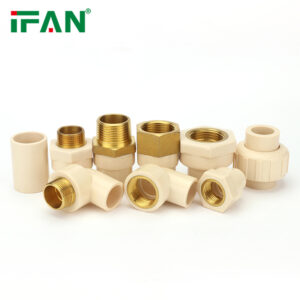
When it comes to durable, corrosion-resistant piping systems for hot and cold water, CPVC fittings are a leading choice for residential, commercial, and industrial applications. CPVC is a thermoplastic material engineered to withstand high temperatures, chemical exposure, and pressure fluctuations better than standard PVC. CPVC fittings—including elbows, tees, couplings, and valves—provide leak-proof connections that resist scaling, pitting, and bacterial growth, making them ideal for potable water, fire suppression, and chemical transport systems. This guide explores the types, benefits, installation techniques, and common uses of CPVC fittings, helping you make informed decisions for your next project.
What Is a CPVC Fitting?
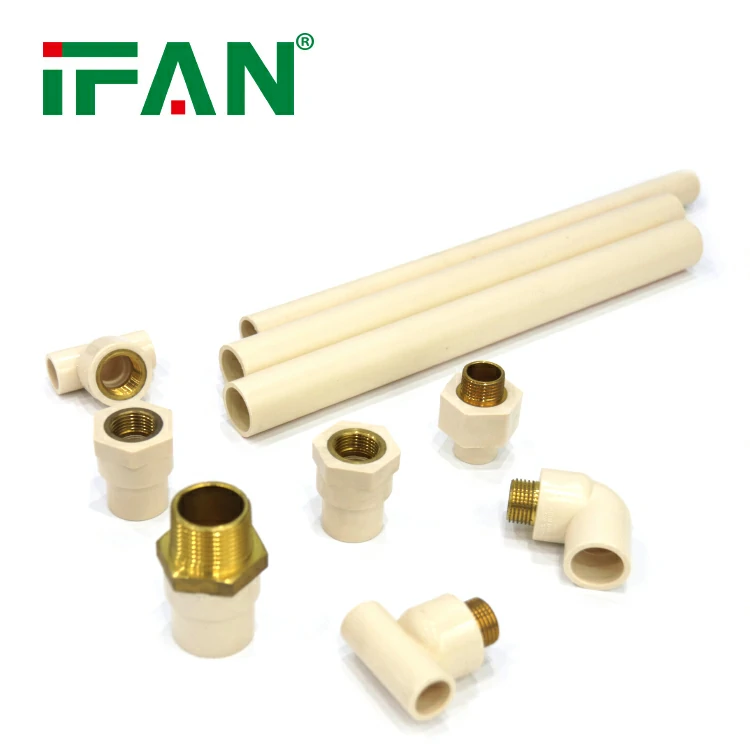
A CPVC fitting is a connector designed to join CPVC pipes securely, enabling the creation of complex piping networks without leaks. Like CPVC pipes, these fittings are made from chlorinated PVC resin, which enhances heat resistance and chemical stability compared to regular PVC. CPVC fittings are available in multiple configurations:
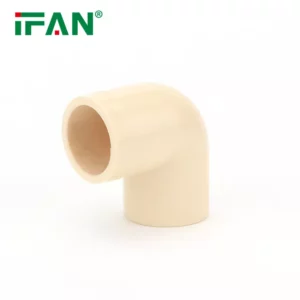
Elbows: Redirect flow at 90-degree or 45-degree angles.
Tees: Split flow into two directions (e.g., for branch lines).
Couplings: Connect two straight pipes end-to-end.
Adapters: Transition between CPVC and other materials (e.g., copper, steel, or PEX).
Valves: Control flow rates or shut off systems entirely.
CPVC fittings are typically joined to pipes using solvent cement welding, a chemical bonding process that melts the surfaces of the pipe and fitting, fusing them into a single, seamless unit. This method ensures a permanent, leak-proof connection suitable for high-pressure applications.
Key Benefits of CPVC Fittings
High Temperature Resistance
CPVC fittings withstand temperatures up to 200°F (93°C), making them ideal for hot water distribution in residential plumbing, commercial kitchens, and industrial processes.
Chemical Corrosion Resistance
Unlike metal fittings, CPVC is immune to rust, scaling, and pitting caused by chlorine, acids, or salts. This makes it perfect for transporting aggressive chemicals in laboratories, swimming pools, and water treatment plants.
Lightweight and Easy to Install
CPVC fittings are 50% lighter than steel and easier to handle than copper, reducing labor costs and installation time. Solvent cement welding eliminates the need for threading, soldering, or heavy tools.
Low Thermal Conductivity
CPVC insulates better than metal, minimizing heat loss in hot water lines and reducing condensation on cold water pipes. This improves energy efficiency and prevents moisture damage to surrounding structures.
Smooth Interior Surface
The glossy finish of CPVC fittings reduces friction, allowing water to flow freely with minimal pressure drop. It also resists biofilm buildup, ensuring cleaner water in potable systems.
Cost-Effective
CPVC fittings are more affordable than copper or stainless steel alternatives and require less maintenance over their 50+ year lifespan, offering long-term savings.
Types of CPVC Fittings
CPVC Elbows
90-Degree Elbows: Create sharp right-angle turns for tight spaces (e.g., under sinks or behind walls).
45-Degree Elbows: Provide gentler bends to reduce turbulence in long horizontal runs.
CPVC Tees
Standard Tees: Split flow into two perpendicular directions.
Reducing Tees: Connect pipes of different diameters, useful for balancing pressure in branch lines.
CPVC Couplings
Straight Couplings: Join two pipes of the same size.
Reducer Couplings: Connect pipes with varying diameters.
CPVC Adapters
Male Adapters: Feature external threads to screw into female fittings (e.g., valves or pumps).
Female Adapters: Have internal threads to receive male-threaded components.
CPVC Valves
Ball Valves: Offer quick shutoff with a 90-degree turn, ideal for emergency water cutoff.
Gate Valves: Provide precise flow control for industrial applications.
CPVC End Caps and Plugs
End Caps: Seal the end of a pipe temporarily during installation or permanently to close off a line.
Plugs: Fit into threaded openings to block flow during testing or maintenance.
Applications of CPVC Fittings
Residential Plumbing
CPVC fittings are widely used in homes for hot and cold water supply lines, showerheads, and sink drains due to their affordability and resistance to chlorinated municipal water.
Commercial Buildings
Hotels, hospitals, and schools rely on CPVC fittings for fire sprinkler systems (rated for temperatures up to 175°F/79°C) and HVAC condensate drainage.
Industrial Piping
CPVC’s chemical resistance makes it suitable for transporting acids, alkalis, and salts in factories, laboratories, and electroplating facilities.
Swimming Pools and Spas
CPVC fittings resist degradation from chlorine and bromine, making them ideal for pool circulation systems and hot tub plumbing.
Agricultural Irrigation
Farmers use CPVC fittings for drip irrigation systems, where the material’s UV resistance and durability ensure long-lasting performance in outdoor environments.
How to Install CPVC Fittings
Solvent Cement Welding Process
Cut the Pipe: Use a CPVC pipe cutter or fine-toothed saw to make a square, clean cut.
Deburr the Edges: Smooth rough edges with sandpaper or a deburring tool to prevent damage to the fitting’s interior.
Dry-Fit the Assembly: Ensure the pipe fits snugly into the fitting without forcing it.
Apply Primer (Optional): Some manufacturers recommend using a purple CPVC primer to soften the surfaces before cementing.
Apply Solvent Cement: Use a dauber to coat both the pipe and fitting interior with CPVC solvent cement.
Assemble the Joint: Insert the pipe fully into the fitting while twisting slightly to distribute the cement evenly.
Hold in Place: Support the joint for 30 seconds to prevent movement as the cement sets.
Cure Time: Allow 24 hours for full curing before pressure testing the system.
Pro Tip: Work in a well-ventilated area and wear gloves to avoid skin contact with solvent cement, which can cause irritation.
Common Mistakes to Avoid
Using PVC Cement on CPVC: PVC and CPVC require different solvent cements; mixing them leads to weak joints.
Skipping Deburring: Rough edges can scratch the fitting’s interior, creating weak spots prone to leaks.
Under-Applying Cement: Insufficient cement results in poor adhesion; ensure full coverage of both surfaces.
Over-Tightening Threaded Fittings: CPVC is brittle; excessive force can crack threaded adapters or valves.
Exposing to UV Light: Prolonged sunlight can degrade CPVC; use UV-resistant paint or cover outdoor pipes with insulation.
Maintenance Tips for CPVC Fittings
Inspect Annually: Check for leaks, cracks, or discoloration, especially in high-temperature or chemical-exposed areas.
Avoid Abrasive Cleaners: Use mild detergents and soft cloths to prevent scratching the surface.
Protect from Physical Damage: Install pipe guards or sleeves in areas prone to impact (e.g., basements or garages).
Flush the System: Periodically run water through the pipes to remove sediment buildup and maintain flow efficiency.
Replace Damaged Fittings Immediately: Even minor cracks can worsen under pressure, leading to costly water damage.
Conclusion
CPVC fittings offer a reliable, cost-effective solution for hot and cold water plumbing, industrial piping, and chemical transport systems. Their heat resistance, chemical stability, and ease of installation make them a superior alternative to metal and PVC in many applications. By selecting the right type of CPVC fitting for your needs and following proper installation techniques, you can ensure leak-proof, long-lasting performance that minimizes maintenance and downtime.IFAN factory started in 1993. And IFAN has workshop 120000 square meter with 610 staff. IFAN can design and produce all plumbing pipe and fitting include PPR,PVC,CPVC PPSU HDPE PEXA PEXB PERT pipe and fitting ,brass fitting, brass ball valve ,heating system , gas system , sanitary faucets and hose, In the past 30 Years, IFAN has never forgotten his mission-To protect health and safety. And IFAN factory use best materials to produce high quality pipe and fittings with automatic production line and high tech quality control machines. The most important,IFAN can guarantee that all pipes and fittings manufactured by IFAN are qualified. More information pls feel free contact us Whatsapp.