
Introduction
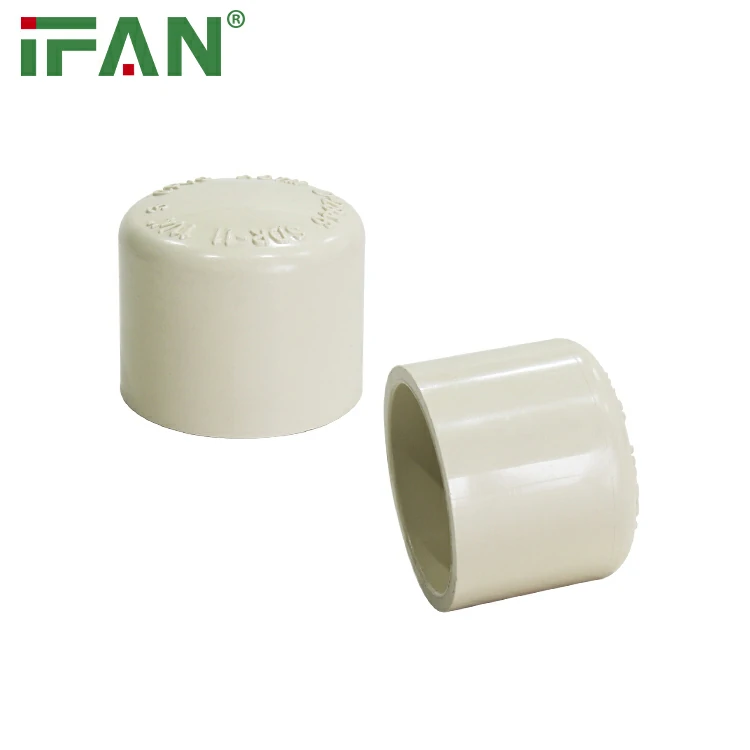
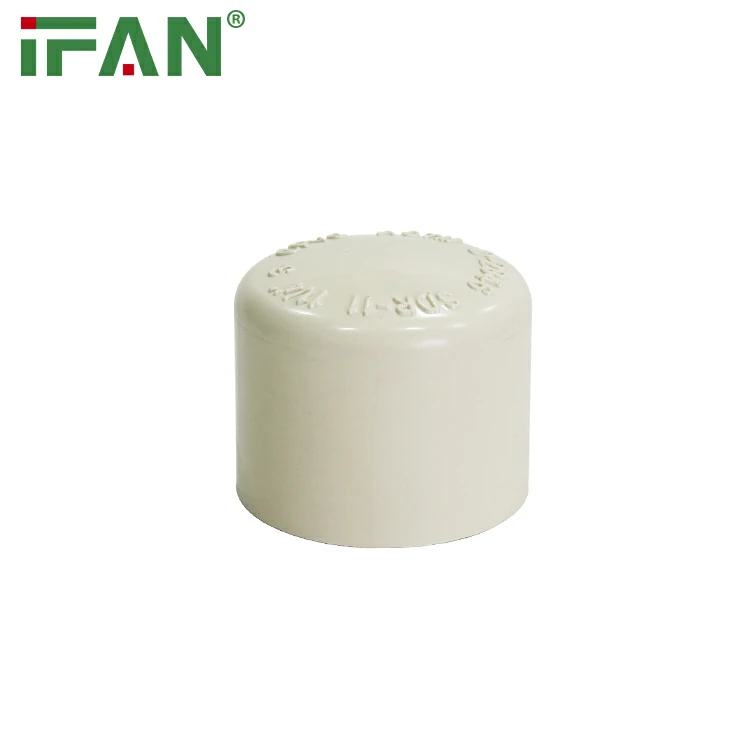
CPVC pipe fitting caps are essential components in plumbing and industrial systems, providing leak-proof seals for pipe ends, branches, or equipment connections. Their durability, chemical resistance, and ease of installation make them a preferred choice over traditional materials like metal or PVC. This article explores the types, applications, installation tips, and maintenance strategies for CPVC pipe fitting caps.
Understanding CPVC Pipe Fitting Caps
What Are CPVC Pipe Fitting Caps?
CPVC pipe fitting caps are designed to cover and seal the open ends of pipes, preventing debris entry, fluid leakage, or contamination. Unlike threaded metal caps, CPVC caps offer corrosion resistance and thermal stability, making them suitable for high-temperature applications (up to 200°F/93°C).
Key Advantages of CPVC Caps
- Chemical Resistance: CPVC resists acids, alkalis, and salts, ideal for chemical processing plants.
- Cost-Effectiveness: Lower material and installation costs compared to stainless steel or brass.
- Ease of Installation: Lightweight and compatible with solvent-cement or threaded connections.
- Longevity: UV-resistant coatings extend outdoor lifespan.
Types of CPVC Pipe Fitting Caps
1. Slip-On Caps
Slip-on caps are the most common type, designed to fit over the end of a pipe. They are secured using CPVC solvent cement, which chemically bonds the cap to the pipe. Ideal for low-pressure systems.
2. Threaded Caps
Threaded caps feature internal threads that match the pipe’s external threads. These are suitable for high-pressure applications or systems requiring frequent disassembly.
3. Flanged Caps
Flanged caps have a raised rim with bolt holes, used for connecting to flanged pipes or equipment. Common in industrial settings.
4. End Caps with Pressure Ratings
Some CPVC caps are rated for specific pressures (e.g., 150 psi or 300 psi), ensuring compatibility with system requirements.
Applications of CPVC Pipe Fitting Caps
1. Plumbing Systems
CPVC caps protect unused pipe ends in residential and commercial buildings, preventing water wastage and contamination.
2. Chemical Processing
In industries handling corrosive fluids, CPVC caps prevent leaks and extend equipment lifespan.
3. HVAC Systems
Used to seal refrigerant lines or condensate drains, ensuring energy efficiency and system reliability.
4. Wastewater Treatment
CPVC’s resistance to sewage chemicals makes it a staple in municipal and industrial waste management.
Installation Best Practices
Surface Preparation
Ensure the pipe end is clean, deburred, and free of grease or dirt. Roughen the surface slightly to improve solvent-cement adhesion.
Solvent-Cement Application
Apply a thin, even coat of CPVC solvent cement to both the pipe and the cap. Avoid over-application, which can cause drips or weak joints.
Alignment and Insertion
Quickly align the cap with the pipe and rotate it ¼-turn to spread the cement evenly. Hold for 30 seconds to prevent slippage.
Curing Time
Allow the joint to cure for at least 24 hours before pressure testing. Temperature and humidity can affect curing speed.
For Threaded Caps: Use PTFE tape or pipe dope to lubricate threads and prevent galling. Tighten by hand, then use a wrench for the final ¼-turn.
Maintenance and Troubleshooting
Regular Inspections
Check for cracks, discoloration, or solvent-cement degradation. UV exposure can cause yellowing, so use caps with UV inhibitors for outdoor use.
Leak Detection
If leaks occur, inspect the solvent-cement joint for gaps or debris. Reapply solvent cement or replace the cap if necessary.
Thermal Expansion Management
CPVC expands with heat. Use expansion loops or flexible couplings near caps to prevent stress on the joint.
Replacing Damaged Caps
Cut the old cap using a CPVC pipe cutter and clean the pipe end. Follow the installation steps for a new cap.
Comparing CPVC Caps with Alternative Materials.
CPVC vs. PP Caps
Polypropylene (PP) caps are more flexible but less rigid than CPVC, making CPVC preferable for high-pressure applications.
Environmental and Safety Considerations
Recyclability
CPVC is recyclable, though facilities may be limited. Always check local regulations for disposal.
Fire Safety
CPVC is self-extinguishing and emits less smoke than PVC, enhancing safety in fire-prone areas.
Worker Safety
Use gloves and eye protection when handling solvent cement. Ensure proper ventilation during installation.
IFAN factory started in 1993. And IFAN has workshop 120000 square meter with 610 staff. IFAN can design and produce all plumbing pipe and fitting include PPR,PVC,CPVC PPSU HDPE PEXA PEXB PERT pipe and fitting ,brass fitting, brass ball valve ,heating system , gas system , sanitary faucets and hose, In the past 30 Years, IFAN has never forgotten his mission-To protect health and safety. And IFAN factory use best materials to produce high quality pipe and fittings with automatic production line and high tech quality control machines. The most important,IFAN can guarantee that all pipes and fittings manufactured by IFAN are qualified. More information pls feel free contact us Whatsapp.
Related products

- Uncategorized
Male Threaded UPVC Tee
- Uncategorized
UPVC SCH80 Pipe Fitting
- Gas
IFAN Gas Pipe