HDPE Fitting Female Elbow: A Complete Guide to Design, Applications
Description
Introduction
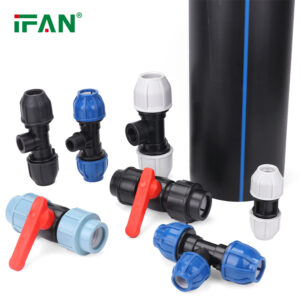
HDPE fitting female elbows are specialized pipe connectors designed to combine directional flow changes with female-threaded ends for easy integration with male-threaded pipes or fittings. Unlike standard elbows, these components eliminate the need for additional adapters, streamlining installation in tight spaces. Made from high-density polyethylene (HDPE), they offer corrosion resistance, flexibility, and fusion-welded durability, making them ideal for municipal water systems, gas pipelines, and industrial applications.
What Is an HDPE Fitting Female Elbow?
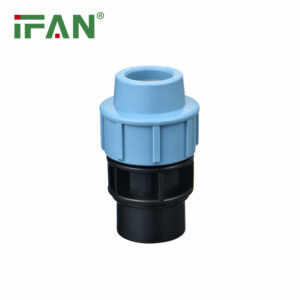
An HDPE fitting female elbow is a molded or fabricated pipe component with a 90° or 45° bend and female-threaded sockets at both ends. These sockets accept male-threaded pipes, valves, or sensors, enabling quick connections without welding. Manufactured from PE100 or PE80 polyethylene, they comply with standards like ISO 4427 and ASTM D2513, ensuring compatibility with HDPE pipes ranging from 20 mm to 630 mm in diameter.Key features include:
Threaded Versatility: Female threads (typically BSPT or NPT) allow direct attachment to male-threaded components, reducing joint count.
Chemical Resistance: HDPE is inert to acids, alkalis, and salts, preventing degradation in aggressive environments.
Impact Strength: Withstands accidental impacts without cracking, unlike brittle materials like PVC.
Lightweight Design: Weighs 70% less than steel, lowering transportation and handling costs.
Types of HDPE Fitting Female Elbows
Standard Female Elbows (90°/45°)
The most common type, used to redirect flow in straight pipelines. Available in short-radius (SR) and long-radius (LR) variants, with LR elbows minimizing turbulence in high-flow systems.
Reducing Female Elbows
Combine a directional change with a diameter transition (e.g., 63 mm to 32 mm). These are critical in systems where flow rates vary, such as irrigation networks or chemical processing plants.
Electrofusion Female Elbows
Feature embedded heating coils for precise welding, enabling faster installation in underground or hard-to-reach areas. Common in gas distribution networks, they reduce human error compared to manual fusion methods.
Fabricated Female Elbows
For large-diameter pipelines (>450 mm), elbows are custom-fabricated by heating and bending HDPE sheets. These are tested to EN 12201-3 for pressure ratings up to 16 bar.
Key Applications
Municipal Water Systems
Female elbows simplify connections to water meters, valves, and hydrants. For example, in Singapore’s water grid upgrade, 90° female elbows reduced installation time by 30% compared to flanged alternatives.
Natural Gas Distribution
Certified to ASTM D2513, these elbows resist degradation from methane and hydrogen sulfide, ensuring safe operation at -40°C to 40°C. They are widely used in residential gas lines and LNG terminals.
Industrial Chemical Transport
In chemical plants, female elbows handle corrosive substances like sodium hydroxide without rusting. Their smooth interior reduces friction, lowering pumping energy costs by 15–20% versus steel.
Agricultural Irrigation
Farmers use female elbows to connect drip tapes to mainlines or attach pressure regulators. The fittings’ UV resistance ensures longevity in open fields, with a lifespan exceeding 50 years.
Fire Protection Systems
Female elbows enable quick attachment of sprinkler heads or flow sensors in high-rise buildings. Their fusion-welded joints prevent leaks, a critical requirement for fire safety compliance.
Advantages Over Male Elbows or Flanged Fittings
Reduced Leak Points
Female threads eliminate the need for additional couplings, reducing potential failure points in pressurized systems.
Faster Installation
Threading pipes directly into the elbow saves time compared to welding male elbows or aligning flanges with bolts.
Space Efficiency
Compact design makes female elbows ideal for crowded mechanical rooms or underground vaults where welding equipment cannot operate.
Cost Savings
While HDPE female elbows cost 10–15% more than male equivalents, their labor efficiency offsets expenses in large-scale projects.
Installation Best Practices
Thread Preparation
Wrap male threads with PTFE tape (3–4 wraps clockwise) or apply Teflon-based pipe dope to ensure a leak-proof seal.
Avoid over-tightening, which can crack the HDPE elbow. Use a torque wrench set to 40–60 Nm for 1-inch fittings.
Welding Considerations
For electrofusion female elbows, follow manufacturer guidelines for voltage (e.g., 39.5V for 63 mm fittings) and cooling time (20 minutes before pressurization).
In butt fusion applications, ensure the elbow and pipe are heated to 260°C (for PE100) before joining.
Pipeline Design Tips
Use 45° female elbows instead of 90° in high-flow systems to reduce turbulence and pressure drop.
Install support brackets every 3 meters for horizontal pipelines to prevent sagging at the elbow joint.
Post-Installation Testing
Conduct hydrostatic tests at 1.5x working pressure for 2 hours.
Inspect threads for gaps or cross-threading, which can cause leaks under vibration.
Market Trends and Innovations
Smart Female Elbows
Companies like Mueller Water Products now offer IoT-enabled elbows with embedded sensors to monitor flow rates, pressure, and temperature in real time.
Anti-Microbial Coatings
For potable water systems, manufacturers are applying silver-ion coatings to female threads to inhibit bacterial growth, meeting NSF 61 standards.
3D-Printed Custom Elbows
Additive manufacturing allows production of female elbows with non-standard angles (e.g., 22.5°) or integrated sensors, reducing lead times by 50%.
Conclusion
HDPE fitting female elbows are transforming pipeline connectivity with their threaded efficiency, corrosion resistance, and space-saving design. From municipal water networks to industrial chemical plants, these fittings offer a reliable, cost-effective alternative to flanged or welded connections. By adhering to best practices in thread sealing, welding, and system design, engineers can ensure decades of leak-free operation while reducing maintenance costs. As smart technologies and sustainable materials continue to evolve, HDPE female elbows will remain at the forefront of modern pipeline infrastructure.IFAN factory started in 1993. And IFAN has workshop 120000 square meter with 610 staff. IFAN can design and produce all plumbing pipe and fitting include PPR,PVC,CPVC PPSU HDPE PEXA PEXB PERT pipe and fitting ,brass fitting, brass ball valve ,heating system , gas system , sanitary faucets and hose, In the past 30 Years, IFAN has never forgotten his mission-To protect health and safety. And IFAN factory use best materials to produce high quality pipe and fittings with automatic production line and high tech quality control machines. The most important,IFAN can guarantee that all pipes and fittings manufactured by IFAN are qualified. More information pls feel free contact us Whatsapp.



 PP Fitting 603