HDPE Fitting Male Socket: A Comprehensive Guide to Design, Applications
Description
Introduction
HDPE fitting male sockets are indispensable components in modern pipeline networks, designed to create secure, leak-proof connections between HDPE pipes and other fittings. Engineered for socket fusion welding, these male-ended connectors ensure seamless integration with female sockets or adapters, eliminating the need for adhesives or mechanical fasteners.
What Is an HDPE Fitting Male Socket?
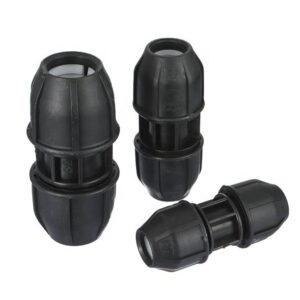
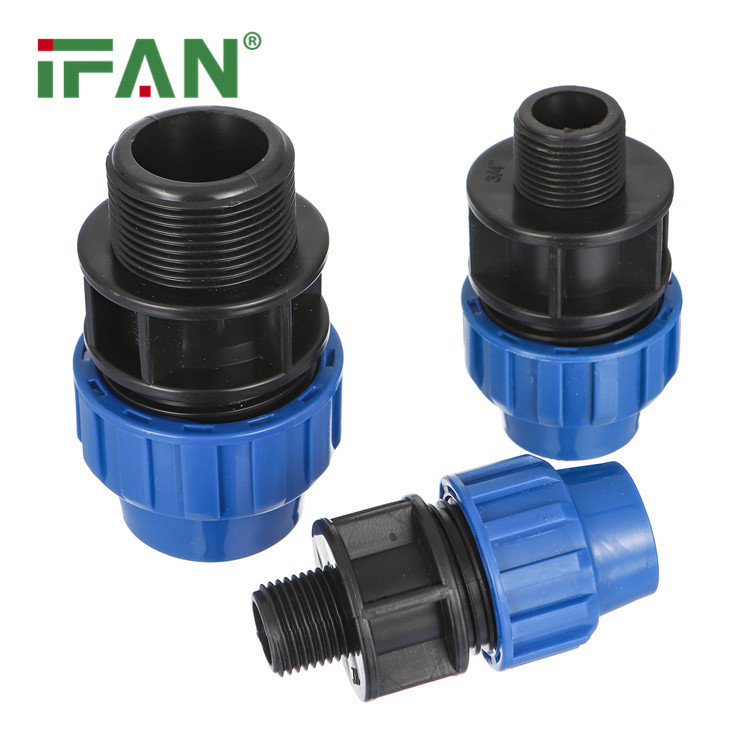
An HDPE fitting male socket is a cylindrical connector with a protruding spigot (male end) designed to fit into a female socket or coupling. Typically manufactured from PE100 or PE80 polyethylene, these fittings adhere to international standards like ISO 4427 and EN 12201-3, ensuring compatibility with HDPE pipes of varying diameters (up to 160 mm for standard models). The male spigot is slightly tapered to facilitate easy insertion and a tight seal during fusion welding, which involves heating both the spigot and socket to 260–270°C before pressing them together. This process creates a homogeneous joint with tensile strength exceeding that of the pipe itself.
Key Applications
Potable Water Systems
HDPE male sockets are widely used in municipal water networks due to their FDA-approved material composition, which prevents contamination and ensures safe drinking water delivery. For example, in rural water projects, they connect branch lines to main pipelines efficiently.
Gas Distribution Networks
The chemical inertness of HDPE makes male sockets ideal for natural gas and LPG pipelines.
Industrial Piping
In chemical plants and wastewater treatment facilities, male sockets resist corrosion from aggressive substances like sulfuric acid and chlorine. Their flexibility also accommodates ground movement without cracking, reducing downtime.
Irrigation Systems
Agricultural projects leverage HDPE male sockets to connect drip lines and sprinklers, minimizing water loss through leak-proof joints. The fittings’ UV resistance ensures longevity in outdoor environments.
Advantages Over Alternative Fittings
Superior Leak Prevention
Socket fusion welding creates a monolithic bond, unlike threaded or glued connections that degrade over time. This is critical for high-pressure applications like fire suppression systems.
Environmental Sustainability
HDPE is 100% recyclable, and leading manufacturers like Berlia Pipes use recycled content in production. The fittings’ 50+ year lifespan reduces material waste and carbon footprints.
Cost Efficiency
While HDPE male sockets may cost 20–30% more than PVC alternatives, their lower installation labor (no specialized welding skills required) and minimal maintenance offset initial expenses.
Chemical and Abrasion Resistance
Unlike metal fittings, HDPE does not rust or scale, making it suitable for saline coastal areas or mining slurry transport.
Installation Best Practices
Pre-Installation Checks
Verify fittings meet ISO 9001 quality standards and are rated for the intended pressure and temperature.
Inspect pipes for scratches or deformities; even minor flaws can compromise fusion quality.
Welding Parameters
Use calibrated socket fusion tools to maintain consistent heating (e.g., 260°C for PE100).
Follow manufacturer guidelines for heating time (typically 5–10 seconds per mm of wall thickness) and cooling duration (avoid disturbing joints for 2–3 minutes).
Pipeline Design Considerations
Ensure proper support spacing (every 1.2–1.5 meters for 110 mm pipes) to prevent sagging.
Avoid sharp bends; use 45° or 90° elbows with a minimum radius of 8x pipe diameter to reduce stress.
Post-Installation Testing
Conduct hydrostatic tests at 1.5x working pressure for 1 hour.
Inspect joints for discoloration (overheating) or gaps (incomplete fusion).
Market Trends and Innovations
The HDPE fitting male socket market is evolving with advancements in material science and manufacturing:
Electrofusion Technology: Some male sockets now incorporate embedded heating coils for quicker, more precise welding, reducing human error.
Biodegradable Additives: Researchers are testing HDPE composites with enzymes that accelerate decomposition post-service life, addressing plastic waste concerns.
Smart Sensors: IoT-enabled fittings monitor pressure and temperature in real time, alerting operators to potential leaks or blockages.
Conclusion
HDPE fitting male sockets are revolutionizing pipeline connectivity with their fusion-welded reliability, cost efficiency, and eco-friendly design. As industries prioritize sustainable infrastructure and zero-leak systems, these fittings will remain at the forefront of fluid transport solutions.IFAN factory started in 1993. And IFAN has workshop 120000 square meter with 610 staff. IFAN can design and produce all plumbing pipe and fitting include PPR,PVC,CPVC PPSU HDPE PEXA PEXB PERT pipe and fitting ,brass fitting, brass ball valve ,heating system , gas system , sanitary faucets and hose, In the past 30 Years, IFAN has never forgotten his mission-To protect health and safety. And IFAN factory use best materials to produce high quality pipe and fittings with automatic production line and high tech quality control machines. The most important,IFAN can guarantee that all pipes and fittings manufactured by IFAN are qualified. More information pls feel free contact us Whatsapp



 PP Fitting 603