HDPE Fitting Socket: The Cornerstone of Modern Pipeline Systems
Description
Introduction
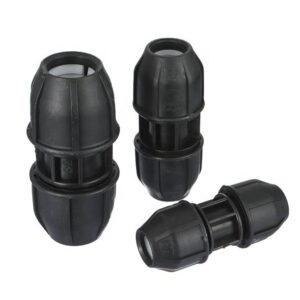
High-Density Polyethylene (HDPE) fitting sockets have revolutionized pipeline engineering across industries, offering a durable, cost-effective, and eco-friendly alternative to traditional metal or PVC connectors. Designed for socket fusion welding, these fittings create seamless, leak-proof joints without adhesives or chemicals, making them ideal for water supply, gas distribution, irrigation, and industrial piping. This article delves into their technical specifications, applications, and why they are pivotal in sustainable infrastructure development.
What Are HDPE Fitting Sockets?
HDPE fitting sockets are specialized connectors used to join HDPE pipes of diameters up to 110 mm (4 inches). They are manufactured from high-grade PE100 or PE80 resins, ensuring exceptional pressure resistance (up to 25 bar) and a lifespan exceeding 50 years under optimal conditions. The socket fusion process involves heating the pipe end and the socket’s inner surface simultaneously, then pressing them together to form a homogeneous bond. This method eliminates weak points, ensuring zero leakage—a critical feature for water conservation and gas safety.
Key Applications
Water Supply Systems
HDPE sockets are widely used in municipal water networks due to their corrosion resistance and ability to withstand ground movement. For instance, in agricultural irrigation, they enable efficient drip and sprinkler systems by connecting branch lines with minimal pressure loss.
Gas Distribution
The chemical inertness of HDPE makes sockets ideal for natural gas pipelines, where safety and durability are paramount. Companies like Ryan Herco Flow Solutions supply certified fittings for fuel systems, adhering to EN1555 and ISO4427 standards.
Industrial Piping
In chemical plants and wastewater treatment facilities, HDPE sockets resist aggressive substances like acids and solvents, reducing maintenance costs. Their flexibility also accommodates thermal expansion without cracking.
Infrastructure Modernization
Governments worldwide are replacing aging metal pipes with HDPE solutions. A 2024 market report highlights a 6.8% CAGR in HDPE fitting adoption, driven by urbanization and sustainability mandates.
Advantages Over Traditional Fittings
Leak-Proof Performance
Socket fusion creates a monolithic joint, eliminating risks associated with threaded or glued connections. This is vital for preventing water contamination in potable systems.
Environmental Sustainability
HDPE is 100% recyclable, and leading manufacturers like SUNPLAST use recycled materials in production. The fittings’ longevity reduces waste, aligning with global circular economy goals.
Cost Efficiency
While HDPE sockets may have a higher upfront cost than PVC, their low installation labor (no welding expertise required) and minimal maintenance translate to long-term savings.
Chemical Resistance
Unlike metal, HDPE does not rust or corrode, making it suitable for saline environments or industrial effluents.
Installation Best Practices
Quality Control
Verify fittings meet ISO9001 and EN12201-3 certifications.
Inspect pipes for cracks or deformities before welding.
Welding Parameters
Use calibrated socket fusion tools to maintain consistent temperature (typically 260°C for PE100).
Follow manufacturer guidelines for heating and cooling times to avoid voids or burnthrough.
Pipeline Design
Ensure proper support spacing (every 1.5–2 meters for 110 mm pipes) to prevent sagging.
Avoid sharp bends; use dedicated elbows with a minimum radius of 8x pipe diameter.
Post-Installation Testing
Conduct hydrostatic pressure tests at 1.5x working pressure for 2 hours.
Inspect joints for discoloration or bulging, indicators of incomplete fusion.
Market Trends and Innovations
The HDPE fitting socket market is evolving with smart manufacturing and eco-conscious practices:
3D Printing: Custom fittings for complex layouts are now feasible, reducing lead times.
Biodegradable Additives: Researchers are developing HDPE composites that degrade faster post-service life.
Digital Twins: IoT sensors embedded in fittings monitor stress and leakage in real time.
Conclusion
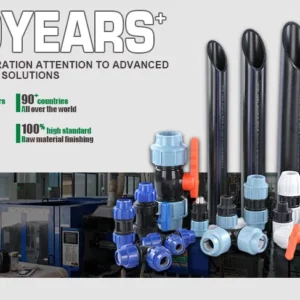
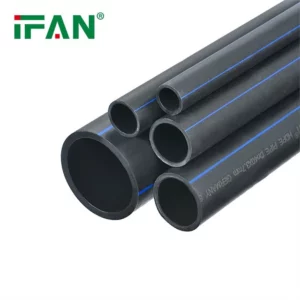
HDPE fitting sockets are redefining pipeline reliability across sectors. Their fusion-welded joints, combined with HDPE’s inherent durability, make them indispensable for modern infrastructure. As industries prioritize sustainability and cost optimization, these fittings will continue to dominate, offering a greener, safer future for fluid transport systems.IFAN factory started in 1993. And IFAN has workshop 120000 square meter with 610 staff. IFAN can design and produce all plumbing pipe and fitting include PPR,PVC,CPVC PPSU HDPE PEXA PEXB PERT pipe and fitting ,brass fitting, brass ball valve ,heating system , gas system , sanitary faucets and hose, In the past 30 Years, IFAN has never forgotten his mission-To protect health and safety. And IFAN factory use best materials to produce high quality pipe and fittings with automatic production line and high tech quality control machines. The most important,IFAN can guarantee that all pipes and fittings manufactured by IFAN are qualified. More information pls feel free contact us Whatsapp.



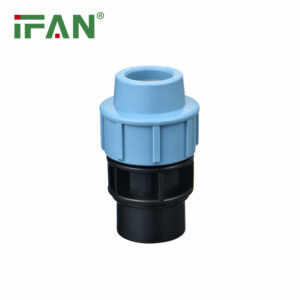
 PP Fitting 601