HDPE Fitting Tee: The Ultimate Guide to Applications, Advantages
Description
Introduction
High-Density Polyethylene (HDPE) fitting tees are indispensable components in modern piping systems, designed to split or combine fluid flow in residential, agricultural, and industrial applications. Their lightweight yet robust structure, coupled with resistance to corrosion and chemicals, makes them a preferred choice for sustainable infrastructure projects. This guide delves into the types, advantages, installation techniques, and market trends surrounding HDPE fitting tees.
Types of HDPE Fitting Tees
HDPE tees are categorized based on their structural design and functional requirements:
Equal Tees
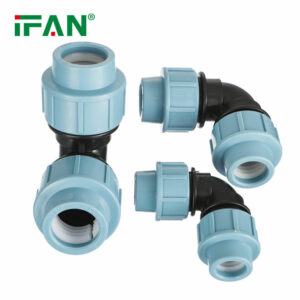
These fittings feature three identical openings, enabling seamless branching in pipelines with uniform diameters. Common in residential plumbing and irrigation systems, equal tees ensure balanced flow distribution. For example, a 63mm equal tee connects three pipes of the same size, facilitating efficient water distribution in drip irrigation networks.
Reducing Tees
Designed for pipelines with varying diameters, reducing tees have one outlet smaller than the other two. This configuration is critical in industrial settings where pressure regulation is essential. For instance, a 110mm×63mm reducing tee diverts flow from a main pipeline to a smaller branch without compromising system integrity.
Wye Tees
Featuring a 45-degree split, wye tees reduce turbulence and sediment buildup in drainage systems. They are widely used in sewage networks to maintain optimal flow velocity.
Key Advantages of HDPE Fitting Tees
Durability and Chemical Resistance
HDPE’s molecular structure resists corrosion from acids, alkalis, and salts, making it ideal for chemical transportation and wastewater management. A study by the Global HDPE Pipes and Fittings Market Report highlights that HDPE fittings reduce maintenance costs by 40% compared to traditional materials like PVC or metal.
Environmental Sustainability
HDPE is non-toxic and fully recyclable, aligning with circular economy principles. Its production consumes 30% less energy than steel, and its lightweight nature lowers transportation emissions. For example, IFAN’s 604 Equal-Diameter HDPE Quick-Connect Fittings reduce shipping costs by 25% due to their 0.081kg/unit weight.
Ease of Installation
HDPE tees are fused using heat or electrofusion, creating leak-proof joints without adhesives. This method eliminates weak points, ensuring system longevity. Mechanical couplings offer flexibility for temporary setups, such as construction site water supply.
Flexibility and Adaptability
HDPE’s malleability allows installation in uneven terrains without additional joints. In agriculture, this reduces the risk of leaks in drip irrigation systems, where a single fracture can disrupt entire fields.
Applications Across Industries
Water Distribution Systems
Municipalities use HDPE tees in water supply networks due to their resistance to scale buildup and low friction loss. For instance, China’s rural water projects deploy HDPE pipelines with tees to connect households efficiently.
Agricultural Irrigation
HDPE tees support drip and sprinkler systems by connecting lateral pipes to mainlines. IFAN’s blue quick-connect tees (20×1/2″–63×2″) enable farmers to identify pipelines easily, reducing maintenance time by 50%.
Gas Distribution
HDPE’s resistance to hydrogen sulfide makes it suitable for natural gas pipelines. In India, gas companies use reducing tees to branch off smaller pipelines for residential connections.
Industrial Piping
Chemical plants rely on HDPE tees for corrosive fluid transport. Their fusion-welded joints withstand high pressures, minimizing downtime in production lines.
Installation Best Practices
Pre-Installation Checks
Verify pipe and tee compatibility using ASTM D3350 standards.
Inspect for cracks or deformities using ultrasonic testing tools.
Heat Fusion Technique
Clean pipe ends with a rotary brush to remove contaminants.
Heat the tee and pipe ends to 210°C using a fusion machine.
Press the components together for 7 seconds to form a homogenous bond.
Post-Installation Testing
Conduct hydrostatic tests at 1.5x the operating pressure for 2 hours.
Use acoustic leak detectors to identify weak joints in underground installations.
Market Trends and Growth Drivers
The global HDPE pipes and fittings market is projected to reach $25.64 billion by 2029, driven by urbanization in Asia-Pacific regions. China and India account for 40% of demand, fueled by agricultural modernization and gas infrastructure expansion. Smart fittings with IoT sensors, like IFAN’s pressure-monitoring tees, are gaining traction in smart city projects, reducing manual inspections by 70%.
Conclusion
HDPE fitting tees are revolutionizing piping systems with their durability, sustainability, and cost-efficiency. From agricultural irrigation to industrial chemical transport, their versatility ensures reliable performance across diverse applications. As markets like China and India prioritize eco-friendly infrastructure, HDPE tees are poised to play a pivotal role in shaping the future of fluid management.IFAN factory started in 1993. And IFAN has workshop 120000 square meter with 610 staff. IFAN can design and produce all plumbing pipe and fitting include PPR,PVC,CPVC PPSU HDPE PEXA PEXB PERT pipe and fitting ,brass fitting, brass ball valve ,heating system , gas system , sanitary faucets and hose, In the past 30 Years, IFAN has never forgotten his mission-To protect health and safety. And IFAN factory use best materials to produce high quality pipe and fittings with automatic production line and high tech quality control machines. The most important,IFAN can guarantee that all pipes and fittings manufactured by IFAN are qualified. More information pls feel free contact us Whatsapp.



 PP Fitting 601