

Introduction
HDPE fittings, an abbreviation for High-Density Polyethylene fittings, have revolutionized the plumbing and irrigation industries. Known for their durability, flexibility, and resistance to chemicals and corrosion, HDPE fittings offer a multitude of benefits that make them indispensable in various applications. From municipal water supply systems to agricultural irrigation, HDPE fittings stand out due to their versatility and reliability. This article explores the unique properties, installation processes, and diverse applications of HDPE fittings, highlighting why they have become a preferred choice for professionals worldwide.
Unique Properties of HDPE Fittings
HDPE fittings are renowned for their high density, which grants them exceptional strength and stiffness. This material can withstand extreme temperatures, ranging from freezing cold to scorching heat, without compromising its structural integrity. Furthermore, HDPE’s chemical resistance ensures it remains unaffected by most acids, bases, and solvents, making it ideal for use in harsh environments. Its non-toxic nature also makes HDPE suitable for potable water systems, adhering to strict health and safety regulations.
The flexibility of HDPE fittings is another noteworthy feature. Unlike rigid materials like metal or PVC, HDPE can bend and conform to various layouts without the need for numerous joints. This reduces the risk of leaks and enhances the overall efficiency of the system. Additionally, HDPE’s lightweight nature facilitates easier handling and installation, reducing labor costs and time.
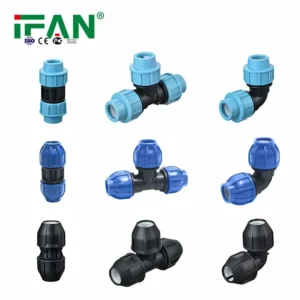
Installation Processes and Techniques
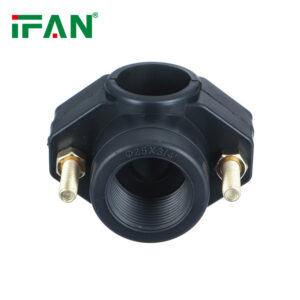
Installing these involves several techniques tailored to specific applications. Fusion welding is a common method where two pieces of HDPE are melted together to form a seamless joint. This process ensures a strong, leak-proof connection that can withstand high pressures. Butt fusion and socket fusion are two types of fusion welding widely used, depending on the size and configuration of the fitting.
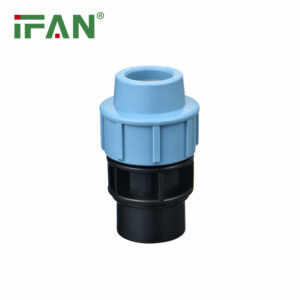
Mechanical joints, such as flanged connections or clamp systems, offer an alternative installation method. These joints are particularly useful in areas where fusion welding is impractical or difficult to perform. They provide a secure, reliable connection that can be easily disassembled for maintenance or repairs.
Proper installation techniques and adherence to manufacturer guidelines are crucial to ensure the longevity and performance of HDPE fittings. Trained professionals should carry out installations to guarantee optimal results.
Diverse Applications of HDPE Fittings
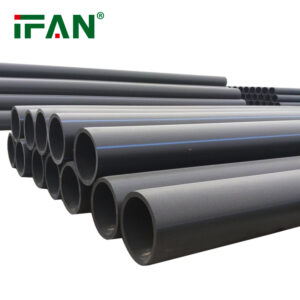
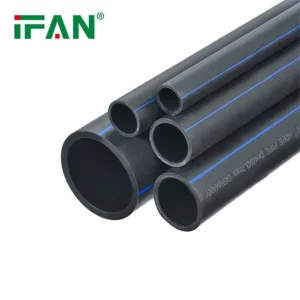
HDPE fittings find their way into a myriad of applications across different sectors. In municipal water supply systems, HDPE pipes and fittings are used to transport clean water efficiently over long distances. Their corrosion resistance and ability to withstand harsh weather conditions make them ideal for underground installations.
The agricultural sector benefits immensely from HDPE fittings in irrigation systems. These systems require durable, flexible pipes that can withstand the abuse of farm equipment and varying soil conditions. HDPE’s resistance to UV radiation and root intrusion ensures long-term performance, minimizing downtime and maintenance costs.
Industrial applications, such as chemical processing and wastewater treatment, also leverage HDPE fittings due to their chemical resistance and ability to handle high pressures. In mining operations, HDPE pipes and fittings are used for slurry transport, withstanding abrasive materials and extreme pressures.
Cost-Effectiveness and Sustainability
The cost-effectiveness of HDPE fittings stems from their durability and low maintenance requirements. With a lifespan spanning several decades, HDPE systems offer a significant return on investment compared to traditional materials. Additionally, HDPE is fully recyclable, contributing to its sustainability. Manufacturers are increasingly adopting eco-friendly production processes to reduce the environmental footprint of it.
Conclusion
In conclusion, these have transformed the plumbing and irrigation landscapes with their versatility, durability, and cost-effectiveness. Their unique properties make them suitable for a wide range of applications, from municipal water supply to agricultural irrigation. Proper installation techniques and adherence to manufacturer guidelines ensure optimal performance and longevity. As the world strives for more sustainable solutions, HDPE’s recyclability further cements its position as a leading material in the industry. The future of HDPE fittings looks promising, with continuous innovations enhancing their capabilities and expanding their potential uses.
IFAN factory started in 1993. And IFAN has workshop 120000 square meter with 610 staff. IFAN can design and produce all plumbing pipe and fitting include PPR,PVC,CPVC PPSU HDPE PEXA PEXB PERT pipe and fitting ,brass fitting, brass ball valve ,heating system , gas system , sanitary faucets and hose, In the past 30 Years, IFAN has never forgotten his mission-To protect health and safety. And IFAN factory use best materials to produce high quality pipe and fittings with automatic production line and high tech quality control machines. The most important,IFAN can guarantee that all pipes and fittings manufactured by IFAN are qualified. More information pls feel free contact us Whatsapp.
Related products

- HDPE pipe
IFAN Black HDPE Pipe
- HDPE pipe
HDPE Pipe
- PP Fitting 601
IFAN PP Fitting PP601