HDPE Pipe Fitting Tee: Types, Installation, and Applications
Description
Introduction
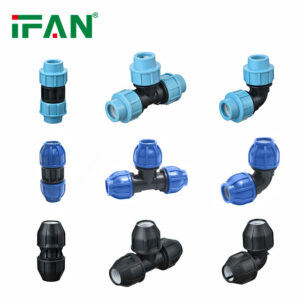
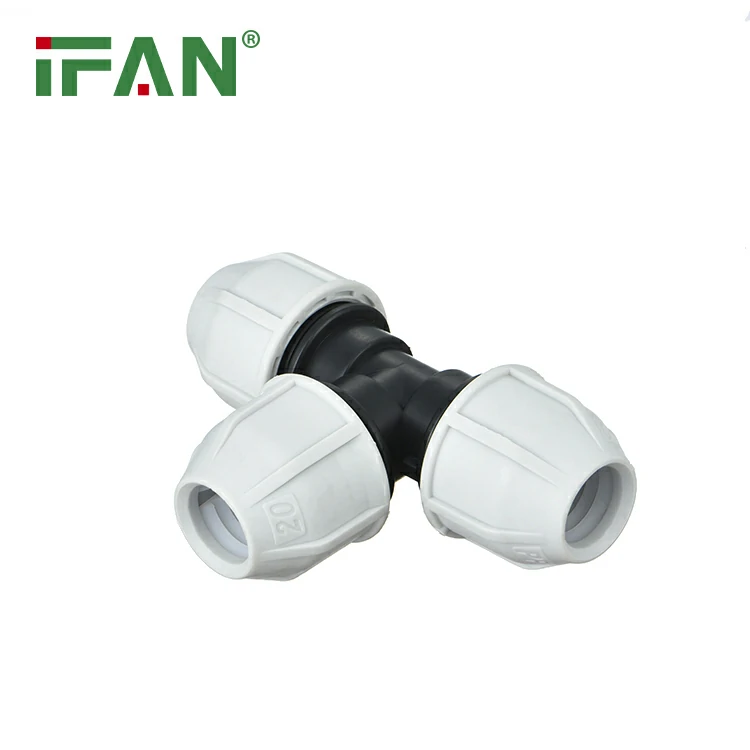
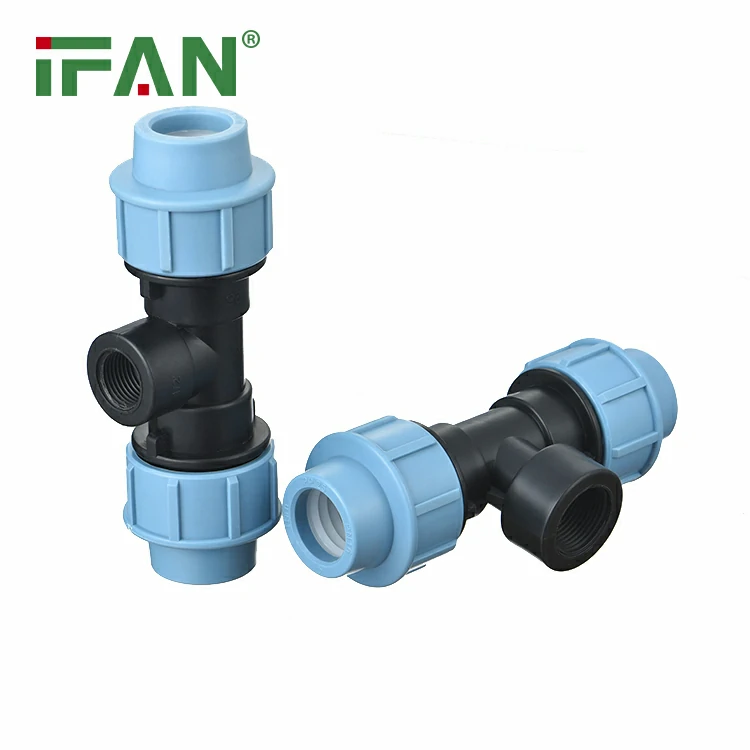
HDPE pipe fitting tees are critical components for splitting or redirecting fluid flow in pipelines. Made from high-density polyethylene (HDPE), these tees offer durability, corrosion resistance, and leak-proof connections. Ideal for water supply, sewage, gas distribution, and industrial applications, HDPE tees ensure efficient flow management while reducing maintenance costs. This guide explores their types, installation techniques, advantages, and selection criteria.
What Is an HDPE Pipe Fitting Tee?
An HDPE pipe fitting tee is a three-way connector used to split a single pipeline into two directions or combine flows from two pipes into one. Designed to withstand high pressure and environmental stress, HDPE tees are:
Material: PE80 or PE100 grade HDPE for strength and chemical resistance.
Pressure Rating: Up to 25 bar (362 PSI) depending on design.
Temperature Range: -40°C to 60°C (-40°F to 140°F).
Lifespan: 50+ years when installed correctly.
Key Features:
Homogeneous Construction: Molded as a single piece to eliminate weak joints.
Leak-Proof Design: Fusion joints prevent root cause failures.
Flexibility: Withstands ground movement without cracking.
Types of HDPE Pipe Fitting Tees
1. Butt Fusion Tees
Purpose: Permanent, high-pressure joints for main pipelines.
Design:
Equal Tee: All three ports are the same diameter.
Reducing Tee: One port (the “run”) is larger than the other two (“branch”).
How They Work: Heated to 210°C and fused under pressure to create a seamless bond.
Applications: Water mains, gas distribution, and industrial slurry lines.
2. Electrofusion Tees
Purpose: Quick installation in field conditions.
Design:
Embedded Coil Tees: Factory-installed heating wires for precise fusion.
Saddle Tees: Clamp-on design for tapping into existing pipelines without cutting.
How They Work: Electric current melts the HDPE interface for a permanent joint.
Applications: Emergency repairs, temporary connections, and retrofit projects.
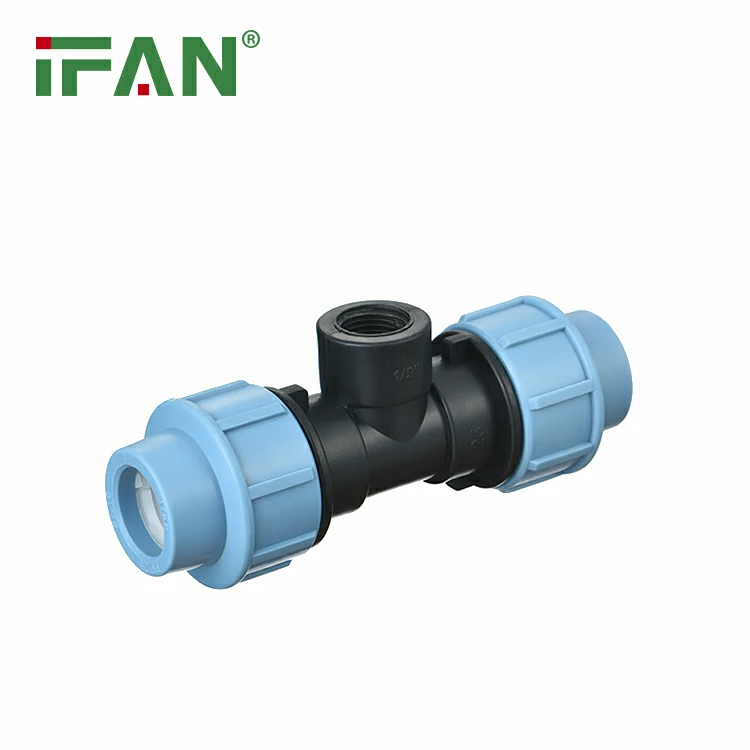
3. Mechanical Tees
Purpose: Temporary or reusable joints without welding.
Design:
Compression Tees: Rubber gaskets and stainless-steel clamps.
Flanged Tees: Bolt-on connections for easy disassembly.
Advantages: No heat required; suitable for above-ground installations.
Limitations: Lower pressure ratings (up to 16 bar/232 PSI) compared to fusion tees.
4. Fabricated Tees
Purpose: Custom solutions for non-standard projects.
Design:
Molded Tees: Single-piece construction for durability.
Segmented Tees: Welded from HDPE sheets for unique angles or sizes.
Applications: Tight spaces, complex layouts, or large-diameter pipelines.
Advantages of HDPE Pipe Fitting Tees
1. Leak-Proof Performance
Butt and electrofusion tees create homogeneous joints, eliminating gaskets or threads that can fail.
Mechanical tees use high-grade rubber seals rated for 16 bar (232 PSI).
2. Corrosion and Chemical Resistance
Unaffected by acids, salts, or UV exposure, making them ideal for:
Sewage treatment plants.
Chemical transport lines.
Marine environments.
3. Flexibility and Impact Resistance
Withstand ground movement, vibrations, and thermal expansion without cracking.
Suitable for earthquake-prone regions or soft soils.
4. Lightweight and Cost-Effective
80% lighter than steel tees, reducing shipping and labor costs.
Low maintenance requirements extend service life.
5. Eco-Friendly
100% recyclable and produced with 30% less energy than metal tees.
Reduces water loss due to leak-free joints.
How to Install HDPE Pipe Fitting Tees
Step-by-Step Guide for Butt Fusion Tees
Prepare Pipes:
Cut pipe ends squarely using a pipe saw.
Bevel edges at 30° to remove burrs.
Heat the Tee and Pipe:
Clamp the tee and pipe in a butt fusion machine.
Heat to 210°C for 1–2 minutes (depending on diameter).
Fuse Under Pressure:
Quickly join heated ends and apply 100–200 PSI for 2 minutes.
Cool undisturbed for 10 minutes.
Step-by-Step Guide for Electrofusion Tees
Clean Surfaces:
Remove dirt and moisture with alcohol wipes.
Insert Pipes:
Align pipes into the tee’s sockets.
Apply Current:
Connect the electrofusion machine and apply 40V AC for 3–10 minutes.
Cool:
Let the joint solidify for 30 minutes before pressurizing.
Common Mistakes to Avoid
Overheating: Burning the HDPE during fusion weakens the joint.
Undercooling: Moving tees too soon causes misalignment.
Dirty Surfaces: Dust or oil prevents proper fusion.
Applications of HDPE Pipe Fitting Tees
Water Supply: Splitting mains into residential or industrial branches.
Sewage Systems: Redirecting wastewater in gravity and pressure sewers.
Gas Distribution: Combining flows from multiple wells into a single pipeline.
Industrial Uses: Transporting chemicals, slurries, or compressed air.
Mining: Dewatering and tailings management in harsh environments.
IFAN factory started in 1993. And IFAN has workshop 120000 square meter with 610 staff. IFAN can design and produce all plumbing pipe and fitting include PPR,PVC,CPVC PPSU HDPE PEXA PEXB PERT pipe and fitting ,brass fitting, brass ball valve ,heating system , gas system , sanitary faucets and hose, In the past 30 Years, IFAN has never forgotten his mission-To protect health and safety. And IFAN factory use best materials to produce high quality pipe and fittings with automatic production line and high tech quality control machines. The most important,IFAN can guarantee that all pipes and fittings manufactured by IFAN are qualified. More information pls feel free contact us Whatsapp.




 PP Fitting 601