HDPE Pipe: The Ultimate Guide to High-Density Polyethylene Piping Systems
Description
Introduction
High-Density Polyethylene HDPE pipes are revolutionizing modern piping systems with their exceptional strength, flexibility, and resistance to corrosion. Used globally in water supply, drainage, gas distribution, and industrial applications, HDPE pipes outperform traditional materials like concrete, steel, and PVC. This guide explores their composition, benefits, installation techniques, and why they are a top choice for sustainable infrastructure.
What Is an HDPE Pipe?
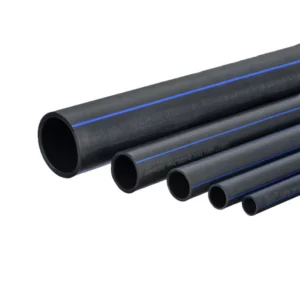
HDPE pipes are thermoplastic pipes made from high-density polyethylene resin, a petroleum-based polymer known for its high strength-to-density ratio.Key Characteristics:
Density: 0.941–0.965 g/cm³ (higher than standard polyethylene).
Pressure Rating: Up to 32 bar (464 PSI) depending on diameter and wall thickness.
Temperature Range: -40°C to 60°C (-40°F to 140°F) for continuous use.
Lifespan: 50–100 years with proper installation.
Material Grades:
PE80: For low-pressure applications (e.g., irrigation).
PE100: Higher strength for water mains and industrial use.
PE100-RC: Resistant to slow crack growth (ideal for seismic zones).
Types of HDPE Pipes
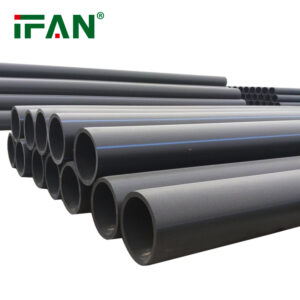
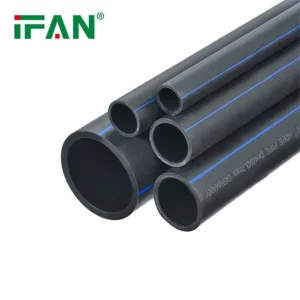
1. Solid-Wall HDPE Pipes
Purpose: Water supply, sewage, and industrial transport.
Features: Single-layer construction with uniform thickness.
Sizes: 16mm to 2400mm in diameter.
2. Corrugated HDPE Pipes
Purpose: Drainage, stormwater management, and culverts.
Features: Ribbed exterior for enhanced crush resistance.
Features: Small holes along the length for controlled water flow.
4. Double-Wall HDPE Pipes
Purpose: Sanitary sewers and gravity flow systems.
Features: Smooth inner wall for hydraulic efficiency and corrugated outer wall for strength.
Advantages of HDPE Pipes
1. Corrosion and Chemical Resistance
Unaffected by acids, salts, or alkaline soils, making them ideal for harsh environments.
Eliminates the need for cathodic protection (unlike steel pipes).
2. Flexibility and Impact Resistance
Can bend up to 4x the pipe diameter without cracking, reducing the need for fittings.
Withstands ground movement and seismic activity better than rigid pipes.
3. Lightweight and Easy to Install
75% lighter than concrete pipes, lowering transportation and handling costs.
Joined via heat fusion (butt welding, electrofusion), creating leak-free joints.
4. Long Service Life
Resistant to UV degradation (when carbon black is added).
Maintains performance for decades with minimal maintenance.
5. Eco-Friendly
100% recyclable and produced with lower energy consumption than metal pipes.
Reduces water loss due to leak-free joints, conserving resources.
How to Install HDPE Pipes
Step-by-Step Guide
Excavation and Bedding
Dig trenches 1.2x the pipe diameter deep.
Lay a 100mm sand bedding layer for support.
Cutting the Pipe
Use a fine-toothed saw or rotary cutter for clean cuts.
Avoid crushing the pipe walls.
Joining Methods
Butt Welding:
a. Bevel the pipe ends at 30°.
b. Heat the ends to 210°C using a butt fusion machine.
c. Press together and cool for 2 minutes.
Electrofusion Welding:
a. Insert electrofusion fittings with embedded heating coils.
b. Apply 40V AC for the specified time (e.g., 3 minutes for a 90mm coupling).
Mechanical Fittings:
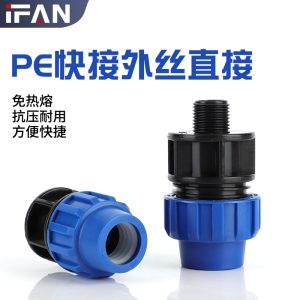
a. Use compression or flanged joints for quick repairs.
Pressure Testing
Fill the system with water and pressurize to 1.5x the operating pressure.
Hold for 2 hours; a pressure drop >5% indicates leaks.
Common Mistakes to Avoid
Improper Welding Temperature: Too hot causes burning; too cold creates weak joints.
Insufficient Cooling Time: Moving pipes too soon after welding leads to joint failure.
Ignoring Soil Conditions: Rocky or acidic soils may require protective coatings.
Applications of HDPE Pipes
Water Supply: Potable water distribution in urban and rural areas.
Sewage Systems: Gravity and pressure sewers for wastewater transport.
Gas Distribution: Safe transport of natural gas and propane.
Industrial Uses: Chemical transport, slurry lines, and compressed air systems.
Agriculture: Irrigation, aquaculture, and drainage in farming.
Mining: Dewatering and tailings transport in mining operations.
IFAN factory started in 1993. And IFAN has workshop 120000 square meter with 610 staff. IFAN can design and produce all plumbing pipe and fitting include PPR,PVC,CPVC PPSU HDPE PEXA PEXB PERT pipe and fitting ,brass fitting, brass ball valve ,heating system , gas system , sanitary faucets and hose, In the past 30 Years, IFAN has never forgotten his mission-To protect health and safety. And IFAN factory use best materials to produce high quality pipe and fittings with automatic production line and high tech quality control machines. The most important,IFAN can guarantee that all pipes and fittings manufactured by IFAN are qualified. More information pls feel free contact us Whatsapp.