
How to Select the Right HDPE Fittings for High-Pressure Systems
Introduction
High-pressure systems demand durable and reliable fittings to ensure efficiency and safety. HDPE (High-Density Polyethylene) fittings are an excellent choice for these systems due to their strength, flexibility, and resistance to corrosion. However, selecting the right fitting is crucial for avoiding failures and ensuring the long-term performance of the system. This article provides a comprehensive guide to help you choose the best HDPE fitting for high-pressure applications.
What Are HDPE Fittings?
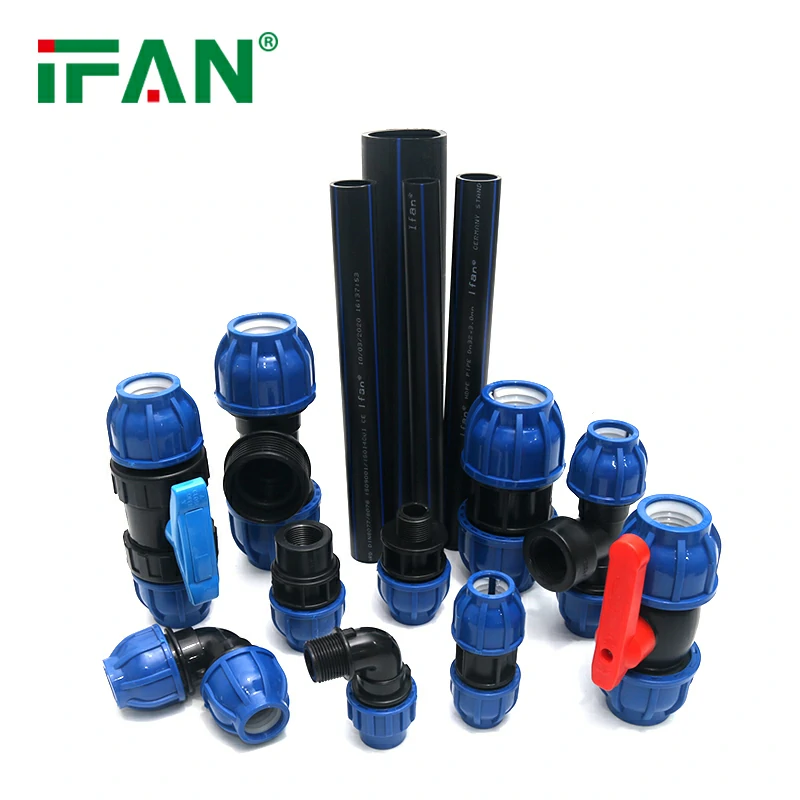
HDPE fittings are components made from high-density polyethylene, a strong, flexible plastic material. These fittings are designed to connect HDPE pipes and are commonly used in water supply, gas distribution, and industrial systems. HDPE is known for its ability to handle high-pressure environments without compromising safety or performance, making it an ideal choice for demanding applications.
Key Factors to Consider When Selecting HDPE Fittings for High-Pressure Systems
1. Pressure Rating
The pressure rating of a fitting indicates the maximum pressure the fitting can safely handle. This is one of the most critical factors when selecting HDPE fittings for high-pressure systems.
To ensure reliability, the fitting’s pressure rating must meet or exceed the pressure requirements of your system. Using fittings with inadequate pressure ratings can lead to leaks, burst pipes, or complete system failure.
2. Material Strength
The material strength of the fitting plays a significant role in its performance under high-pressure conditions. HDPE is known for its high tensile strength and impact resistance, which makes it suitable for high-pressure systems. Fittings made from higher-quality HDPE will be able to withstand the stresses of the system better than lower-grade alternatives.
Always select HDPE fittings that are made from high-density polyethylene with excellent strength and durability characteristics. This will ensure the fitting performs well under pressure and prevents unexpected failures.
3. Temperature Resistance
Temperature fluctuations can affect the performance of HDPE fittings. While HDPE is resistant to many environmental factors, including moisture, it has a limited temperature range. Most standard HDPE fittings operate effectively in a range of -40°C to 60°C (-40°F to 140°F), but some special grades can handle higher temperatures.
If your high-pressure system will be exposed to elevated temperatures, make sure to select HDPE fittings designed to perform in those conditions. Using fittings that cannot handle high temperatures may result in material degradation or deformation over time.
4. Compatibility with Other Materials
Compatibility is crucial when choosing HDPE fittings, especially when connecting pipes and fittings made from different materials. It’s essential to ensure that the HDPE fittings will connect seamlessly with other components, such as PVC, metal pipes, or valves.
Look for fittings that are specifically designed for the type of pipe and material used in your system. Ensure the fitting’s connection methods, whether butt fusion, electrofusion, or compression, match the other parts of your system for a secure and leak-free connection.
5. Corrosion and Chemical Resistance
One of the key advantages of HDPE fittings is their corrosion resistance. Unlike metal fittings, which are prone to rust and corrosion, HDPE fittings do not degrade in most chemical environments, making them ideal for high-pressure systems exposed to aggressive chemicals or moisture.
When selecting HDPE fittings for high-pressure systems, ensure they are resistant to the specific chemicals that will flow through your pipes. This will prevent degradation, leaks, and system failure over time.
6. Installation Method
HDPE fittings come in different types depending on the installation method, including butt fusion, electrofusion, and compression fittings. The method you choose will depend on your system’s requirements and available tools.
Butt fusion fittings offer the strongest bond for larger pipes and are ideal for high-pressure systems.
Electrofusion fittings use electrical currents to fuse the pipe and fitting together, creating a reliable, leak-proof connection.
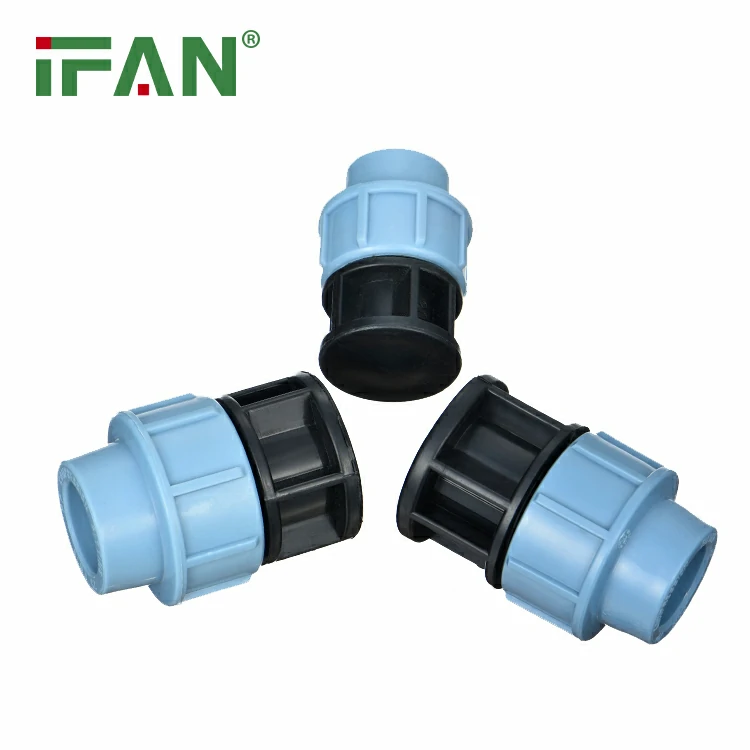
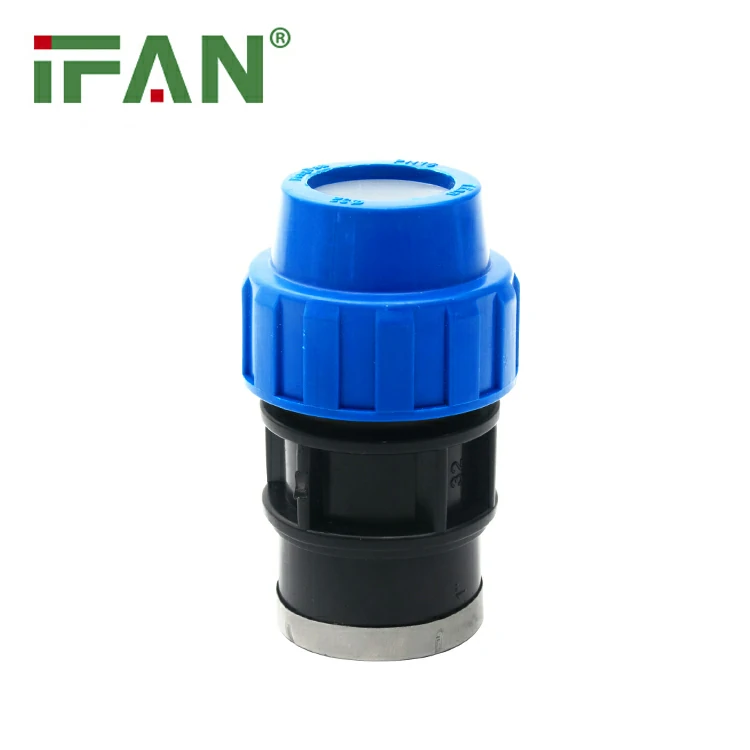
Compression fittings are easy to install and are ideal for smaller systems or temporary installations.
Choose the installation method that best suits your system’s design and pressure requirements.
7. Size and Type of Fittings
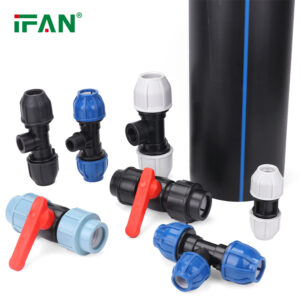
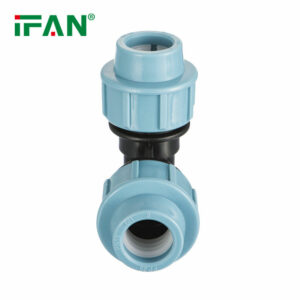
The size and type of the fitting must match the dimensions and configuration of your system. Common types of HDPE fittings include elbows, tees, couplings, reducers, and flanges. Select the fitting that fits the pipe size and serves the intended purpose in your high-pressure system.
Ensure that the type and size of the fitting are compatible with your system’s flow rate, pressure, and installation layout.
8. Quality Standards and Certifications
Lastly, always check if the HDPE fittings meet industry standards and certifications, such as ISO or ASTM. Certified fittings are more reliable and undergo strict quality control processes, which ensures they can handle high-pressure systems effectively.
Choosing fittings from reputable manufacturers that provide detailed product specifications and certifications is essential for ensuring that the fittings will perform reliably in high-pressure conditions.
Conclusion
Selecting the right HDPE fitting for your high-pressure system requires careful consideration of factors like pressure rating, material strength, temperature resistance, compatibility, and installation methods. By ensuring the fittings meet the specific requirements of your system, you can avoid costly failures and ensure long-term performance.
IFAN factory started in 1993. And IFAN has workshop 120000 square meter with 610 staff. IFAN can design and produce all plumbing pipe and fitting include PPR,PVC,CPVC PPSU HDPE PEXA PEXB PERT pipe and fitting ,brass fitting, brass ball valve ,heating system , gas system , sanitary faucets and hose, In the past 30 Years, IFAN has never forgotten his mission-To protect health and safety. And IFAN factory use best materials to produce high quality pipe and fittings with automatic production line and high tech quality control machines. The most important,IFAN can guarantee that all pipes and fittings manufactured by IFAN are qualified. More information pls feel free contact us Whatsapp.
Related products
 PP Fitting 603
IFAN Customization HDPE Fittings
- HDPE pipe
IFAN Black HDPE Pipe
- PP Fitting 603
IFAN PE Fitting
- PP Fitting 601
IFAN HDPE Fitting