

What Are HDPE Pipe Fittings? A Comprehensive Guide for Plumbers
Introduction
HDPE pipe fittings have revolutionized the plumbing and piping industry by offering a durable, cost-effective, and eco-friendly solution for various applications. From water supply and gas distribution to sewage systems and industrial projects, HDPE fittings provide unmatched performance and reliability. This guide explores the key features, types, and benefits of HDPE pipe fittings, giving plumbers the insights needed to choose and install the right components for their projects.
What Are HDPE Pipe Fittings?
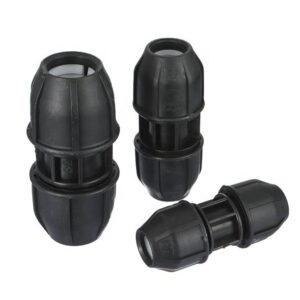
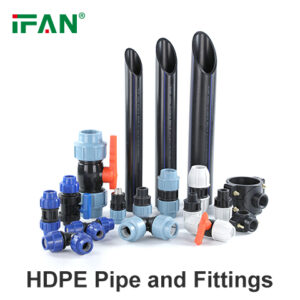
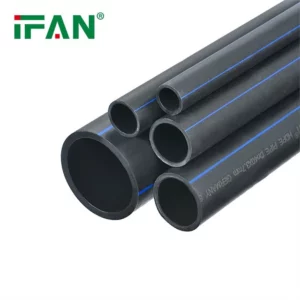
HDPE pipe fittings are connectors made from High-Density Polyethylene (HDPE), a thermoplastic material known for its strength, flexibility, and resistance to corrosion. These fittings are used to join sections of HDPE pipes or connect them to other pipe materials, creating a seamless and leak-proof pipeline.
Plumbers prefer HDPE pipe fittings due to their ability to withstand high pressure, extreme temperatures, and aggressive chemicals. This makes them ideal for potable water systems, irrigation, gas pipelines, and waste management.
Key Benefits of HDPE Pipe Fittings
1. Durability and Longevity
HDPE pipe fittings are incredibly durable, capable of lasting over 50 years with minimal maintenance. The material resists cracking, corrosion, and abrasion, ensuring a long service life even in harsh environments.
2. Flexibility and Lightweight
Unlike traditional metal fittings, HDPE pipe fittings are lightweight and flexible. This makes them easier to transport and install, reducing labor costs and time. The flexibility also allows the pipes to withstand ground movements and seismic activities without breaking.
3. Corrosion and Chemical Resistance
HDPE’s non-corrosive nature makes it an excellent choice for transporting water, chemicals, and sewage. Unlike metal fittings, HDPE pipe fittings do not rust or degrade when exposed to moisture or chemicals, ensuring consistent performance.
4. Leak-Free Joints
HDPE fittings are typically joined using heat fusion, creating a seamless bond that eliminates leaks. This ensures greater efficiency in water and gas distribution, reducing water loss and increasing the reliability of the system.
5. Eco-Friendly and Recyclable
HDPE pipe fittings are made from recyclable materials, contributing to environmentally sustainable practices. Their long service life and resistance to leaks further reduce resource wastage and maintenance costs.
Common Types of HDPE Pipe Fittings
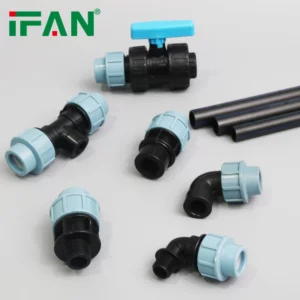
- Couplers – Connect two sections of HDPE pipe, ensuring a secure and leak-free connection.
- Elbows – Allow for directional changes in the piping system, typically available in 45° and 90° angles.
- Reducers – Connect pipes of different diameters, ensuring smooth flow transition between sections.
- Tees and Crosses – Enable branching from the main pipe, useful for irrigation and distribution systems.
- End Caps – Seal the ends of HDPE pipes, preventing leaks and maintaining system integrity.
- Flanges – Provide easy connection between HDPE pipes and metal or PVC components, allowing system integration.
How to Install HDPE Pipe Fittings
- Pipe Preparation
Ensure the HDPE pipes are clean and free of debris. Cut the pipe to the required length using a specialized cutter. - Align the Fittings
Position the HDPE pipe fittings at the connection points, ensuring proper alignment to avoid stress and misalignment. - Heat Fusion
Most HDPE pipe fittings are installed using heat fusion techniques, such as butt fusion or electrofusion. This process melts the ends of the pipes and fittings, creating a seamless bond upon cooling. - Testing for Leaks
After installation, conduct pressure testing to ensure there are no leaks in the system. Adjust any misaligned fittings if necessary.
Applications of HDPE Pipe Fittings
- Water Supply – Ideal for potable water distribution due to their non-toxic and corrosion-resistant properties.
- Gas Pipelines – Provide a safe, leak-proof option for transporting gas over long distances.
- Irrigation Systems – Flexible and durable for agricultural water distribution.
- Sewage and Drainage – Resist corrosion and chemical degradation, making them suitable for waste management.
- Industrial Applications – Handle chemicals, compressed air, and other industrial fluids.
Best Practices for Working with HDPE Pipe Fittings
- Use Proper Tools – Always use specialized HDPE cutting and fusion tools for precision and safety.
- Follow Manufacturer Guidelines – Adhere to the manufacturer’s instructions for heat fusion and fitting installation.
- Regular Inspections – Conduct periodic inspections to check for wear, leaks, or misalignment.
- Ensure Clean Surfaces – Dirt or debris can compromise the fusion process, so clean all surfaces thoroughly before installation.
Conclusion
HDPE pipe fittings offer an unparalleled combination of strength, flexibility, and corrosion resistance, making them the preferred choice for modern plumbing systems. Their versatility and eco-friendly properties make them suitable for a wide range of applications, from residential plumbing to large-scale industrial projects. By understanding their benefits and installation methods, plumbers can enhance the efficiency and durability of their systems.
Frequently Asked Questions (FAQs)
1. What is the lifespan of HDPE pipe fittings?
HDPE pipe fittings can last up to 50 years or more, depending on environmental conditions and maintenance.
2. How do HDPE pipe fittings compare to PVC and metal fittings?
HDPE fittings are more flexible, corrosion-resistant, and lightweight compared to metal and PVC fittings. They also provide better performance in high-pressure and underground applications.
3. Are HDPE pipe fittings suitable for drinking water?
Yes, HDPE pipe fittings are non-toxic and approved for potable water systems, ensuring safe and clean water distribution.
4. What is the best method to join HDPE pipe fittings?
Heat fusion, including butt fusion and electrofusion, is the most effective and leak-proof method for joining HDPE pipe fittings.
5. Can HDPE pipe fittings withstand high temperatures?
HDPE can handle temperatures up to 120°C, but it is primarily used in applications where temperatures do not exceed 80°C for extended periods.
Connect
IFAN factory started in 1993. And IFAN has workshop 120000 square meter with 610 staff. IFAN can design and produce all plumbing pipe and fitting include PPR,PVC,CPVC PPSU HDPE PEXA PEXB PERT pipe and fitting ,brass fitting, brass ball valve ,heating system , gas system , sanitary faucets and hose, In the past 30 Years, IFAN has never forgotten his mission-To protect health and safety. And IFAN factory use best materials to produce high quality pipe and fittings with automatic production line and high tech quality control machines. The most important,IFAN can guarantee that all pipes and fittings manufactured by IFAN are qualified. More information pls feel free contact us Whatsapp.
Related products
 PP Fitting 603
IFAN PE Fitting
- PP Fitting 601
IFAN HDPE Fittings
- HDPE pipe
HDPE
 PP Fitting 602
IFAN HDPE Pipe Fitting Male Socket