

The Complete Guide to HDPE Reduce Sockets: Efficient Pipe Size Transition Solutions
In modern piping systems, the need to connect pipes of different diameters is both common and necessary. HDPE reduce sockets provide the ideal solution for transitioning between pipe sizes while maintaining the superior properties of High-Density Polyethylene systems. These essential fittings enable smooth flow transitions, minimize turbulence, and ensure reliable connections in countless industrial, municipal, and residential applications.
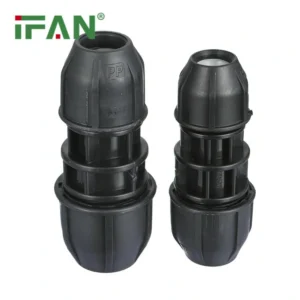
The ability to efficiently manage pipe size changes is crucial for system optimization, flow control, and space management. Whether you’re working on water distribution, gas pipelines, or industrial processing systems, understanding HDPE reduce sockets is fundamental to creating efficient and reliable piping networks.
This comprehensive guide covers everything you need to know about HDPE reduce sockets, from their design advantages and installation techniques to selection criteria and practical applications.
What Are HDPE Reduce Sockets?
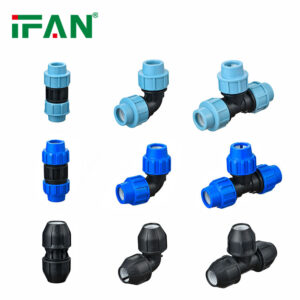
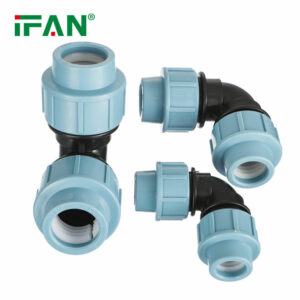
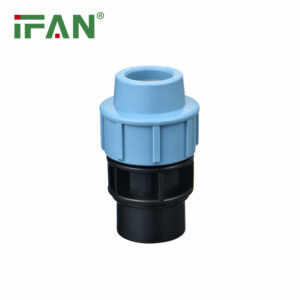
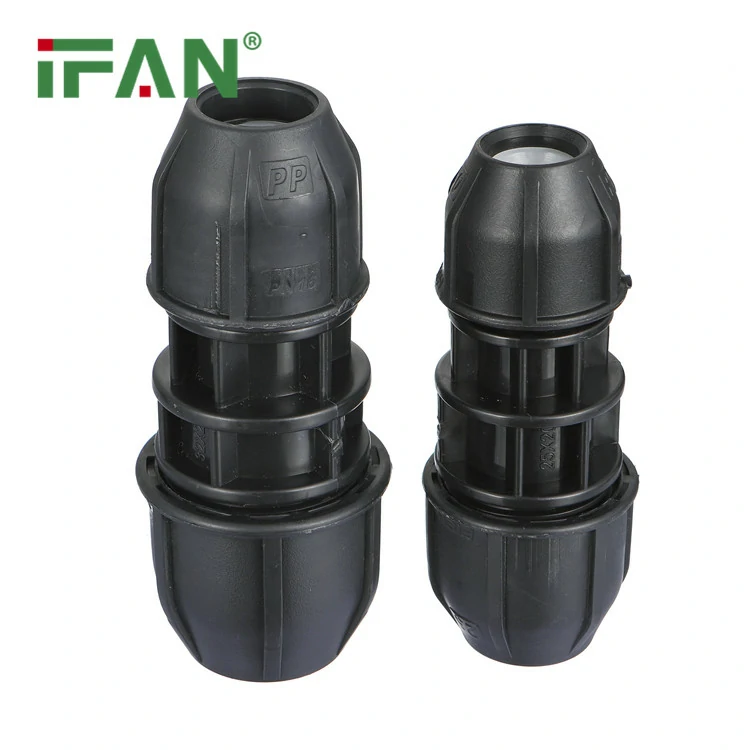
HDPE reduce sockets are transition fittings designed to connect two HDPE pipes of different diameters. Featuring a larger socket on one end and a smaller socket on the opposite end, these fittings allow for seamless size transitions while maintaining the chemical resistance, flexibility, and durability that make HDPE piping systems so valuable.
Manufactured from high-quality High-Density Polyethylene, these sockets maintain all the beneficial properties of HDPE while providing essential transition functionality. The reduce socket design ensures smooth internal transitions that minimize pressure drop and turbulence, making them ideal for applications where flow efficiency is critical.
Key Benefits of HDPE Reduce Sockets
The specialized design offers numerous advantages:
Smooth Transitions: Gradual internal diameter changes minimize turbulence and pressure loss
Corrosion Resistance: Immune to chemical attack, electrolytic corrosion, and biological growth
Flexibility: Maintains system flexibility and stress distribution capabilities
Leak-Free Connections: Fusion welding creates monolithic, permanent joints
Long Service Life: 50+ year lifespan in most applications
Abrasion Resistance: Excellent resistance to wear and erosion
Lightweight: Easy to handle and install compared to metal alternatives
Installation Process: How to Install HDPE Reduce Sockets
Proper installation ensures optimal performance:
Butt Fusion Method:
Pipe Preparation: Square cut both pipe ends using dedicated HDPE cutters
Facing: Machine face both pipe ends and fitting sockets for perfect alignment
Alignment: Secure pipes and fitting in fusion machine with proper alignment
Heating: Heat facing surfaces to specified temperature (200-230°C/392-446°F)
Fusion: Join heated surfaces with appropriate fusion pressure
Cooling: Allow sufficient cooling time under pressure before handling
Socket Fusion Method:
Pipe Preparation: Cut pipes square and bevel edges slightly
Heating: Simultaneously heat pipe ends and socket interiors
Insertion: Quickly insert heated pipes into sockets to full depth
Cooling: Allow natural cooling without disturbance
Types of HDPE Reduce Sockets
Available in various configurations:
Concentric Reduce Sockets: Centerline alignment for both pipes
Eccentric Reduce Sockets: Offset centerlines for specific applications
Full-Size Reduce Sockets: Standard size transitions
Custom Transitions: Special size combinations
Fusion Reduce Sockets: For butt fusion applications
Socket Reduce Sockets: For socket fusion applications
How to Choose the Right HDPE Reduce Socket
Selection considerations:
Size Requirements: Exact match to both pipe diameters
Application Type: Concentric vs. eccentric based on system requirements
Pressure Rating: Verify pressure capacity matches system needs
Material Grade: PE80, PE100, or specific material requirements
Standards Compliance: ISO 4427, ASTM F714, or other relevant standards
Manufacturing Quality: Certified materials and manufacturing processes
Technical Specifications
Pressure Ratings: PN6, PN10, PN16, and higher ratings available
Temperature Range: -40°C to 60°C (-40°F to 140°F) for most applications
Size Range: 20mm to 1200mm (¾” to 48″) and larger
Material Grades: PE80, PE100, PE100-RC
Standards: ISO 4427, ASTM F714, EN 12201
HDPE Reduce Sockets: FAQs
Q: What’s the difference between concentric and eccentric reducers?
A: Concentric maintains centerline alignment, while eccentric keeps bottom or top alignment level.
Q: Can reduce sockets be used for gas applications?
A: Yes, when certified for gas service and properly installed.
Q: What fusion method is best for reduce sockets?
A: Butt fusion is preferred for larger sizes, while socket fusion works well for smaller diameters.
Q: Are reduce sockets available in different material grades?
A: Yes, PE80, PE100, and PE100-RC are commonly available.
Q: Can I use reduce sockets for directional changes?
A: No, reduce sockets are for size transitions only. Use elbows for directional changes.
Applications for HDPE Reduce Sockets
Essential for numerous scenarios:
Water Distribution Systems: Main line to service line transitions
Gas Distribution: Pipeline size reductions
Industrial Processing: Flow control and size transitions
Mining Applications: Slurry line size changes
Marine Applications: Dock piping systems
Irrigation Systems: Main line to lateral reductions
Maintenance and Best Practices
Ensure long-term performance:
Proper Storage: Protect from UV exposure and physical damage
Quality Assurance: Use certified materials and proper fusion equipment
Training: Ensure operators are properly trained and certified
Documentation: Maintain fusion records and quality control documentation
Inspection: Regular system inspections for long-term reliability
Optimize Your System with Proper Transitions
HDPE reduce sockets provide essential functionality for efficient piping system design and operation. Their ability to smoothly transition between pipe sizes while maintaining system integrity makes them invaluable components in countless applications. The excellent chemical resistance, flexibility, and longevity of HDPE ensure these transitions will provide reliable service for decades.
IFAN factory started in 1993. And IFAN has workshop 120000 square meter with 610 staff. IFAN can design and produce all plumbing pipe and fitting include PPR,PVC,CPVC PPSU HDPE PEXA PEXB PERT pipe and fitting ,brass fitting, brass ball valve ,heating system , gas system , sanitary faucets and hose, In the past 30 Years, IFAN has never forgotten his mission-To protect health and safety. And IFAN factory use best materials to produce high quality pipe and fittings with automatic production line and high tech quality control machines. The most important,IFAN can guarantee that all pipes and fittings manufactured by IFAN are qualified. More information pls feel free contact us Whatsapp.
Related products
 PP Fitting 601
IFAN HDPE Pipe Fittings
- PP Fitting 601
PP Fittings
- PP Fitting 601
IFAN HDPE Pipe Fitting
- PP Fitting 601
IFAN PP Fitting PP601