HDPE Compression Fittings: Complete Technical Guide
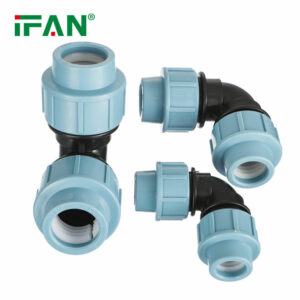
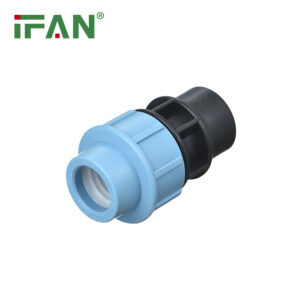
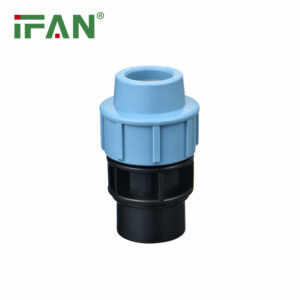
HDPE compression fittings are mechanical connection components designed for high-density polyethylene piping systems. These fittings provide a reliable, demountable connection solution without requiring heat or special fusion equipment. The compression mechanism typically consists of a compression nut, compression ring, and fitting body that work together to create a leak-proof seal around the HDPE pipe. This design makes them ideal for temporary installations, repair work, and applications where fusion welding is impractical or unnecessary.
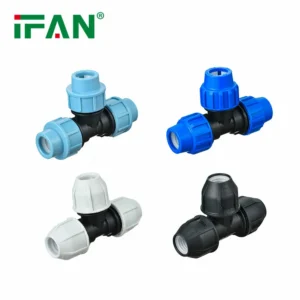
The compression fitting design offers significant advantages for specific installation scenarios. These fittings allow for quick installation and disassembly, facilitating system modifications and maintenance operations. They maintain good chemical resistance while providing a robust mechanical connection that withstands typical operating pressures. The installation process requires no open flames or electrical power, enhancing job site safety. Their reusable nature makes them cost-effective for applications requiring frequent disconnection and reconnection. Compression fittings accommodate minor pipe misalignment and thermal expansion through their flexible sealing mechanism.
Product Specifications
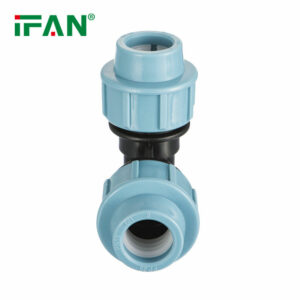
HDPE compression fittings meet international standards including ISO 9623 and ASTM D3261. Standard sizes range from 16mm to 110mm to accommodate various HDPE pipe dimensions. Pressure ratings typically include PN10 and PN16 classifications, supporting working pressures up to 16 bar at 20°C. Temperature resistance spans from -20°C to 60°C, suitable for most water and industrial applications. Materials include high-quality polyethylene for the fitting body with EPDM or NBR seals and stainless steel or brass compression components. Available configurations include straight couplings, elbows, tees, and reducers.
Installation Guidelines
Proper installation begins with pipe preparation and component inspection. Cut the HDPE pipe square using a dedicated pipe cutter to ensure a clean, burr-free end. Mark the insertion depth on the pipe according to manufacturer specifications. Slide the compression nut followed by the compression ring onto the pipe end. Insert the pipe fully into the fitting body until it reaches the internal stop. Hand-tighten the compression nut initially, then use an appropriate wrench to achieve the final tightness. Follow manufacturer’s recommended torque specifications and avoid over-tightening, which can damage the pipe or distort sealing components.
Applications and Industry Uses
These fittings serve important functions across multiple sectors. Temporary water supply systems utilize them for quick connections and disconnections. Irrigation systems employ compression fittings for seasonal installations and zone control valves. Plumbing repair work benefits from their use in emergency fixes and system modifications. Industrial applications incorporate them for instrument connections and sampling points. Mining operations use compression fittings for temporary water lines and equipment connections. Landscaping and agricultural applications find them ideal for portable water systems and temporary distribution networks.
Maintenance and Operational Considerations
Regular inspection should focus on the compression mechanism and seal condition. Monitor for signs of leakage at connection points and retighten if necessary. Check for proper alignment and support to prevent stress on the fitting. For systems with temperature fluctuations, periodic inspection of connection tightness is recommended. Maintain appropriate replacement seals and compression rings for maintenance operations. Always use manufacturer-approved replacement parts to ensure compatibility and performance. Document installation dates and maintenance history for critical connections.
Conclusion
HDPE compression fittings provide versatile and practical connection solutions for HDPE piping systems where fusion welding is not required or practical. Their mechanical connection technology offers installation flexibility and reusability for various applications. Proper selection based on size, pressure rating, and environmental conditions ensures reliable system performance. Adherence to correct installation procedures and maintenance practices guarantees long-term functionality. While not replacing fusion methods for permanent installations, compression fittings serve as valuable components for temporary systems, repair scenarios, and applications requiring demountable connections in HDPE piping networks.
Related products
 PP Fitting 601
PP Fittings
- PP Fitting 601
IFAN HDPE Fitting
- PP Fitting 601
IFAN HDPE Pipe Fitting
- PP Fitting 601
PP female socket