Pressure and Flow Optimization with HDPE Tee Fittings in Water Supply Systems
Introduction
In water supply systems, HDPE tee fittings are essential components that help direct and manage the flow of water efficiently. These fittings ensure that water is distributed to different areas of the network. Optimizing pressure and flow through these fittings is crucial for maintaining system efficiency, reducing energy costs, and preventing issues like leaks or pressure drops. In this article, we explore how these fittings contribute to pressure and flow optimization in water supply systems and provide best practices for achieving peak performance.
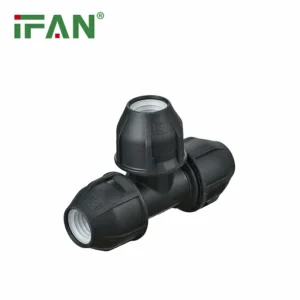
Understanding HDPE Tee Fittings
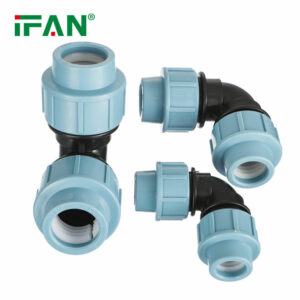
HDPE tee fittings are designed to connect three sections of pipe in a T-shape. Made from High-Density Polyethylene (HDPE), these fittings are durable, corrosion-resistant, and flexible. They can handle both static and dynamic pressure, making them ideal for systems where flow and pressure need careful control.
How These Fittings Optimize Pressure and Flow
1. Smooth Flow and Low Friction
These fittings have a smooth interior, which minimizes friction and allows for low resistance to flow. This results in reduced pressure drops, ensuring that water flows through the system efficiently.
Benefit: Lower friction maintains consistent flow rates, reducing the likelihood of energy loss and pressure loss.
2. High Pressure Resistance
HDPE tee fittings are built to withstand high-pressure environments. Their strength and flexibility allow them to endure pressure without cracking or failing.
Benefit: These fittings help maintain steady water flow, even in high-pressure systems, ensuring that the pipeline operates efficiently.
3. Efficient Flow Direction Control
By using HDPE tees, water can be directed to multiple sections of the system. With various angle options (90-degree, 45-degree, etc.), they help optimize flow without causing turbulence.
Benefit: By controlling water flow direction effectively, these fittings ensure balanced flow and reduce the risk of pressure imbalance.
4. Preventing Flow Instability
The gradual movement of water through these fittings prevents sudden changes in flow, which could cause pressure surges or water hammer.
Benefit: This helps protect other components in the system, ensuring long-term stability and preventing costly repairs.
Best Practices for Pressure and Flow Optimization
Follow these best practices when installing or maintaining HDPE tee fittings in your system:
1. Proper Sizing
Choosing the correct size for the fittings is critical to avoiding pressure loss and ensuring smooth flow.
Tip: Match the nominal diameter (DN) of the fittings with the size of the pipes to prevent bottlenecks and flow disruptions.
2. Proper Pipe Alignment
Correct alignment of pipes connected to the fittings ensures that water flows smoothly without obstruction.
Tip: Ensure that pipes are aligned correctly and are firmly secured before final installation.
3. Minimize Sharp Bends
Sharp bends can increase friction and disrupt flow. Use longer-radius fittings to maintain steady water movement.
Tip: Opt for long-radius elbows to minimize friction and reduce the potential for pressure drops.
4. Pressure Regulators
Using pressure regulators ensures that the pressure within the system remains within optimal limits.
Tip: Install pressure relief valves at critical points to avoid over-pressurization and potential damage to the system.
5. Regular Maintenance and Inspection
Routine maintenance helps keep the system in good working condition and ensures the fittings remain free from damage or blockages.
Tip: Conduct regular checks for signs of wear, leaks, or corrosion, especially in high-pressure areas.
6. Expansion Joints
Since HDPE pipes expand and contract with temperature changes, expansion joints should be used to avoid stress on the fittings.
Tip: Install expansion joints to accommodate pipe movement and maintain consistent pressure and flow.
Conclusion
HDPE tee fittings are integral to maintaining pressure and flow optimization in water supply systems. Their smooth interior, high-pressure resistance, and ability to direct water efficiently make them ideal for water distribution. By following best practices like correct sizing, pipe alignment, and routine maintenance, you can ensure these fittings help maintain a long-lasting, efficient system. Implementing these strategies will optimize flow and pressure, reduce energy costs, and extend the lifespan of the entire network.
IFAN factory started in 1993. And IFAN has workshop 120000 square meter with 610 staff. IFAN can design and produce all plumbing pipe and fitting include PPR,PVC,CPVC PPSU HDPE PEXA PEXB PERT pipe and fitting ,brass fitting, brass ball valve ,heating system , gas system , sanitary faucets and hose, In the past 30 Years, IFAN has never forgotten his mission-To protect health and safety. And IFAN factory use best materials to produce high quality pipe and fittings with automatic production line and high tech quality control machines. The most important,IFAN can guarantee that all pipes and fittings manufactured by IFAN are qualified. More information pls feel free contact us Whatsapp.
Related products
 PP Fitting 601
HDPE Pipe Fitting For Irrigation
- HDPE pipe
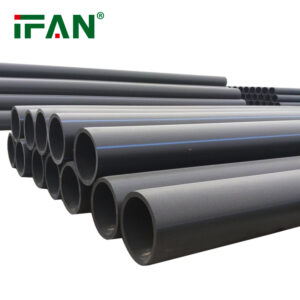
IFAN Black HDPE Pipe
- PP Fitting 602
IFAN HDPE Pipe Fittings
- PP Fitting 601
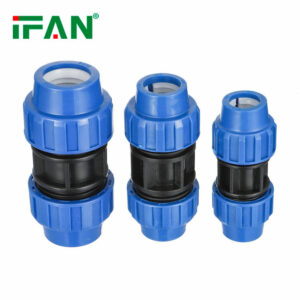
IFAN HDPE Pipe Fitting