

PPR End Cap: The Essential Guide for Pipe System Termination
When you need to permanently seal the end of a PPR pipeline, the PPR end cap provides the perfect solution. This simple yet vital component ensures complete system closure with reliable, leak-free performance. Understanding proper selection and installation techniques will help you achieve professional results in any plumbing project.
Understanding PPR End Caps
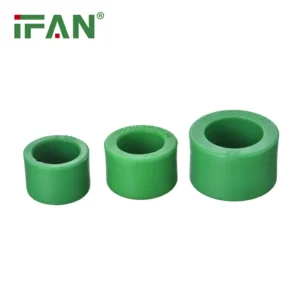
A PPR end cap is a protective fitting that permanently seals the terminal end of a PPR pipe. Manufacturers craft these caps from high-quality polypropylene random copolymer material, creating durable components that withstand corrosion, high temperatures, and pressure fluctuations. The cap features a closed dome on one end and a socket on the other that fusion-welds to the pipe end, providing a permanent seal that matches the pipe’s lifespan.
Primary Applications and Usage Scenarios
Plumbers regularly use end caps in various applications:
Sealing the ends of pipelines during initial installation
Closing off unused pipe sections for future system expansion
Terminating branch lines that may see future use
Providing protective closures during construction phases
Sealing test points after pressure testing completion
Creating safe endpoints in temporary plumbing installations
Technical Specifications and Size Ranges
Standard Size Availability
PPR end caps accommodate all standard pipe diameters:
20mm (¾ inch)
25mm (1 inch)
32mm (1¼ inches)
40mm (1½ inches)
50mm (2 inches)
63mm (2½ inches)
75mm (3 inches)
90mm (3½ inches)
110mm (4 inches)
Performance Ratings
Temperature resistance: -20°C to 95°C (-4°F to 203°F)
Pressure rating: PN20 (20 bar at 20°C)
Suitable for hot and cold water applications
Installation Guide: Step-by-Step Process
Tools and Materials Needed
PPR pipe cutter
Fusion welding machine
Measuring tape
Marker
Clean cloth
Deburring tool
Installation Steps
Pipe Preparation: Cut the pipe end perfectly square using a dedicated pipe cutter
Deburring: Remove any internal or external burrs from the cut pipe end
Cleaning: Wipe both the pipe end and cap socket with a clean cloth
Depth Marking: Mark the insertion depth on the pipe end using the cap as reference
Heating Process: Heat the pipe end and cap socket simultaneously on the welding machine
Connection: Quickly join the heated components, inserting the pipe to the marked depth
Holding: Hold the connection firmly without twisting for the specified time
Cooling: Allow the joint to cool naturally before handling or testing
Advantages of Using PPR End Caps
Complete Seal: Provides absolute protection against water leakage
Corrosion Resistance: Immune to rust and chemical degradation
Longevity: Matches the 50+ year lifespan of PPR piping systems
Temperature Tolerance: Handles both freezing and high-temperature conditions
Hygienic Properties: Maintains water purity without contamination risk
Low Maintenance: Requires no ongoing attention once properly installed
Quality Standards and Certifications
Reputable manufacturers ensure their end caps meet rigorous international standards:
ISO 9001 quality management certification
NSF/ANSI 61 compliance for drinking water safety
EN ISO 15874 compliance for polypropylene piping systems
WRAS approval for water supply regulations
DVGW certification for gas and water standards
Frequently Asked Questions
Q: Can I remove a fusion-welded end cap later?
A: No, the fusion process creates a permanent connection. You would need to cut off the cap and install a new one if future access becomes necessary.
Q: Are end caps suitable for both hot and cold water lines?
A: Yes, PPR end caps perform equally well in both hot and cold water applications.
Q: How do I choose the right size end cap?
A: Always select an end cap that exactly matches the outer diameter of your PPR pipe.
Q: Can I use end caps for pressure testing?
A: Absolutely. End caps provide perfect seals for pressure testing procedures.
Maintenance and Inspection
While end caps require minimal maintenance, periodic checks ensure ongoing system integrity:
Visually inspect for any signs of physical damage
Check for stress marks indicating possible system movement
Ensure no external damage from environmental factors
Verify during routine system pressure tests
Selection Guide: Choosing the Right End Cap
Consider these factors when selecting end caps:
Pipe Diameter: Match cap size exactly to pipe outer diameter
Pressure Rating: Ensure PN rating meets or exceeds system requirements
Certification: Look for relevant certifications for your application
Brand Reputation: Choose established manufacturers for quality assurance
Application Environment: Consider chemical exposure or UV resistance needs
Conclusion
PPR end caps provide the most reliable method for permanently sealing PPR pipeline terminations. Their simple design belies their importance in maintaining system integrity and preventing leaks. By selecting quality components and following proper fusion welding procedures, you ensure a permanent seal that will last the lifetime of the piping system.
Always purchase from reputable suppliers who provide proper product certifications and technical support. This investment in quality ensures your plumbing system maintains its integrity and performance for decades, providing peace of mind and eliminating future maintenance concerns.
IFAN factory started in 1993. And IFAN has workshop 120000 square meter with 610 staff. IFAN can design and produce all plumbing pipe and fitting include PPR,PVC,CPVC PPSU HDPE PEXA PEXB PERT pipe and fitting ,brass fitting, brass ball valve ,heating system , gas system , sanitary faucets and hose, In the past 30 Years, IFAN has never forgotten his mission-To protect health and safety. And IFAN factory use best materials to produce high quality pipe and fittings with automatic production line and high tech quality control machines. The most important,IFAN can guarantee that all pipes and fittings manufactured by IFAN are qualified. More information pls feel free contact us Whatsapp.
Related products

 PPR
PPRPRR Elbow