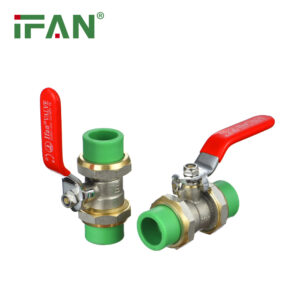
IFAN ASTM F2389 PPR Concealed Valve
Description
IFAN ASTM F2389 PPR Concealed Valve
PPR concealed valve is a integral component in modern plumbing systems, providing a discreet and efficient solution for controlling water flow within walls or other concealed spaces. This guide will explain the features, benefits, installation processes, and key applications of PPR concealed valves.
Key Features:
- Discreet Design
PPR concealed valves are designed to be installed inside walls or under floors, keeping them hidden from view. This provides a cleaner aesthetic for bathrooms and kitchens where visible pipes and valves are not desirable. - Durable Construction
Made from polypropylene random copolymer (PPR), these valves offer excellent resistance to heat, pressure, and chemicals. This ensures longevity and reliable performance in a wide variety of environments. - Smooth Operation
The concealed valve typically includes an external handle or knob, making it easy to control the flow of water without needing to access the valve body itself. - Corrosion Resistance
PPR concealed valves are immune to corrosion, unlike metal valves, which makes them a great option for long-term use in plumbing systems, especially in areas prone to moisture. - Leak-Proof Performance
PPR concealed valves are engineered with precision to create a secure, leak-proof seal, reducing maintenance needs and ensuring efficient operation.
Advantages of PPR Concealed Valves:
- Aesthetic Appeal:
One of the main benefits of concealed valves is their ability to stay hidden, providing a more streamlined and visually pleasing look in bathrooms and kitchens. - Cost-Efficient:
PPR materials are generally less expensive than metal alternatives. Combined with their durability and resistance to common issues like corrosion and scaling, these valves offer significant long-term savings. - Lightweight and Easy to Install:
PPR concealed valves are lightweight, making transportation and installation easier compared to traditional metal valves. This can reduce labor time and costs. - Heat and Pressure Resistance:
These valves can handle high-temperature water and pressure, making them ideal for a range of plumbing applications, including hot and cold water systems. - Environmentally Friendly:
PPR is a recyclable material, contributing to eco-friendly plumbing solutions.
Applications of PPR Concealed Valves:
- Residential Plumbing:
Commonly used in homes to control water flow to sinks, showers, and toilets without visible valve bodies, enhancing the cleanliness of the space. - Commercial Buildings:
Ideal for hotels, office buildings, and other commercial properties where maintaining a clean, polished look is essential while ensuring functionality behind the scenes. - Heating Systems:
PPR concealed valves are often used in underfloor heating or radiator systems, where they can be hidden from view but provide easy access for flow regulation. - Bathrooms and Kitchens:
These valves are widely used for showers and sinks to control water supply while keeping valves hidden inside walls or cabinets.
Installation Tips:
- Proper Positioning:
Ensure the valve is positioned correctly within the wall or floor, with the handle or control knob easily accessible for future use. - Secure Fittings:
Use appropriate fittings and adhesive solutions to connect the concealed valve securely to the PPR piping. Always follow the manufacturer’s guidelines for bonding PPR materials. - Test Before Concealment:
Before closing off the wall or floor, test the valve for leaks and proper functionality to avoid future issues. - Wall Compatibility:
Ensure the wall or floor materials around the concealed valve are compatible with the installation, allowing for easy access in case of maintenance or repairs. - Follow Plumbing Codes:
Adhere to local plumbing codes and regulations during the installation of concealed valves, especially in concealed areas, to ensure safety and compliance.
Maintenance Tips:
- Routine Inspections:
Periodically inspect the accessible control knob or handle to ensure smooth operation. Address any signs of difficulty in turning the valve promptly. - Keep Dry:
Although PPR concealed valves resist corrosion, ensuring the surrounding area stays dry can extend the lifespan of both the valve and adjacent fittings. - Adjust Flow Regularly:
Test the valve by adjusting the flow periodically. This keeps the mechanism from becoming stuck and ensures that it operates efficiently. - Avoid Over-Tightening:
When adjusting or installing the valve, avoid over-tightening connections as this could cause damage to the valve or the piping.
Conclusion:
PPR concealed valves are a versatile and aesthetic solution for modern plumbing systems, combining functionality with a clean design. Their durable construction, cost-efficiency, and corrosion resistance make them a popular choice for residential, commercial, and industrial applications. By choosing PPR concealed valves, you ensure a high-quality water control system that remains out of sight, yet easily accessible for adjustments and maintenance.
Connect
IFAN factory started in 1993. And IFAN has workshop 120000 square meter with 610 staff. IFAN can design and produce all plumbing pipe and fitting include PPR,PVC,CPVC PPSU HDPE PEXA PEXB PERT pipe and fitting ,brass fitting, brass ball valve ,heating system , gas system , sanitary faucets and hose, In the past 30 Years, IFAN has never forgotten his mission-To protect health and safety. And IFAN factory use best materials to produce high quality pipe and fittings with automatic production line and high tech quality control machines. The most important,IFAN can guarantee that all pipes and fittings manufactured by IFAN are qualified. More information pls feel free contact us Whatsapp.
Related products
 PPR
PPRPRR Elbow