Common Problems with CPVC Pipe Fittings and How to Fix Them
CPVC (Chlorinated Polyvinyl Chloride) pipe fittings are widely used in plumbing systems due to their affordability, ease of installation, and resistance to corrosion and high temperatures. However, like any plumbing material, CPVC pipe fittings can experience issues over time. In this article, we’ll explore some of the most common problems with CPVC pipe fittings and provide practical solutions on how to fix them.
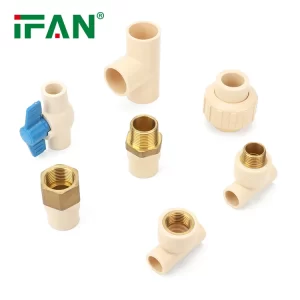
1. Cracks and Breakage
One of the most common issues with CPVC pipe fittings is cracking or breaking. CPVC pipes are relatively rigid, and while they are designed to withstand high temperatures, they can become brittle over time, especially if exposed to extreme cold or excessive pressure. Cracks typically form at points where the pipe experiences stress, such as near joints or corners.
How to Fix It:
- Inspection: Regularly check CPVC pipes for signs of cracks, especially in colder environments. If a crack is found, it should be addressed immediately to prevent further damage.
- Replacement: The most effective solution is to replace the cracked fitting. Cut out the damaged section of the pipe and install a new CPVC fitting using solvent cement to create a secure bond.
- Preventive Measures: To reduce the risk of cracking, avoid installing CPVC pipes in areas where they are likely to be exposed to freezing temperatures or high-pressure water systems. Insulating pipes in colder climates can also help prevent cracking.
2. Leaking Joints
Leaks at CPVC pipe fittings are another common problem, often caused by improper installation. If the solvent cement is not applied correctly or the joint is not aligned properly, water can seep through, leading to leaks.
How to Fix It:
- Proper Installation: Ensure that the CPVC pipe and fitting are properly aligned before applying the solvent cement. Use a clean rag to wipe the pipe and fitting to remove any dirt or moisture before applying the cement.
- Reapply Solvent Cement: If a leak is discovered, carefully cut away the damaged fitting and clean the exposed pipe. Reapply a generous amount of solvent cement to both the pipe and fitting before reattaching them.
- Double-Check Cure Time: Allow sufficient curing time for the cement before turning the water back on. Follow the manufacturer’s guidelines for drying and curing times to ensure the joint forms a proper seal.
3. Fitting Separation or Dislodging
In some cases, CPVC pipe fittings may separate from the pipe due to improper fitting installation or an inadequate bond formed by the solvent cement. This issue can lead to water leaks and, in severe cases, a complete failure of the system.
How to Fix It:
- Reinstall the Fitting: If a fitting has become dislodged, remove the damaged section of pipe and the fitting. Clean the surfaces thoroughly and apply fresh solvent cement. When reinstalling, ensure that the fitting is properly pressed onto the pipe and left to cure for the recommended time.
- Check Fitting Size: Ensure that the correct size fitting is used for the pipe. Using the wrong size fitting can result in an improper seal, leading to separation.
4. Blockages and Clogs
Blockages in CPVC pipe fittings are often caused by debris, grease, or mineral buildup inside the pipe. While CPVC is resistant to corrosion, it can still accumulate deposits over time, especially in areas with hard water.
How to Fix It:
- Clear the Blockage: For minor blockages, use a plumbing snake or a pressurized water jet to clear the debris. If the blockage is near a fitting, try loosening the connection and gently pulling the pipe apart to clear the obstruction.
- Use a Cleaning Solution: In areas with mineral buildup, use a descaling solution designed for CPVC pipes to dissolve the buildup. Be sure to follow the manufacturer’s instructions for safe and effective cleaning.
- Preventive Maintenance: Installing a filter or water softener can help reduce the accumulation of minerals and other debris inside the pipes, preventing future blockages.
5. Poor Adhesion and Joint Failure
In some cases, CPVC fittings may fail due to poor adhesion between the pipe and the fitting. This is often the result of using incorrect solvent cement, inadequate cleaning, or not properly following the installation instructions.
How to Fix It:
- Ensure Correct Cement Usage: Always use the appropriate solvent cement designed specifically for CPVC piping. Using the wrong cement can result in weak bonds and joint failure.
- Proper Preparation: Clean both the pipe and the fitting thoroughly before applying cement. Dirt, oil, or moisture can interfere with the bonding process.
- Reinstall Fittings Correctly: If a joint has failed, remove the fitting and the section of pipe that is causing the issue. Clean both surfaces and reapply the solvent cement, ensuring that the pipe and fitting are properly aligned and fully pressed together.
6. Expansion and Contraction
CPVC pipes expand and contract with temperature fluctuations. Over time, this can cause fittings to loosen or experience stress. In particular, changes in temperature can cause CPVC fittings to pull away from the pipe, leading to leaks.
How to Fix It:
- Install Expansion Loops: In systems where temperature changes are significant, consider installing expansion loops or offsets to absorb the movement of the pipes.
- Use Supports: Ensure that the pipes are properly supported and secured at regular intervals to prevent unnecessary movement and stress on the fittings.
- Allow for Movement: When installing CPVC pipe, leave some room for expansion and contraction, especially in areas with high temperature changes.
Conclusion
While CPVC pipe fittings offer many advantages, including ease of installation and resistance to corrosion, they are not immune to problems. Issues such as cracks, leaks, fitting separation, blockages, and joint failure can occur over time, often due to improper installation or external factors like temperature fluctuations. By understanding these common problems and knowing how to fix them, plumbers and homeowners can maintain a reliable and long-lasting plumbing system. Regular inspection, proper installation, and preventive measures are key to extending the life of your CPVC plumbing system.
Frequently Asked Questions (FAQs)
1. Can CPVC pipe fittings be repaired if they crack or break?
Yes, cracked or broken CPVC fittings can be replaced by cutting out the damaged section and installing a new fitting. Ensure to use solvent cement for a secure bond.
2. How can I prevent CPVC pipe fittings from leaking?
Leaks are often caused by improper installation. Make sure to align the fitting correctly, use the proper solvent cement, and allow the recommended curing time before using the system.
3. What should I do if I find a blockage in my CPVC pipes?
For blockages, try using a plumbing snake or a water jet to clear the debris. For mineral buildup, consider using a descaling solution specifically designed for CPVC pipes.
4. Are CPVC pipe fittings prone to freezing in cold temperatures?
CPVC pipes can become brittle in freezing temperatures, which may lead to cracks. It’s important to insulate CPVC pipes in areas where they may be exposed to cold conditions.
5. How do I prevent CPVC pipe fittings from loosening over time?
To prevent loosening, ensure that the fittings are installed with the correct solvent cement and that the pipes are properly supported to prevent unnecessary movement.
Connect
IFAN factory started in 1993. And IFAN has workshop 120000 square meter with 610 staff. IFAN can design and produce all plumbing pipe and fitting include PPR,PVC,CPVC PPSU HDPE PEXA PEXB PERT pipe and fitting ,brass fitting, brass ball valve ,heating system , gas system , sanitary faucets and hose, In the past 30 Years, IFAN has never forgotten his mission-To protect health and safety. And IFAN factory use best materials to produce high quality pipe and fittings with automatic production line and high tech quality control machines. The most important,IFAN can guarantee that all pipes and fittings manufactured by IFAN are qualified. More information pls feel free contact us Whatsapp.
Related products

- CPVC ASTM2846
CPVC FITTINGS
- CPVC ASTM2846
IFAN CPVC Fittings
- CPVC ASTM2846
IFAN CPVC Fittings