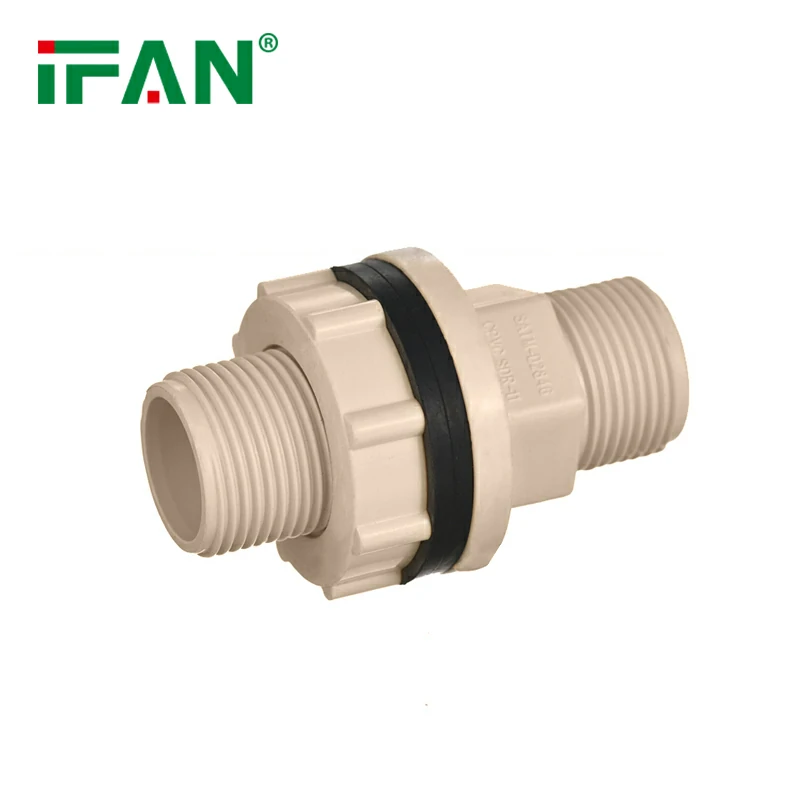
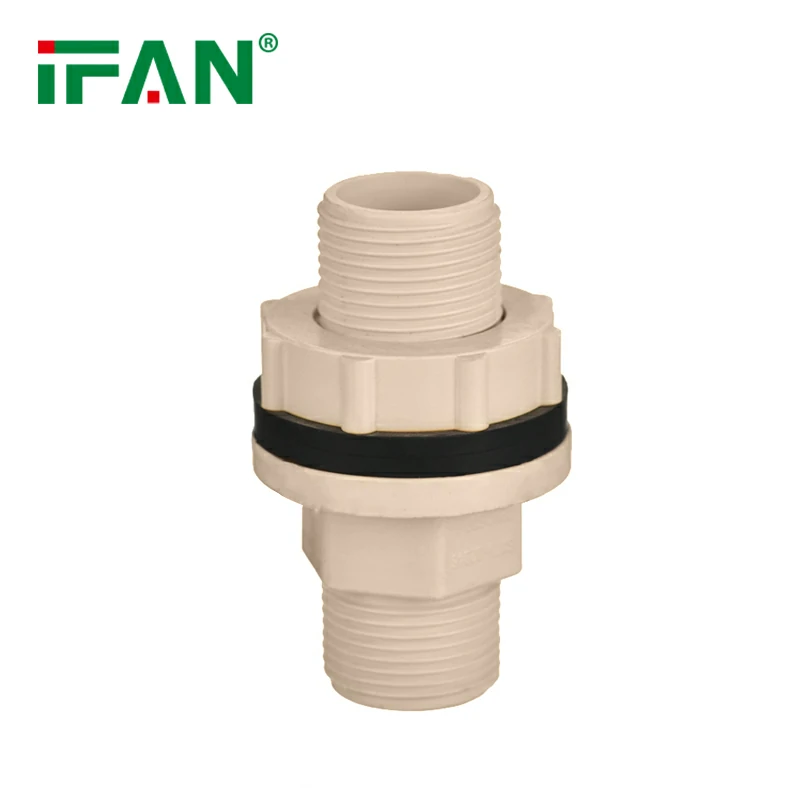
PVC Tank Connections: Reliable Solutions for Secure Water and Chemical Storage
Introduction
In water storage and chemical handling applications, PVC tank connections play a critical role in ensuring safe and leak-free operation. Whether in residential rainwater collection systems or industrial chemical storage, these fittings provide a corrosion-resistant, lightweight, and cost-effective solution. This article explores the types, benefits, and best practices for using PVC tank connections.
Types of PVC Tank Connections
Bulkhead Fittings
Create a watertight seal through the wall of a tank.
Allow secure pipe or hose connections for filling or draining.
Threaded Tank Connectors
Include internal or external threads for direct pipe connections.
Simplify the installation of ball valves, elbows, or unions.
Flanged Connections
Provide a larger sealing surface for high-pressure applications.
Suitable for larger-diameter pipes or industrial systems.
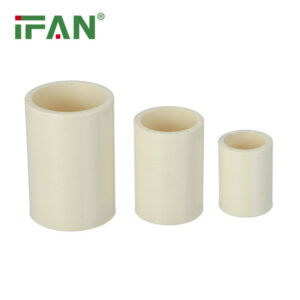
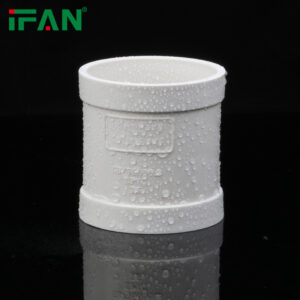
Slip or Socket Connections
Use solvent cement to create a permanent bond with pipes.
Common in systems where disassembly is not required.
Advantages of PVC Tank Connections
Corrosion Resistance: PVC resists damage from water, salt, and many chemicals, making it ideal for harsh environments.
Lightweight and Strong: Easy to handle and install, reducing labor time and costs.
Cost-Effective: Affordable compared to metal alternatives without compromising performance.
Versatility: Compatible with a range of pipe materials including PVC, CPVC, and polyethylene.
Watertight Sealing: High-quality gaskets and seal designs prevent leaks and contamination.
Applications
Water Storage Tanks: Used in rainwater harvesting, irrigation systems, and residential water storage to manage inflow and outflow.
Chemical Tanks: Ideal for industrial tanks storing acids, alkalis, or other corrosive substances.
Agricultural Systems: Control water flow in large irrigation tanks or fertilizer storage systems.
Aquaculture and Fish Farms: Maintain water quality and circulation with secure tank connections.
Best Practices for Installation
Select the Right Type: Choose a connection that suits your tank material and application (bulkhead, threaded, or slip).
Use Proper Sealants: For threaded connections, apply PTFE tape or appropriate sealant to prevent leaks.
Tighten Securely, Not Excessively: Over-tightening can crack PVC components or distort gaskets.
Check for Compatibility: Ensure the fittings match the size and material of the pipes and tank.
Regular Maintenance: Inspect for leaks, wear, or damage, especially in chemical storage applications.
Conclusion
PVC tank connections offer a reliable, corrosion-resistant solution for connecting tanks to piping systems in residential, agricultural, and industrial settings. By selecting the appropriate type of connection, ensuring proper installation, and conducting regular maintenance, you can maximize the efficiency and safety of your tank systems.
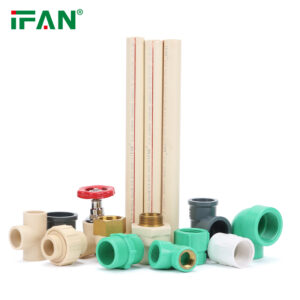
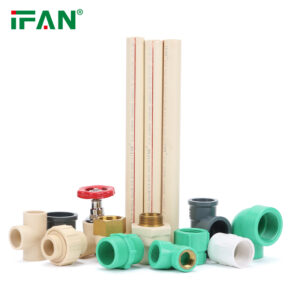
IFAN factory started in 1993. And IFAN has workshop 120000 square meter with 610 staff. IFAN can design and produce all plumbing pipe and fitting include PPR,PVC,CPVC PPSU HDPE PEXA PEXB PERT pipe and fitting ,brass fitting, brass ball valve ,heating system , gas system , sanitary faucets and hose, In the past 30 Years, IFAN has never forgotten his mission-To protect health and safety. And IFAN factory use best materials to produce high quality pipe and fittings with automatic production line and high tech quality control machines. The most important,IFAN can guarantee that all pipes and fittings manufactured by IFAN are qualified. More information pls feel free contact us Whatsapp.
Related products
 CPVC ASTM2846
CPVC Socket Fittings
- CPVC SCH80
PVC Drain Water Fitting Socket